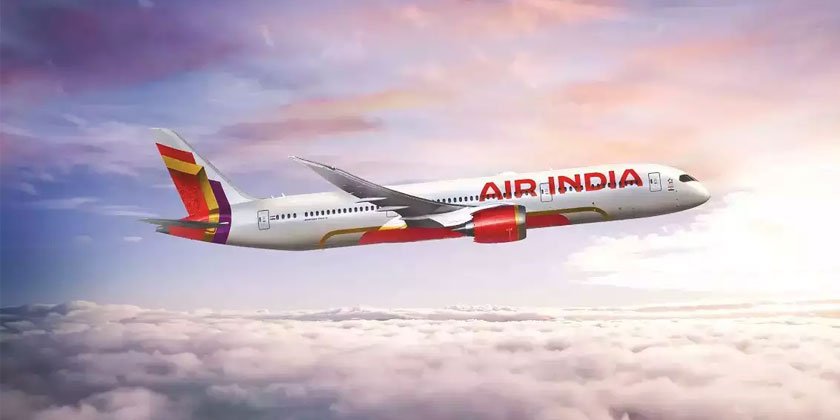
Air India will maintain its multi-billion-dollar fleet transformation by adding over 100 aircraft through 2027–2028. Despite operational cost inflation and global airspace bottlenecks, the Tata Group-owned carrier is advancing its $400 million cabin retrofit program and widebody deliveries to cement its position as a global aviation competitor.
NEW DELHI — Air India confirmed it will stay on expansion course despite challenges, pushing ahead with plans to induct more than 100 new aircraft across the group through 2027 and 2028 while modernizing its active widebody fleet. The decision underscores the airline’s resolve to execute its historic operational overhaul under Tata Group ownership, even as high jet fuel prices, international route disruptions, and lingering global supply chain bottlenecks weigh heavily on operating margins across the aviation sector.
Multi-Billion Fleet Overhaul Advances Amid Global Headwinds
According to executive updates delivered during internal briefings, Air India’s aggressive fleet expansion strategy remains the centerpiece of its long-term financial recovery plan. The carrier has taken delivery of three line-fit Boeing 787-9 Dreamliners and expects two flagship Airbus A350-1000 jetliners to join the fleet later.
The new deliveries form part of the mega-orders placed with Airbus and Boeing aimed at modernizing India's aviation footprint. By maintaining delivery schedules, Air India intends to expand its long-haul international network, directly competing with Gulf and European hub carriers on lucrative routes to North America and Europe.
Parallel to new deliveries, Air India's $400 million legacy fleet retrofit program has hit major milestones. The structural refit of its narrowbody Airbus A320neo fleet is complete. The focus has now shifted to its widebody fleet, where three retrofitted Boeing 787-8 aircraft have rejoined active service, four more are scheduled to return by the end of the year, and an additional 16 aircraft will undergo complete interior overhauls in 2027.
Managing Operational Costs and Route Disruptions
The commitment to expand comes against a backdrop of complex operational pressure. European airspace restrictions and Middle Eastern geopolitical tensions have forced long-haul carriers to fly extended flight paths, driving up fuel burn and crew costs. Concurrently, supply chain delays for engine components continue to affect aircraft utilization industry-wide.
Despite these cost pressures, Air India leadership informed staff that fleet scale remains essential for profitability. Newer aircraft offer 15% to 25% better fuel efficiency compared to legacy jets, helping buffer the airline against volatile jet fuel markets while providing standardized three- and four-class passenger cabins.
Official Sources Section
Information regarding fleet deliveries and retrofit timelines is cited according to official announcements and executive statements issued by Air India, financial disclosures from the Ministry of Civil Aviation, and operational filings tracked by international aviation authorities.
Quote Section
According to official statements made to employees during recent townhall updates:
"The legacy fleet retrofit program is progressing on schedule, with narrowbody upgrades completed and widebody refurbishments advancing to deliver a consistent, world-class product across our global route network."
Why It Matters
For international passengers and business travelers, Air India’s sustained expansion ensures greater connectivity, modern cabin interiors, and upgraded in-flight entertainment across long-haul routes. For investors and aviation market analysts, the airline's adherence to its multi-year fleet plan demonstrates institutional backing from Tata Group and Singapore Airlines, signaling confidence in India's booming air travel market despite global macroeconomic headwinds.
Key Facts at a Glance
100+ Aircraft Scheduled: Air India plans to induct more than 100 new aircraft across group operations through 2027 and 2028.
$400M Cabin Upgrade: Legacy narrowbody refits are complete; widebody refurbishments are actively underway.
787-8 Fleet Progress: Three retrofitted Boeing 787-8s have rejoined service, four more arrive soon, and 16 will be refitted.
New Widebody Deliveries: Inducted three new Boeing 787-9s with two Airbus A350-1000s joining the fleet.
Frequently Asked Questions
Q1: How will Air India's fleet expansion affect international flight schedules?
The addition of long-range Airbus A350-1000 and Boeing 787-9 aircraft allows Air India to add non-stop flights to North America, Europe, and Australia while improving flight reliability.
Q2: What is the status of Air India's older aircraft cabins?
Air India is investing $400 million to retrofit legacy aircraft. Legacy narrowbody upgrades are finished, and widebody Boeing 787-8 overhauls are scheduled for completion across the fleet by 2027.
Q3: Is Air India affected by global aviation supply chain delays?
Yes. Like major global airlines, Air India faces engine maintenance delays and component shortages, but it is mitigating these issues through fleet retrofits and scheduled new aircraft deliveries.
Source: Official press releases from Air India Press Room, regulatory documentation from the Ministry of Civil Aviation, and fleet delivery trackers from Airbus and Boeing.