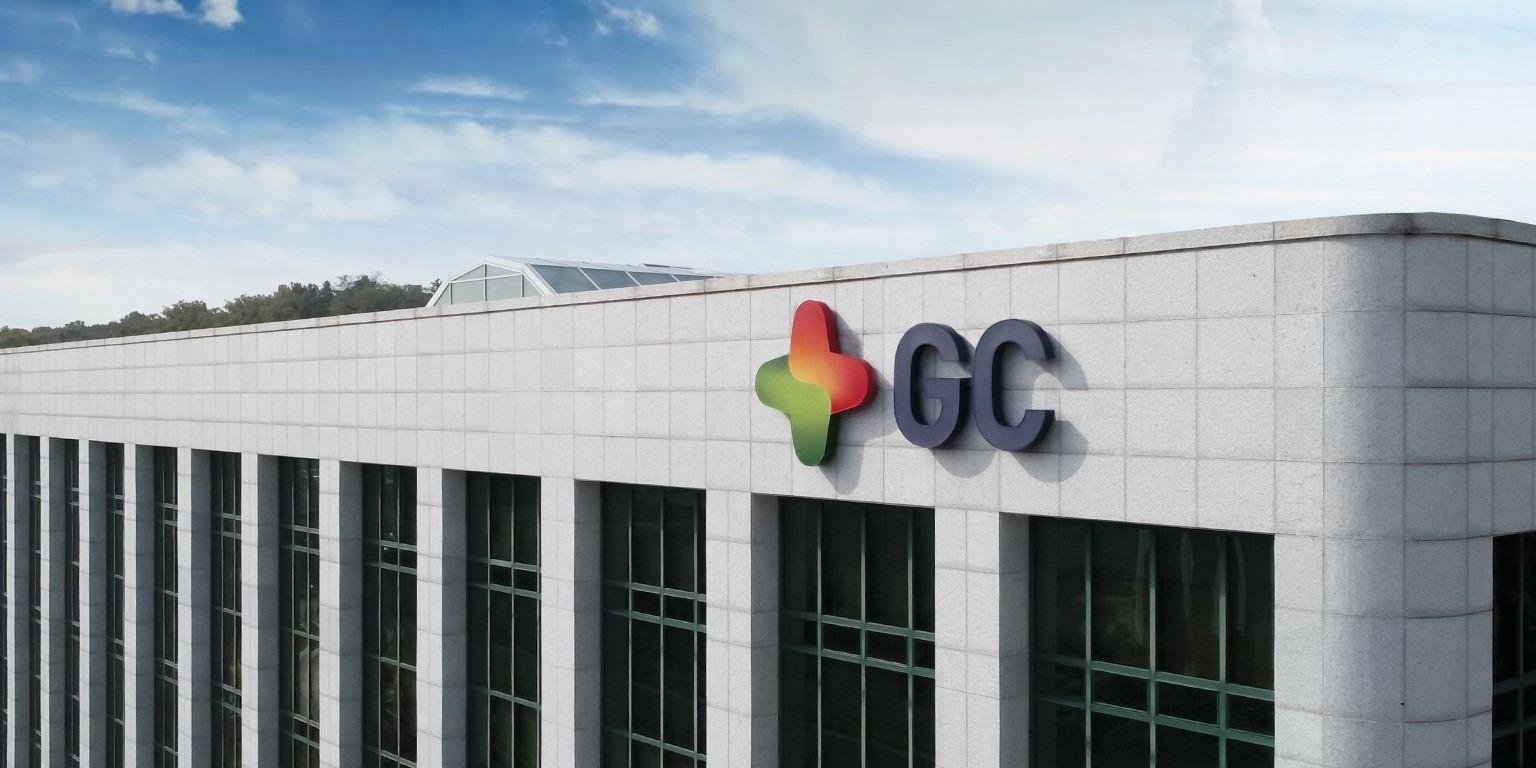
GC Biopharma has secured key regulatory approvals for its Hunter syndrome treatments in Asia. India's CDSCO approved Hunterase IV, while Taiwan's TFDA cleared both Hunterase IV and Hunterase ICV. These milestones significantly expand access to vital enzyme replacement therapies for rare disease patients across both markets.
GC Biopharma secures marketing authorization in India and Taiwan for its Hunter syndrome treatment, expanding access to rare disease therapies across Asian markets.
Expanding Access to Rare Disease Therapies in Asia
GC Biopharma’s recent regulatory milestones mark a major expansion of its rare-disease portfolio across Asian markets. Hunter syndrome, medically known as Mucopolysaccharidosis II (MPS II), is a rare congenital and progressive disorder caused by a deficiency of lysosomal enzymes required to break down complex sugar molecules. The condition predominantly affects male children, occurring in approximately 1 in every 100,000 to 150,000 live male births. Affected individuals often suffer from severe skeletal abnormalities, cardiac dysfunction, and progressive cognitive decline.
According to official company releases, India’s approval of Hunterase IV addresses a critical market with high unmet medical needs, where a low percentage of patients have historically had access to specialized enzyme replacement therapy. Meanwhile, Taiwan's clearance of both Hunterase IV and Hunterase ICV leverages the region's established early-screening protocols and patient-support frameworks. Notably, Hunterase ICV (Irifaze ICV) is administered directly into the cerebral ventricles via an implanted reservoir, bypassing the blood-brain barrier to target central nervous system symptoms and cognitive degeneration that conventional intravenous treatments cannot effectively reach.
Strategic Significance for Global Commercialization
With these latest regulatory permissions, Hunterase IV has achieved marketing authorization in 14 countries worldwide, while the specialized ICV formulation has secured approval in four nations. Building on established presences in countries like Japan, China, and Malaysia, GC Biopharma is positioning itself as a primary global provider of specialized treatments for lysosomal storage disorders.
Healthcare analysts note that direct intracerebroventricular administration addresses a major historical bottleneck in treating neuronopathic MPS II patients, roughly 70 percent of whom experience severe central nervous system impairment. By securing approvals in high-potential regions like India and Taiwan, the company strengthens its international commercial footprint.
Quote Section
"According to officials, these approvals are significant as they address the unmet medical needs of local Asian patients who previously lacked sufficient treatment options, reinforcing the company's commitment to improving the quality of life for rare disease patients worldwide."
Why It Matters
For patients and families dealing with Hunter syndrome in India and Taiwan, the approvals eliminate geographic and logistical hurdles, offering localized access to life-altering enzyme replacement therapies. For clinicians, the availability of both intravenous and targeted intracerebroventricular (ICV) options provides versatile therapeutic pathways to manage both systemic and central nervous system manifestations of the disease.
Key Facts at a Glance
Regulatory Milestone: GC Biopharma secured marketing authorization for Hunterase in India and Taiwan.
India Approval: CDSCO cleared Hunterase IV for intravenous enzyme replacement.
Taiwan Approval: TFDA approved both Hunterase IV and Hunterase ICV (Irifaze ICV).
Target Condition: Mucopolysaccharidosis II (Hunter syndrome), a rare congenital enzyme-deficiency disorder.
Global Reach: Brings total approvals for Hunterase IV to 14 countries and Hunterase ICV to 4 countries.
FAQ Section
What is Hunterase and what condition does it treat?
Hunterase is an enzyme replacement therapy developed by GC Biopharma to treat Hunter syndrome (Mucopolysaccharidosis II), a rare genetic disorder caused by a deficiency in lysosomal enzymes.
What is the difference between Hunterase IV and Hunterase ICV?
Hunterase IV is administered intravenously to treat systemic symptoms throughout the body, whereas Hunterase ICV (Irifaze ICV) is delivered directly into the brain's ventricles to address central nervous system and cognitive decline symptoms.
Which regulatory bodies approved the treatments?
Approval was granted by India's Central Drugs Standard Control Organisation (CDSCO) and the Taiwan Food and Drug Administration (TFDA).
Why are the approvals in India and Taiwan significant for GC Biopharma?
They expand the company's footprint in high-potential Asian markets—India offering vast growth due to low historical treatment rates, and Taiwan providing high accessibility through early-screening and support systems.
Source: GC Biopharma Corporate PR, CDSCO India, TFDA Taiwan