Nepal is witnessing one of its most intense youth-led movements in recent history, as thousands of protesters take to the streets in response to a sweeping government ban on major social media platforms. While the ban served as the immediate trigger, the demonstrations reflect deeper frustrations...
Nepal is witnessing one of its most intense youth-led movements in recent history, as thousands of protesters take to the streets in response to a sweeping government ban on major social media platforms. While the ban served as the immediate trigger, the demonstrations reflect deeper frustrations over corruption, authoritarian governance, and lack of accountability. The protests, dubbed the Gen Z Revolution, have escalated into violent clashes, prompting curfews, military deployment, and global attention.
Here’s a detailed breakdown of the events, underlying causes, and the broader implications for Nepal’s political and digital landscape.
Key Highlights From The Crisis
- Nepal’s government blocked access to 26 major social media platforms starting September 5, 2025
- Platforms affected include Facebook, Instagram, YouTube, X, WhatsApp, Reddit, and Snapchat
- The ban was enforced after these platforms failed to register locally and appoint compliance officers
- Protests erupted in Kathmandu and other cities, with over 16 reported deaths and more than 100 injuries
- The government imposed curfews and authorized shoot-at-sight orders near Parliament and key government buildings
Why The Social Media Ban Was Imposed
The Ministry of Communication and Information Technology directed internet service providers to restrict access to unregistered platforms, citing a Supreme Court order from 2024. The government argued that registration was necessary to regulate digital revenues, combat misinformation, and ensure national security. However, critics say the move is a thinly veiled attempt to suppress dissent and control online narratives.
- Platforms were given a seven-day deadline to register and appoint local grievance officers
- TikTok and Viber remain accessible, having complied with the registration requirements
- Meta, Alphabet, and other tech giants have not publicly responded to the directive
- The Supreme Court upheld the registration requirement but did not mandate a full ban
Protests Escalate Beyond Digital Rights
While the social media ban ignited the protests, demonstrators quickly broadened their demands to include systemic corruption, lack of transparency, and authoritarian governance. Young Nepalis, many of whom rely on social media for education, activism, and employment, view the ban as symbolic of deeper institutional failures.
- Protesters chanted slogans against corruption and carried placards demanding accountability
- Viral TikTok videos highlighted disparities between politicians’ lifestyles and public hardship
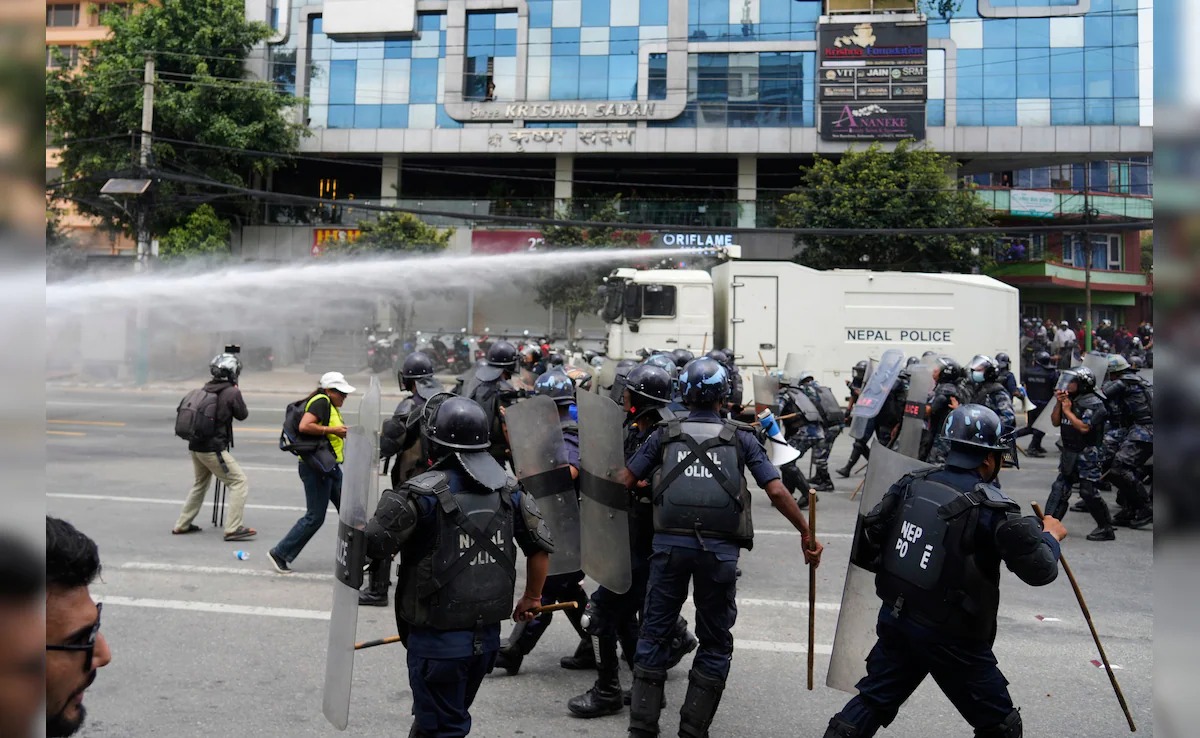
- Students and young professionals led marches from Maitighar Mandala to Parliament, defying curfews and police barricades
- Demonstrators cited past scandals, including the Airbus procurement deal, as examples of unchecked corruption
Government Response And Security Measures
The government’s response has been forceful, with riot police and military units deployed across Kathmandu. Curfews have been imposed in high-security zones, including the Prime Minister’s residence and Parliament complex. Tear gas, water cannons, and live ammunition were used to disperse crowds, resulting in multiple fatalities and injuries.
- Shoot-at-sight orders were issued after protesters breached Parliament gates
- Journalists covering the protests were among those injured, raising concerns about press freedom
- The government maintains that the ban is temporary and will be lifted once platforms comply with regulations
- Prime Minister KP Sharma Oli defended the measures, citing national sovereignty and security concerns
Public Sentiment And Global Reactions
The protests have drawn comparisons to youth-led movements in Sri Lanka and Bangladesh, where digital activism played a key role in political change. Civil society groups, journalists, and international observers have criticized Nepal’s actions as regressive and harmful to democratic expression.
- The Committee to Protect Journalists condemned the ban as a threat to media freedom
- The Federation of Nepali Journalists called the move unconstitutional and undemocratic
- Protesters vow to continue mobilizing through alternative platforms and offline networks
Conclusion: A Digital Flashpoint With Deeper Roots
Nepal’s social media ban has ignited a generational revolt that goes far beyond digital access. For Gen Z protesters, the issue is not just about apps—it’s about voice, agency, and the future of governance. As the government grapples with mounting pressure, the outcome of this movement may reshape Nepal’s political and civic landscape for years to come.
Sources: MSN India, Al Jazeera, India Today, The Independent