




Loading market data...
ADVERTISEMENT

Latest Top News

Global Fertilizer Prices Spike, Threatening Food Supply Chains
Global fertilizer prices have surged sharply due to escalating Gulf tensions and disruptions in the Strait of Hormuz. With urea prices up 35% and overall fertilizer costs rising over 6%, analysts warn of cascading effects on food supply chains, crop yields, and consumer prices worldwide.
Stay Ahead – Explore Now! TCS to Expand Oracle AI Data Labs Across India After Kolkata Launch
ADVERTISEMENT

Latest Updates

Mercedes-Benz India Steers Past Headwinds to Fuel...
15 Jun 2026, 11:45 PM
Sanon’s Andheri Asset Action: Family Bags ₹4.6 Cr...
15 Jun 2026, 11:42 PM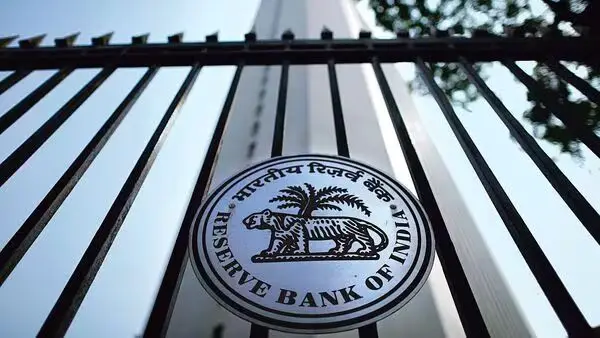
Banking on Trust: RBI Bans Coercive Bundling and A...
15 Jun 2026, 11:39 PM
AI Over the Hill: Gemini Picks Winner in Summer Tr...
15 Jun 2026, 11:36 PM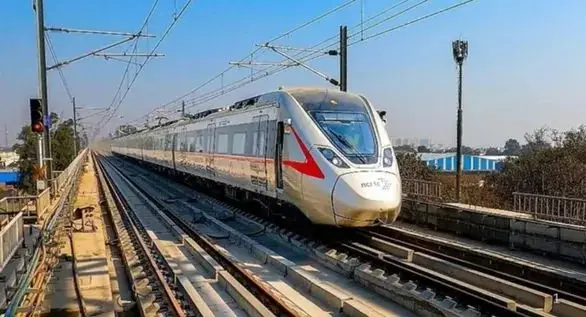
Track to Uttarakhand: Namo Bharat Expansion Nears...
15 Jun 2026, 10:18 PMADVERTISEMENT

Top Stories
Mercedes-Benz India Steers Past Headwinds to Fuel...
15 Jun 2026, 11:45 PM
Sanon’s Andheri Asset Action: Family Bags ₹4.6 Cr...
15 Jun 2026, 11:42 PM
Banking on Trust: RBI Bans Coercive Bundling and A...
15 Jun 2026, 11:39 PM