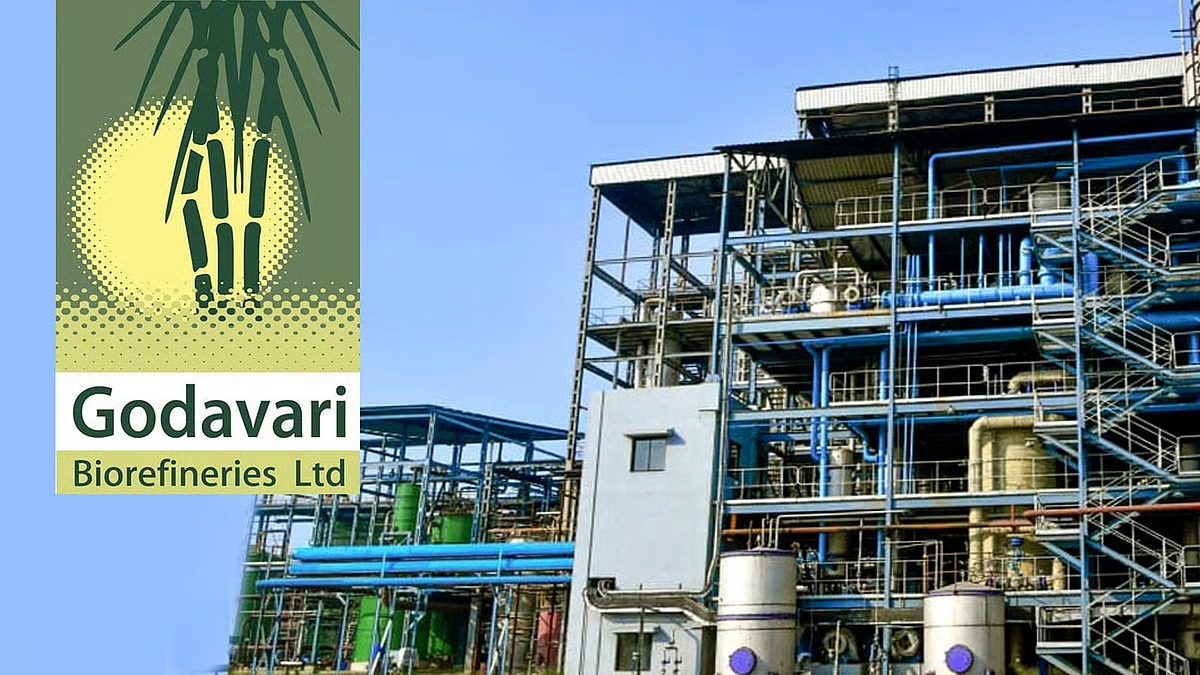
Godavari Biorefineries Limited has been granted Japanese Patent No. 7824889 for its breakthrough host-targeting antiviral compound class, MSP22. Managed by its biotech arm, Sathgen Therapeutics, the patented platform inhibits intracellular V-ATPase to disrupt viral replication, further solidifying the company's global intellectual property footprint.
MUMBAI — Integrated bio-based chemicals and renewable energy producer Godavari Biorefineries Limited (GBL) has been officially granted a vital therapeutic patent by the Japan Patent Office (JPO). Formally announced through statutory equity disclosures on Tuesday, June 16, 2026, Japanese Patent No. 7824889 covers the specialized deployment of its novel lead compound platform, MSP22, and its associated molecular derivatives. Developed by the group’s clinical-stage oncology and biotechnology arm, Sathgen Therapeutics, the newly protected molecule class represents a highly scalable breakthrough in translational life sciences, demonstrating deep medicinal efficacy by selectively inhibiting host-cell biological pathways.
Technical Mechanics of the Patented MSP22 Compound
According to regulatory compliance filings submitted by Company Secretary Manoj Jain under Regulation 30 of the SEBI Listing Obligations to both the National Stock Exchange of India (NSE) and BSE Limited, the Japanese patent application was registered following rigorous verification of its mechanism of action. The invention, titled "Use of Compounds for Treating Viral Infections," focuses on the targeted inhibition of Vacuolar ATPase (V-ATPase) activity inside mammalian host cells.
The scientific profile of this molecular infrastructure highlights several critical therapeutic parameters:
Host-Targeting Protection: Unlike conventional medicines that attempt to mutate or directly attack specific hyper-variable viral strains, GBL's compounds isolate the internal cellular pathways that multiple families of pathogens exploit to cross membrane borders.
Inhibition of V-ATPase: By regulating this specific intracellular enzyme complex, the drug effectively blocks the acidifying environment required for early-stage endosomal fusion, viral entry, and cellular replication.
Inventor Recognition: The formal patent certificate officially credits a collaborative in-house development team consisting of Dr. Maithili Athavale, Dr. Sandip Gavade, Dr. Prashant Kharkar, and Dr. Sangeeta Srivastava.
By securing absolute commercial protection across the Japanese market, Godavari Biorefineries adds a lucrative secondary medical indication to its expanding life sciences portfolio. This development builds smoothly upon its prior preclinical data tracking successes against aggressive, uncontrolled cell proliferation in oncology models.
The Strategic Shift: From Green Chemistry to Global Life Sciences
The intellectual property win highlights a larger structural shift taking place within the Mumbai-based conglomerate. Historically known as one of India's premier foundational producers of fuel-grade ethanol and sugarcane-derived bio-based chemicals, GBL has systematically repositioned its core capital to scale high-margin specialty chemicals and downstream clinical-stage small molecules.
The broader operational footprint of its pipeline includes:
| Regulatory Market | Intellectual Property Status | Primary Therapeutic Area | Target Indication Profile |
| Japan (JPO) | Patent Granted (#7824889) | Host-Targeting Antivirals | V-ATPase Inhibition & Blockades |
| United States (USPTO) | Patent Granted | Small-Molecule Oncology | Triple-Negative Breast Cancer (TNBC) |
| China (CNIPA) | Patent Granted | Naphthalenedione Class | Prostate & Breast Stem Cells |
To accelerate the global commercial monetization of these newly registered assets, GBL recently executed an international restructuring program by setting up a wholly owned step-down subsidiary, Sathgen Therapeutics LLC, based in Princeton, New Jersey. This dedicated US-based entity functions as an international licensing office, designed specifically to negotiate lucrative out-licensing partnerships and co-development ventures with global pharmaceutical giants.
Impact on Shareholders and Market Dynamics
Financially, GBL is building its high-value life sciences portfolio from a position of stable operational performance. The enterprise reported a consolidated total income of ₹461.90 crore for the third quarter of the fiscal year 2026, marking a positive year-on-year growth curve. More importantly, the strategic expansion of its bio-based specialty chemicals division lifted its core EBITDA margins by 97 basis points to reach 9.80%, indicating stronger overall pricing power.
For public equity investors tracking the stock on the BSE and NSE, the addition of a major East Asian patent effectively de-risks the long-term valuation of the company's research division, providing transparent proof of global scientific execution without relying on capital-intensive manufacturing expansions.
Official Sources Section
The underlying patent numbers, corporate registration filings, molecular actions, and financial data referenced across this report are extracted from official regulatory compliance disclosures submitted to the Securities and Exchange Board of India (SEBI) and verified ledger entries hosted on the public portal of the Japan Patent Office (JPO).
Quote Section
"According to corporate statements released by executive directors, protecting this unique therapeutic use in a sophisticated market like Japan marks a critical step in verifying the clinical viability of our pipeline, laying a foundation to eventually address pressing global public health challenges."
Why It Matters
When traditional agribusinesses successfully transform into clinical-stage biotechnology developers, it sets an important template for manufacturing diversification. Securing robust international patents protects long-term research and development investments, enabling domestic companies to claim a larger share of the high-value global pharmaceutical market.
Key Facts at a Glance
Patent Validation: Officially granted patent number 7824889 by the Japan Patent Office.
The Lead Compound: Protects the therapeutic deployment of lead molecule MSP22 and its derivatives.
Unique Mechanism: Operates via the selective inhibition of cellular V-ATPase to disrupt viral entry pathways.
Biotech Division: Research executed by Sathgen Therapeutics, GBL’s specialized clinical-stage oncology and antiviral arm.
Global Footprint: Complements active patent protections already held in the United States, Europe, and China.
FAQ Section
1. What is the core function of Godavari Biorefineries' newly patented compound?
The patented compound, developed through Sathgen Therapeutics, targets and inhibits V-ATPase activity inside host cells. This action effectively locks down the cellular mechanism that various viral families depend on to enter cells and replicate.
2. How does an antiviral compound differ from a traditional vaccine?
Traditional vaccines prime the human immune system to recognize specific, individual viral surfaces, which can often lose effectiveness if the virus undergoes sudden mutations. GBL’s host-targeting compound instead focuses on stabilizing the cell's internal pathways, offering a broader protective shield that remains steady across multiple viral strains regardless of individual mutations.
3. What role does the Princeton, New Jersey subsidiary play for the company?
The newly formed US subsidiary, Sathgen Therapeutics LLC, handles global out-licensing negotiations for GBL’s intellectual property, helping accelerate clinical trial speeds and positioning the firm closer to major international pharmaceutical developers.
Source: