The Union government introduced the Public Examinations (Prevention of Unfair Means) Amendment Bill, 2026, in the Lok Sabha on July 27, 2026. The bill proposes stricter punishments, including up to 10 years in prison and ₹10 crore in fines, alongside fast-track trials, to combat organized paper leaks and examination malpractice in India.
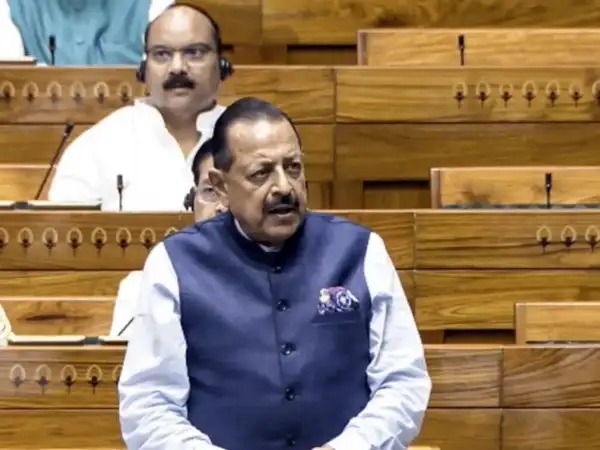
NEW DELHI — The Union government introduced the Public Examinations (Prevention of Unfair Means) Amendment Bill, 2026, in the Lok Sabha on Monday, July 27, 2026, marking a significant move to overhaul the legal framework governing public examinations in India. The bill, introduced by Minister of State for Personnel, Public Grievances and Pensions Jitendra Singh, seeks to amend the existing 2024 Act by introducing stringent deterrents against paper leaks and other forms of examination fraud.
The introduction of the legislation occurred amidst spirited protests from Opposition parties, who disrupted parliamentary proceedings to demand accountability regarding a recent police crackdown on students. The student-led agitation, which has persisted for over a month, was prompted by widespread allegations of irregularities, particularly concerning the National Eligibility cum Entrance Test (NEET-UG).
Stricter Penalties and Judicial Reform
The Public Examinations (Prevention of Unfair Means) Amendment Bill, 2026, proposes a substantial increase in both custodial and financial punishments for individuals and syndicates involved in examination malpractice.
Key proposed changes include:
Increased Imprisonment: For general examination fraud, the minimum jail term is set to rise from three years to five years, with a maximum of 10 years.
Enhanced Financial Fines: The maximum fine for individuals increases from ₹10 lakh to ₹50 lakh.
Targeting Organized Crime: For organized syndicates, service providers, or institutions involved in leaks, the minimum prison sentence will increase to seven years, while financial penalties may reach up to ₹10 crore.
Managerial Accountability: Senior management or directors of complicit service providers face a minimum of five years imprisonment and fines up to ₹5 crore.
Fast-Tracking Justice
A central pillar of the new bill is the establishment of Special Fast-Track Courts in every state and Union Territory to handle examination-related offences. According to the legislative draft, investigations by police, central agencies, or Special Task Forces must be concluded within two months. Furthermore, once a chargesheet is filed, these specialized courts are mandated to conduct day-to-day hearings and complete trials within three months.
The legislation also mandates the transfer of all currently pending paper leak cases—including those related to the 2024 and 2026 NEET-UG controversies—to these new fast-track tribunals, ensuring that past examination irregularities are addressed under the updated judicial mechanism.
Official Sources Section
The details of the bill, including the proposed penalties and procedural changes, were confirmed through official legislative business agendas and announcements made by the Ministry of Personnel, Public Grievances and Pensions. The introduction of the bill in the Lok Sabha on July 27, 2026, was recorded in official parliamentary proceedings.
Quote Section
"According to official government statements, the proposed amendments are essential to address recent incidents of question paper leakages and malpractices that have compromised the transparency and fairness of public examination systems in India."
Why It Matters
For millions of students across the country, the integrity of public examinations is the foundation of merit-based career progression. The systemic failures that have allowed for paper leaks, tampering with OMR sheets, and the creation of fake websites have undermined public confidence. By shifting the focus from individual examinees to organized crime networks, the government intends to dismantle the syndicates that profit from examination fraud, potentially restoring stability to national-level recruitment and entrance processes.
Key Facts at a Glance
Minimum Jail Term: Increased from 3 years to 5 years for standard offences.
Organized Crime Fines: Increased to a maximum of ₹10 crore for syndicates.
Investigation Deadline: Mandated completion of probes within 2 months of filing.
Trial Timeline: Fast-track trials required to conclude within 3 months of chargesheet filing.
Scope: Applies to all public examination authorities, including UPSC, SSC, RRB, NTA, and IBPS.
FAQ
What is the primary objective of the new Anti-Paper Leak Bill?
The bill aims to curb organized examination fraud by imposing harsher penalties, including longer imprisonment and significant fines, while streamlining the judicial process through fast-track courts.
Does this bill punish individual students?
The legislation is primarily focused on dismantling organized crime networks, syndicates, and complicit institutions, rather than targeting individual students involved in minor disciplinary issues.
How long will investigations take under the new law?
The bill mandates that investigations into reported paper leaks or unfair means must be completed within two months.
Are pending cases covered under the new legislation?
Yes, the bill includes provisions to transfer all pending cases related to examination malpractice to the newly designated Special Fast-Track Courts.
Which exams are covered by this law?
The Act applies to all major public examinations in India, including those conducted by the UPSC, SSC, NTA (such as NEET), RRBs, and the IBPS.
Source: The Hindu, The New Indian Express, Business Today, Financial Express