Urban Indians are increasingly turning to community libraries, running clubs, and cultural hubs as essential "third spaces" to combat rising urban loneliness and digital fatigue. Sociologists emphasize that these accessible environments outside home and work are vital for fostering genuine human connection and mental well-being.
Urban Indians are turning to community libraries, hobby clubs, and cultural hubs as vital third spaces to combat growing urban isolation.
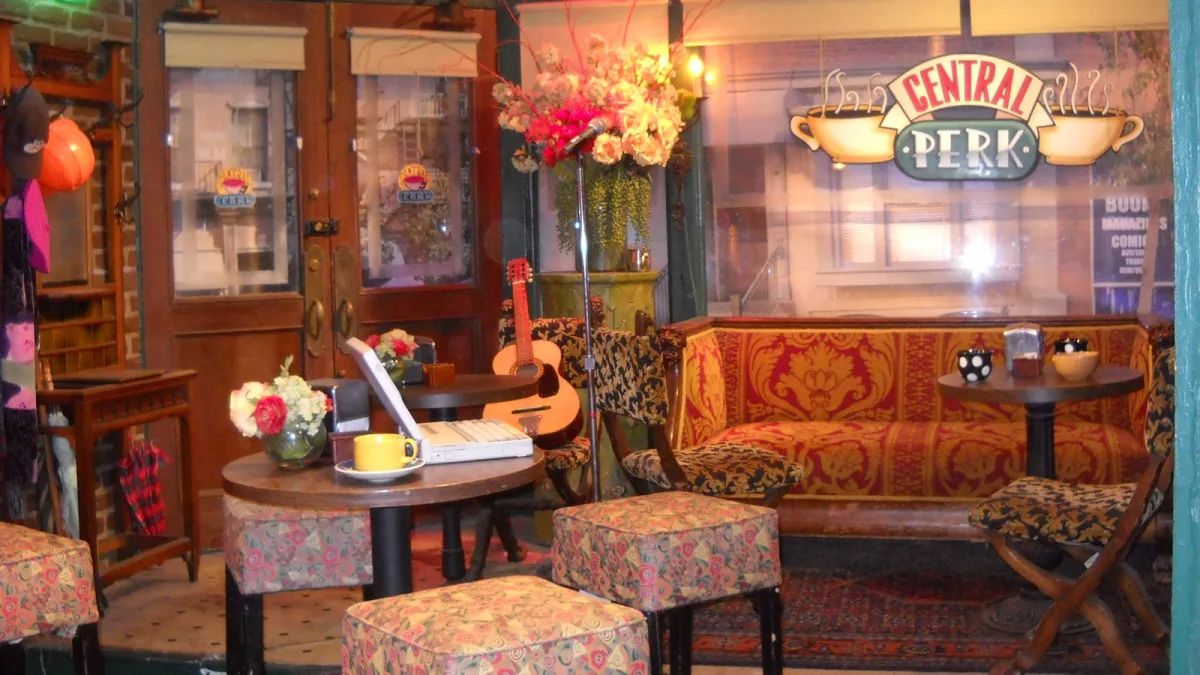
In modern Indian metropolitan centers, a quiet demographic shift is underway as urban professionals and students increasingly seek refuge in "third spaces"—social environments separate from the domestic home (the first space) and the corporate workplace (the second space). According to urban sociologists, public mental health researchers, and community organizers, these communal environments—ranging from independent reading rooms and board game cafes to running clubs and community gardens—are emerging as critical antidotes to the rising tide of loneliness and social isolation across Indian cities.
As rapid urbanization, long corporate commutes, and hyper-digital connectivity inadvertently foster feelings of disconnection, the demand for physical communal spaces where individuals can interact without commercial pressure has reached unprecedented levels. Urban planners and sociologists note that revitalizing accessible third spaces is no longer a luxury, but a public health necessity for India's working-age population.
The Architecture of Connection in Urban India
The concept of the third space, originally coined by sociologist Ray Oldenburg, describes anchor places of community life beyond home and work. In major Indian cities such as Bengaluru, Mumbai, Delhi, and Pune, this framework is manifesting in new, localized formats. Independent bookshops hosting poetry circles, community-run art collectives, and open-air running groups are drawing large crowds of young professionals seeking authentic interpersonal engagement.
According to psychological health researchers, extended screen time and remote work models have eroded traditional community structures. When individuals spend their waking hours navigating solitary digital interfaces or confined office desks, the absence of spontaneous social interaction triggers chronic psychological fatigue. Third spaces provide structured yet relaxed environments that facilitate organic conversations, mutual support, and a sense of shared belonging.
Economic and Societal Impact on Urban Citizens
For urban consumers, businesses, and municipal planners, the proliferation of third spaces carries significant practical implications. Real estate developers and independent entrepreneurs are recognizing that commercial hubs designed solely for transactional retail are giving way to experience-driven community spaces. Cafes doubling as co-working and book-sharing zones are reporting higher customer loyalty and extended dwell times.
However, sociologists caution that urban commercialization often threatens the accessibility of truly inclusive third spaces. Many modern venues require heavy monetary spending, pricing out students and lower-income workers. Experts advocate for municipal investments in public parks, accessible neighborhood libraries, and community centers to ensure that social infrastructure remains equitable and open to all citizens.
Why It Matters
For India's urban population, the erosion of traditional community living has intensified feelings of isolation and mental fatigue. Expanding accessible third spaces provides practical, community-driven environments that foster human connection, improve psychological well-being, and build stronger neighborhood resilience.
Key Facts at a Glance
Core Concept: Third spaces represent social environments distinct from home (first space) and work (second space).
Growing Trend: Rising popularity of community libraries, hobby clubs, running groups, and art collectives across Indian metros.
Primary Benefit: Combats urban isolation, reduces chronic digital fatigue, and fosters genuine human connection.
Accessibility Challenge: Balancing commercial venues with publicly funded, equitable community infrastructure.
Frequently Asked Questions
What is a 'third space' in the context of urban living?
A third space refers to social environments separate from home (the first space) and the workplace (the second space), such as community centers, cafes, libraries, and parks.
Why are third spaces gaining importance in Indian cities?
Rapid urbanization, long commutes, and heavy reliance on digital communication have contributed to rising loneliness, making physical third spaces essential for mental health and social bonding.
How do third spaces impact urban mental health?
By offering environments for organic interaction and shared hobbies, third spaces reduce feelings of isolation, alleviate digital fatigue, and build a sense of community belonging.
Source: Taylor & Francis Online, World Health Organization (WHO), The Hindu, Scroll.in