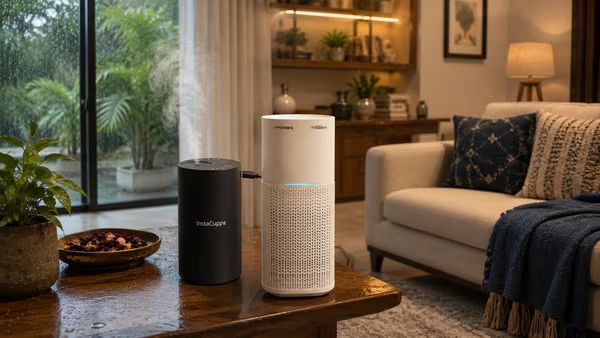
Indian households are increasingly deploying portable electric dehumidifiers, wardrobe moisture absorbers, and smart air purifiers to combat high monsoon humidity. These essential climate control gadgets protect living spaces from damp odors, mold growth, and moisture damage while safeguarding indoor air quality and family health.
Indian households deploy dehumidifiers and smart air purifiers to combat monsoon humidity, mold growth, and damp indoor smells.
As heavy monsoon downpours sweep across India, surging atmospheric humidity brings a host of domestic challenges, ranging from persistent damp odors to structural mold growth. According to indoor air quality experts and home appliance manufacturers, homeowners are increasingly investing in specialized climate control appliances to protect living spaces during the wet season.
With indoor relative humidity frequently exceeding 80% during peak monsoon months, unprotected furniture, leather goods, electronics, and wardrobes become vulnerable to moisture damage. Utilizing targeted household gadgets helps maintain optimal indoor humidity levels, safeguarding both residential property and family health.
Essential Appliances for Moisture Control
Managing high indoor humidity requires a combination of active extraction and air circulation. According to appliance industry specifications, portable electric dehumidifiers represent the single most effective tool for drawing excess moisture out of enclosed spaces. These units collect ambient water into internal reservoirs or continuous drainage hoses, preventing dampness from settling into walls and upholstery.
In addition to standalone dehumidifiers, smart air conditioners equipped with independent dry modes and anti-fungal filters help stabilize room moisture. Other vital gadgets gaining popularity across urban Indian households include rechargeable silica gel wardrobe absorbers, ultrasonic clothes dryers, UV-C shoe sanitizers, and high-efficiency particulate air (HEPA) purifiers that eliminate musty fungal spores circulating in stagnant air.
Impact on Health, Home Maintenance, and Consumers
For urban consumers and families, controlling indoor moisture is critical for preventing respiratory ailments, allergic reactions, and chronic asthma flare-ups triggered by mold and dust mites. High humidity also accelerates the corrosion of sensitive electronics and ruins wooden cabinetry.
Appliance retailers note a significant seasonal spike in the demand for moisture-fighting gadgets. Investing in energy-efficient dehumidifiers and smart humidity monitors ensures that households maintain a comfortable, dry indoor climate without incurring exorbitant electricity bills during prolonged wet spells.
Why It Matters
For homeowners navigating heavy monsoon conditions, controlling indoor humidity prevents costly structural damage to furniture and protects inhabitants from airborne mold spores and respiratory allergens. Deploying efficient moisture-control gadgets ensures a healthier, fresher living environment.
Key Facts at a Glance
Primary Gadget: Electric portable dehumidifiers to extract excess water vapor from indoor air.
Target Humidity Level: Ideal indoor relative humidity should be maintained between 40% and 50% during the monsoon.
Secondary Solutions: Wardrobe moisture absorbers, UV-C shoe dryers, and AC dry modes.
Health Benefit: Reduces the proliferation of mold, dust mites, and damp-induced respiratory allergens.
Frequently Asked Questions
What is the best appliance to combat high humidity in a monsoon-affected home?
Portable electric dehumidifiers are considered the most effective appliances for actively drawing moisture out of indoor air and preventing dampness.
What is the ideal indoor humidity level during the rainy season?
Health and indoor air quality experts recommend keeping relative indoor humidity between 40% and 50% to prevent mold growth and musty odors.
How do wardrobe moisture absorbers work?
Compact moisture absorbers typically use calcium chloride or silica gel crystals to absorb excess water vapor from enclosed spaces like closets and shoe cabinets.
Source: Bureau of Energy Efficiency (BEE), World Health Organization (WHO), The Indian Express Technology, CNET