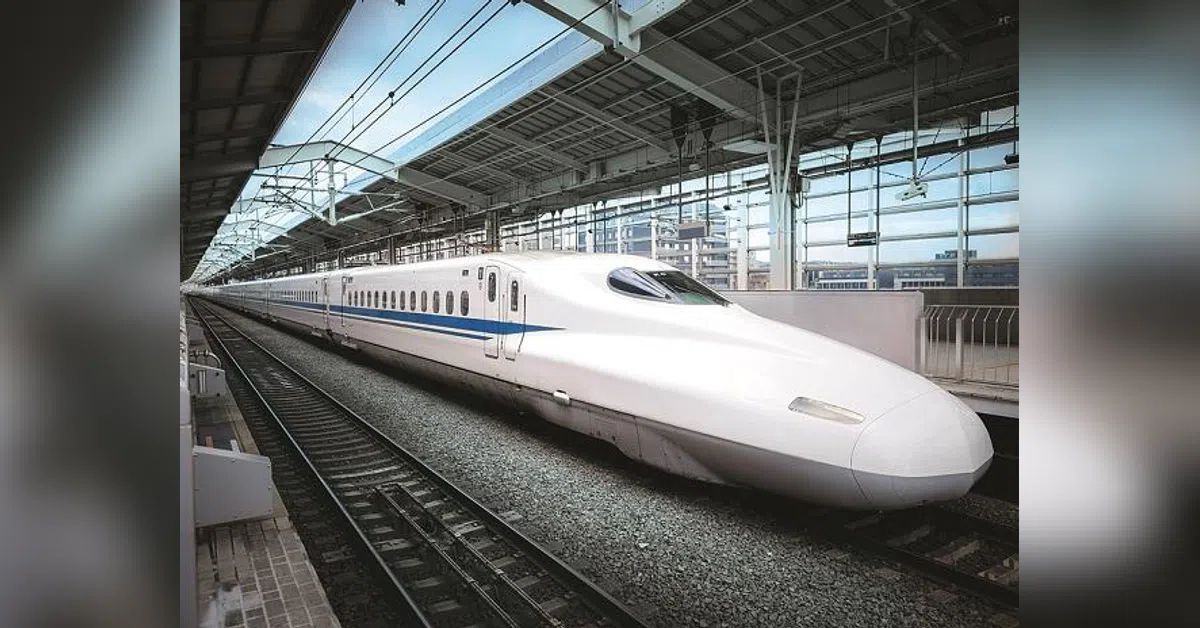
India is charting an independent path for its high-speed rail network by deploying indigenous train sets and open-standard ETCS signaling systems. This strategic recalibration accelerates rollout timelines and fosters domestic manufacturing capabilities across upcoming national corridors.
India plans to deploy indigenous train sets and globally interoperable signalling systems as it recalibrates its high-speed rail strategy beyond the Mumbai-Ahmedabad corridor.
In a strategic shift in national transportation policy, India is charting its own high-speed rail path by prioritizing domestically manufactured train sets and globally interoperable signalling systems for upcoming railway expansions. According to official announcements and reports from the Ministry of Railways released in July 2026, the recalibration comes as the government accelerates infrastructure timelines to meet ambitious commercial operation targets.
While the flagship Mumbai-Ahmedabad High-Speed Rail (MAHSR) project initially relied heavily on Japanese Shinkansen technology, evolving timelines and manufacturing advancements under the Make in India initiative have prompted a pragmatic transition toward indigenous rolling stock and open-standard digital signaling networks.
Indigenous Manufacturing and Global Interoperability
According to railway ministry disclosures, the decision to deploy locally designed high-speed train sets stems from pragmatic scheduling requirements. With next-generation Japanese E10 rolling stock slated for delivery in the early 2030s, Indian authorities resolved to launch initial commercial operations on priority sections using domestic train sets built by the Integral Coach Factory (ICF) in collaboration with BEML.
Furthermore, the national network is adopting the European Train Control System (ETCS) Level 2 for signaling and train control. This open-standard framework ensures seamless technical integration across international corridors, matching modern railway architectures implemented in Europe, Taiwan, and South Korea, while avoiding dependence on proprietary single-source infrastructure.
Impact on Domestic Industry, Commuters, and Investors
For domestic engineering firms and manufacturing sectors, the localized high-speed rail strategy presents substantial long-term growth opportunities. Building domestic capabilities in propulsion systems, specialized rolling stock, and heavy civil construction reduces foreign exchange dependencies and fosters technological self-reliance.
For everyday commuters and business travelers, the expansion promises faster, safer, and more reliable inter-city connectivity across major economic corridors. Financial analysts and infrastructure investors note that a standardized, replicable engineering framework will streamline capital allocation across the government's newly announced network of seven high-speed rail corridors.
Why It Matters
Transitioning toward indigenous manufacturing and open-standard signaling enables India to accelerate its national high-speed rail ambitions without being constrained by foreign manufacturing delays. This self-reliant approach secures vital infrastructure delivery and lowers long-term operational costs.
Key Facts at a Glance
Strategic Shift: India deploys domestic train sets and open-standard signaling for high-speed rail expansions.
Signaling Standard: Adoption of the European Train Control System (ETCS) Level 2 for interoperability.
Manufacturing Partners: Collaboration between Integral Coach Factory (ICF) and BEML.
Future Network: Expansion plans encompass seven high-speed rail corridors spanning nearly 4,000 kilometers nationwide.
Frequently Asked Questions
Why is India shifting its approach for high-speed rail corridors?
The strategic adjustment allows India to meet aggressive commercial operation timelines by utilizing domestic train sets while waiting for future international rolling stock deliveries.
What signaling system is being used for the new high-speed lines?
India is deploying the European Train Control System (ETCS) Level 2, an open-standard international digital signaling and train control architecture.
How does this impact the Mumbai-Ahmedabad High-Speed Rail project?
The MAHSR project will launch initial commercial services on priority sections using indigenous train sets before integrating future next-generation Japanese Shinkansen series.
Source: Ministry of Railways, Ministry of External Affairs (MEA), Business Standard, The Indian Express