




Loading market data...
ADVERTISEMENT

Latest Top News
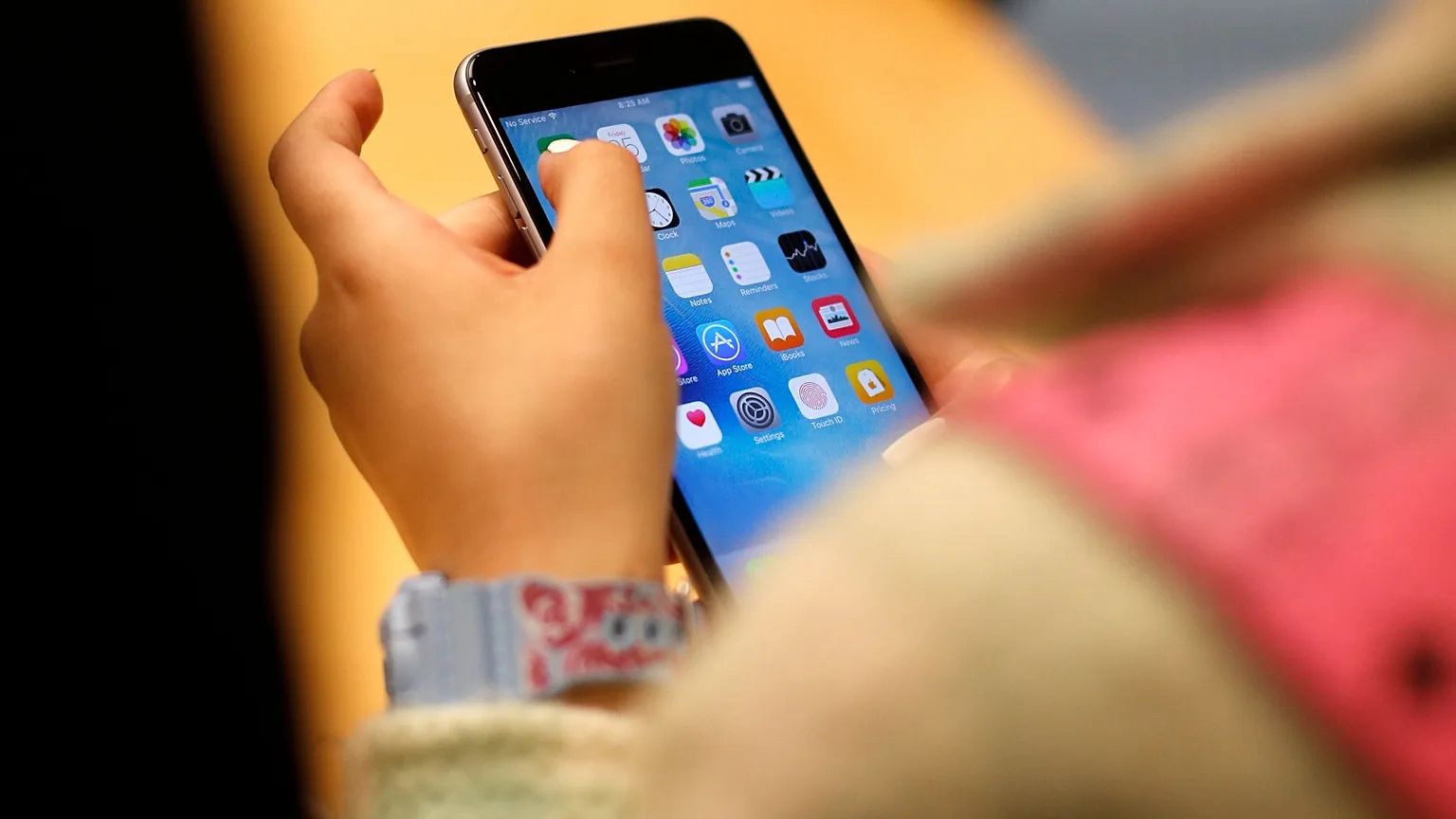
Governments Worldwide Unplug Kids From Social Media Amid Rising Concerns
Countries worldwide are tightening rules on children’s social media use, with bans and restrictions spreading from Australia to Austria, India, and Indonesia. Governments cite concerns over addictive algorithms, harmful content, and mental health risks, introducing age-based bans, mandatory media literacy, and stricter parental consent requirements.
Stay Ahead – Explore Now! Designing Debut: Vedang Raina Rented Mumbai Home Gets Vintage Tour
ADVERTISEMENT

Latest Updates

Global Markets Surge Higher in Pivotal Pre-Market...
16 Jun 2026, 07:57 AM
Tokenomics 2.0 Frameworks Deployed to Battle Risin...
16 Jun 2026, 07:48 AM
Siri AI in iOS 27 Introduces Onscreen Awareness an...
16 Jun 2026, 06:20 AM
FOMO TO FMA - Global Uncertainty Meets Indian Opti...
16 Jun 2026, 06:53 AM
Starlink New Satellite Tech Hits India National Se...
16 Jun 2026, 06:14 AMADVERTISEMENT

Top Stories
Global Markets Surge Higher in Pivotal Pre-Market...
16 Jun 2026, 07:57 AM
Tokenomics 2.0 Frameworks Deployed to Battle Risin...
16 Jun 2026, 07:48 AM
Siri AI in iOS 27 Introduces Onscreen Awareness an...
16 Jun 2026, 06:20 AM