Haryana has launched the state implementation of the VB-G RAM G scheme, offering India’s highest daily un-skilled rural job wage at ₹409. Replacing MGNREGA, the program guarantees 125 days of work annually, implements mandatory biometric site attendance, and mandates electronic wage payouts within seven days.
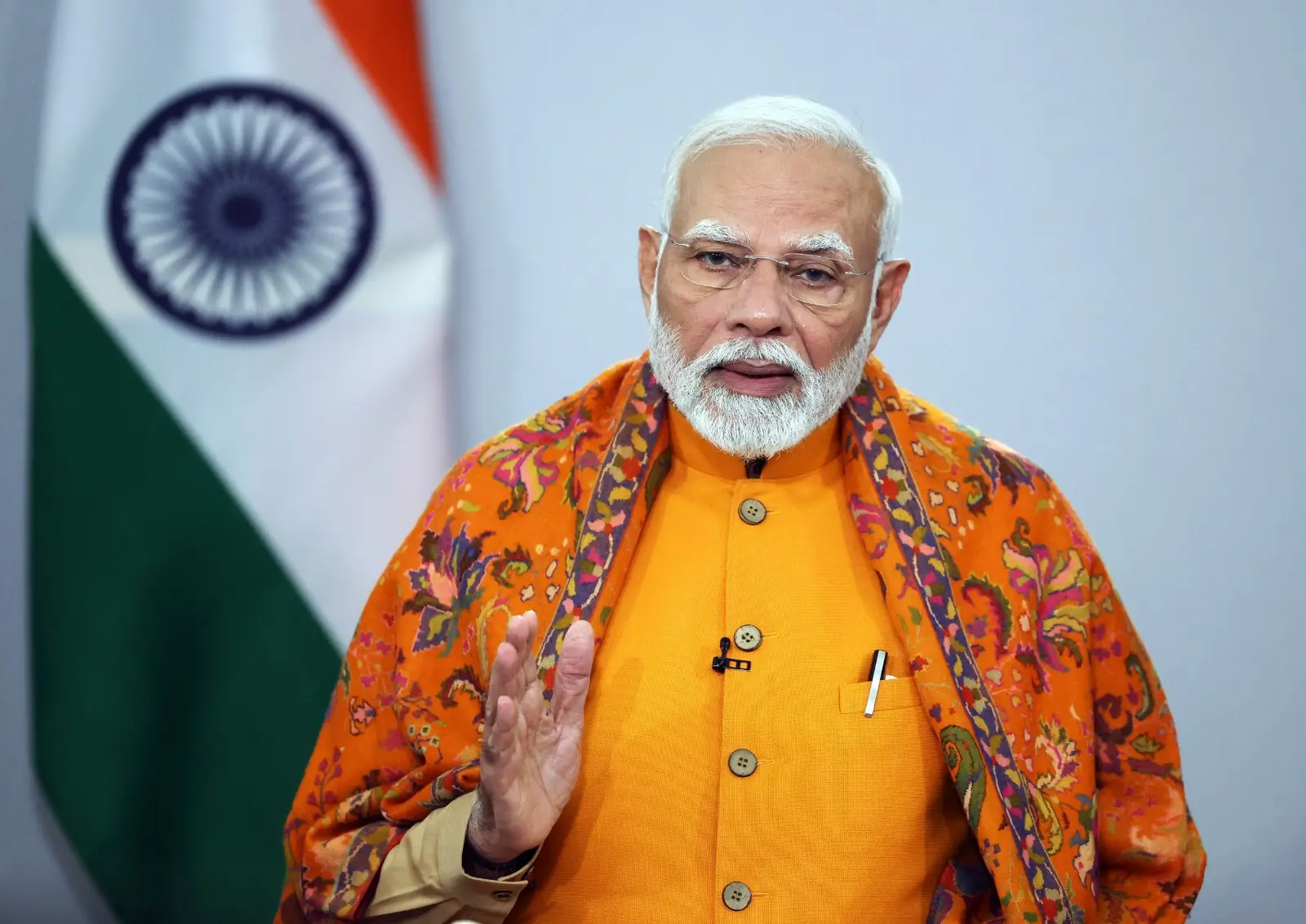
KURUKSHETRA — Haryana Development and Panchayats Minister Krishan Lal Panwar officially launched the state-level implementation of the VB-G RAM G scheme on Thursday, July 2, 2026, making Haryana the highest-paying state in India under the new national rural employment framework. Spurred by the nationwide rollout of the Viksit Bharat – Guarantee for Rozgar and Ajeevika Mission (Gramin) Act, 2025, the state has fixed its daily un-skilled wage at an unprecedented ₹409. The structural program officially replaces the long-standing Mahatma Gandhi National Rural Employment Guarantee Act (MGNREGA), introducing tighter computational oversight, technology-driven monitoring, and localized infrastructure focus areas to systematically insulate the rural economy.
Enhanced Accountability Framework and Structural Funding
The launch occurred via an online inauguration ceremony at a pond excavation project site in Shahzadpur village, Kurukshetra, accompanied virtually by Union Rural Development Minister Shivraj Singh Chouhan. The state administration has aggressively targeted administrative lag by slashing the legal deadline for wage disbursements from the previous 15-day window down to just seven days.
To enforce compliance, the government has established strict financial penalties for negligence: officials found directly responsible for bureaucratic payment delays will face a penalty of ₹10,000—a steep increase from the previous ₹1,000 regulatory benchmark. Financially, the launch is backed by a robust, cooperative funding grid. The Central Government has released an initial tranche of ₹590.19 crore, supplemented by a dedicated budget allocation of nearly ₹370 crore provided by the Haryana state government under Chief Minister Nayab Singh Saini.
Mandatory Biometrics and 318 Approved Asset Categories
A core emphasis of the VB-G RAM G scheme involves the widespread adoption of digital identity layers to permanently combat structural leaks and fake muster rolls. The Ministry of Development and Panchayats has made biometric attendance strictly mandatory across all local worksites before any work hours can be officially logged. All financial disbursements are routed directly to verifying commercial bank lines through the Direct Benefit Transfer (DBT) framework.
The operational scope of the mission covers 318 separate asset development categories, which have been digitally integrated with the PM Gati Shakti National Master Plan. These public works are grouped into four critical structural areas:
Water Security and Conservation: Silt removal from traditional village ponds, canal restoration, and check-dam construction.
Core Rural Infrastructure: Building dynamic local storage facilities, cold chain points, and rural market hubs.
Climate Resilience & Disaster Mitigation: Reforestation along agricultural borders and drainage modifications to reduce extreme weather shocks.
Livelihood Diversification: Creating community assets for animal husbandry, inland fisheries development, and targeted women’s skill training centers.
Economic Impact and Safeguards for Agrarian Laborers
The transition carries immediate structural updates for individual rural laborers, agricultural landowners, and consumer industries. By guaranteeing 125 days of annual un-skilled manual work up from the historical 100-day limit under the old legal framework the policy increases the basic income visibility of low-income families. Workers who do not receive a work allocation within 15 days of online registration are legally eligible for a government-funded unemployment allowance.
Furthermore, the state has built in explicit operational safeguards to protect core agricultural production cycles. Registered manual laborers are permitted up to 60 days of seasonal leave during peak crop sowing and harvesting operations. This dynamic buffer prevents severe seasonal farm labor shortages for private landowners, keeping food supply chains well-balanced while safeguarding the purchasing power of the state's rural consumers.
Official Sources Section
The underlying wage statistics, policy directives, budget allocations, and compliance parameters cited in this economic report are verified by:
Executive Statements
"Haryana on Thursday launched the revamped Viksit Bharat Rozgar Evam Ajeevika Mission (VB-GRAMIN), becoming the highest-paying state under the rural employment scheme by fixing the daily wage at ₹409 while introducing faster wage payments, stricter accountability and technology-driven safeguards."
— Krishan Lal Panwar, Minister for Development and Panchayats, Haryana
According to officials from the Rural Development Ministry, the sweeping national wage upward adjustment establishes a definitive ₹300 national baseline rate, helping to balance regional income inequalities while systematically increasing the value and dignity of manual un-skilled labor.
Why It Matters
The rollout of the new un-skilled labor framework introduces major practical shifts:
For Rural Workers: Income security increases markedly with the record-high ₹409 daily wage rate and a larger 125-day annual work allocation.
For Local Government: Enforcing a seven-day payment window backed by a ₹10,000 penalty compels local authorities to optimize administrative efficiency.
For Consumer Markets: Infusing direct capital into rural household accounts via DBT expands regional purchasing power, driving demand for essential household commodities.
Key Facts at a Glance
Top Wage Rate: Haryana officially leads all Indian states by setting its un-skilled baseline wage at a record ₹409 per day.
Timeline Cuts: Wage processing times have been legally halved, requiring direct electronic clearing within seven days.
Expanded Allocation: The mandatory job guarantee has been permanently extended to 125 days per household every fiscal year.
Accountability Measures: Worksites must now enforce mandatory biometric logins to clear all active daily wage claims.
FAQ Section
How does the VB-G RAM G scheme directly differ from the old MGNREGA program?
The VB-G RAM G scheme increases the annual employment guarantee from 100 to 125 days, introduces an absolute ₹300 national minimum base wage, and incorporates mandatory biometric worksite tracking alongside strict financial penalties for administrative processing delays.
What happens if the local Gram Panchayat fails to provide work within the stipulated timeframe?
Eligible rural workers must register for the program online. If local administrative channels fail to provide a verified manual work allocation within 15 days of registration, the applicant becomes legally entitled to a daily government unemployment allowance.
Will the enhanced daily wage rate cause a shortage of agricultural labor during peak harvest seasons?
No. The operational framework contains specific protections, including a clause that allows workers to take up to 60 days of leaves during the peak crop sowing and harvesting seasons, ensuring private agricultural supply lines are not disrupted.
Source: Press Information Bureau (PIB) India, Haryana Government Official Portal, United News of India (UNI) Economic Service.