




Loading market data...
ADVERTISEMENT

Latest Top News
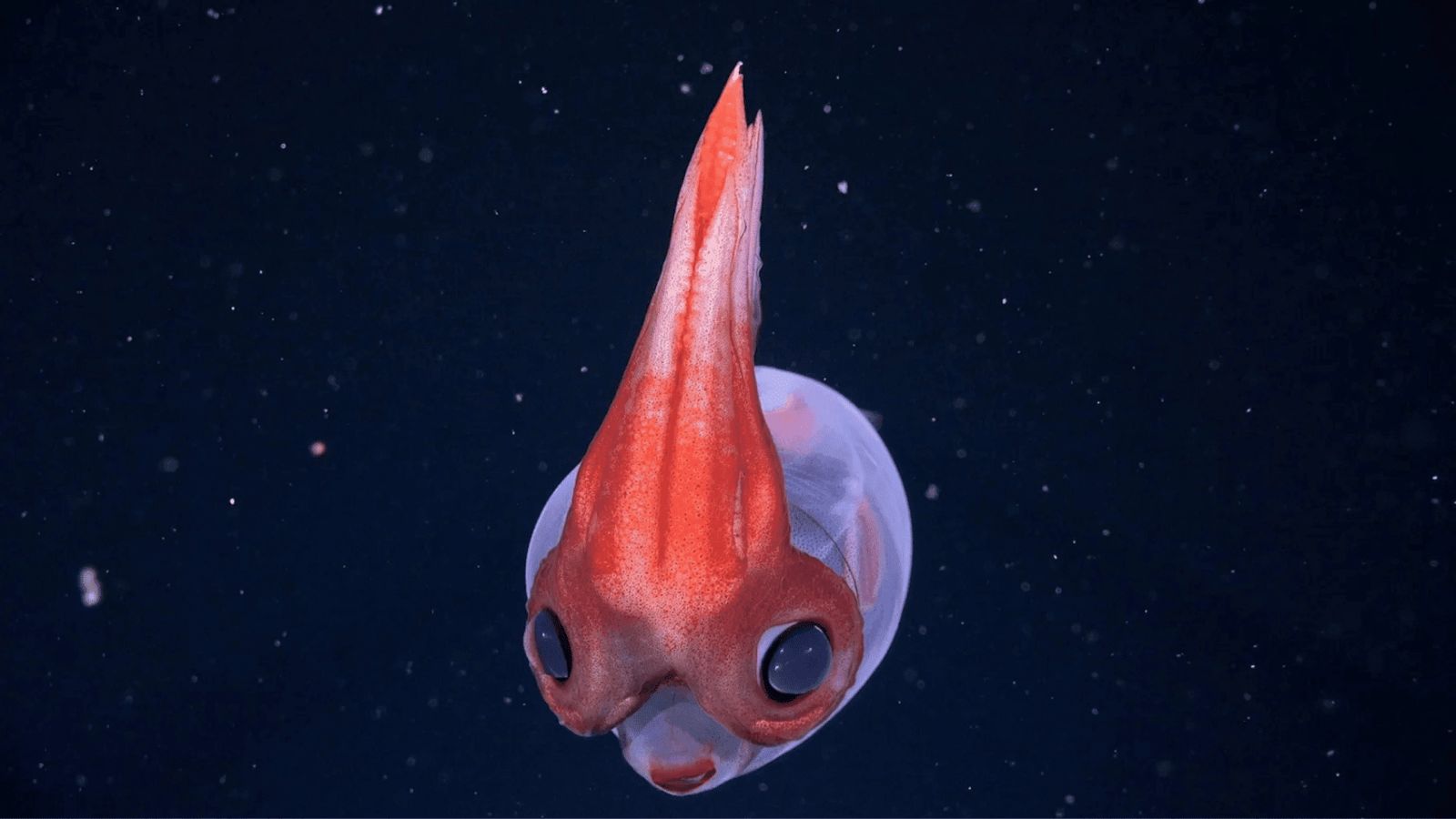
How Did Scientists Discover 28 New Species In Argentina’s Deep Ocean?
Marine biologists from the Schmidt Ocean Institute discovered 28 new deep-sea species in Argentina’s South Atlantic waters. Found near cold seeps, these organisms thrive in methane-rich ecosystems. The discovery includes rare squid, corals, and worms, highlighting the ocean’s unexplored biodiversity and the urgent need for conservation.
Stay Ahead – Explore Now! Dallas Launches Historic 34-Day FIFA Fan Festival at Fair Park
ADVERTISEMENT

Latest Updates

Siri AI in iOS 27 Introduces Onscreen Awareness an...
16 Jun 2026, 06:20 AM
FOMO TO FMA - Global Uncertainty Meets Indian Opti...
16 Jun 2026, 06:53 AM
Starlink New Satellite Tech Hits India National Se...
16 Jun 2026, 06:14 AM
SpaceX Rally Extends After Record-Breaking Wall St...
16 Jun 2026, 06:08 AM
Spain vs Cabo Verde Match Result Ends in Historic...
16 Jun 2026, 06:01 AMADVERTISEMENT

Top Stories
Siri AI in iOS 27 Introduces Onscreen Awareness an...
16 Jun 2026, 06:20 AM
FOMO TO FMA - Global Uncertainty Meets Indian Opti...
16 Jun 2026, 06:53 AM
Starlink New Satellite Tech Hits India National Se...
16 Jun 2026, 06:14 AM