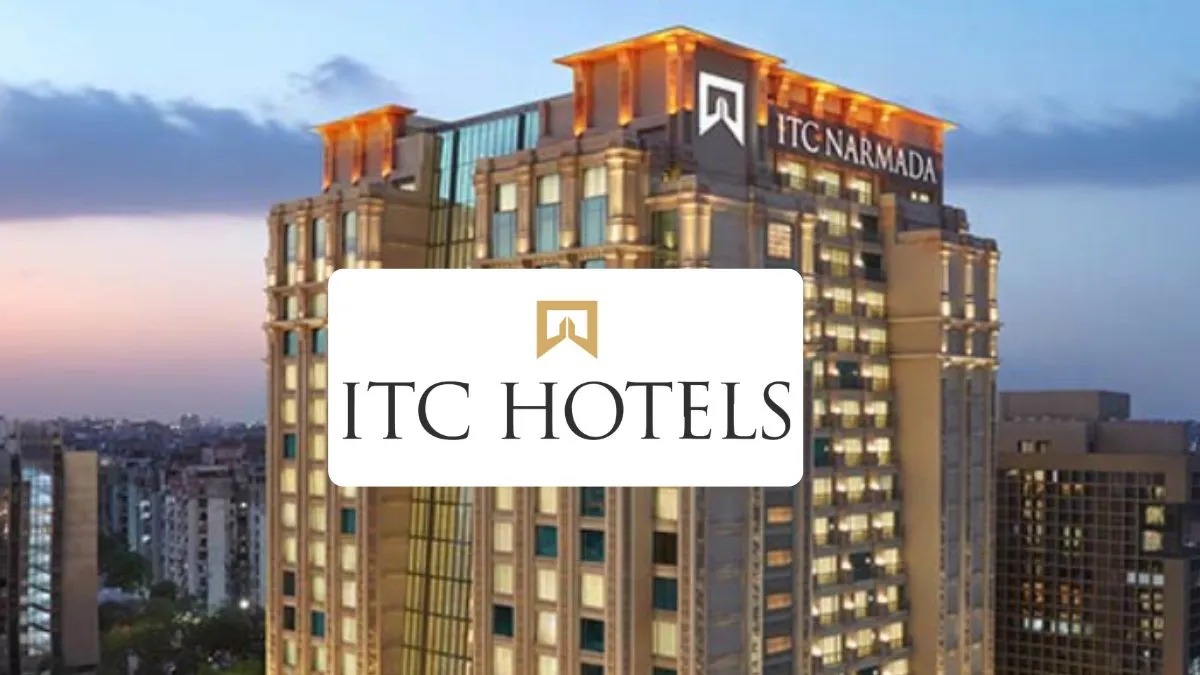
HSBC raised its target price for ITC Hotels to 208 rupees from 205 rupees on Friday, July 17, 2026, maintaining a positive outlook. The upgrade reflects strong domestic corporate travel demand, rising average room rates, and the long-term structural benefits of the group's independent, asset-light expansion strategy.
MUMBAI — Global banking and financial services institution HSBC has officially upgraded its market outlook for one of India's premier luxury lodging corporations. In a comprehensive equity research report released on Friday, July 17, 2026, HSBC raised its target price on ITC Hotels Limited to 208 rupees, shifting upward from its previous valuation marker of 205 rupees.
The global banking institution maintained its favorable rating on the stock, citing strong systemic improvements in internal pricing power and a persistent recovery in high-margin operations. As the hospitality brand establishes its independent corporate footprint following its landmark demerger from its parent consumer goods conglomerate, institutional analysts point out that robust corporate travel demands and high room booking yields are driving expansion metrics.
Escalating Room Tariffs Drive Premium Revenue Matrix
The principal catalyst behind HSBC’s target price upward revision is the sustained momentum observed across the industry's average room rates (ARR) and Revenue Per Available Room (RevPAR) indices. According to the research findings, high-end hospitality inventory across major Indian urban centers continues to experience high occupancy brackets, allowing operators to maximize baseline margins.
Industry metrics indicate that corporate domestic travel has returned in full force, heavily supported by multi-sector conventions, exhibitions, and the Meetings, Incentives, Conferences, and Exhibitions (MICE) pipeline. For a premium market leader like ITC Hotels, which features an extensive nationwide portfolio of eco-embedded luxury properties, this strong pricing environment helps protect operating cash flows against localized rising food inflation and administrative overhead penalties.
Demerger Optimization and Asset-Light Asset Accumulation
Beyond immediate operational revenue parameters, long-term asset managers are closely tracking the structural efficiency gains resulting from the brand's clear corporate independence. Following its complete operational separation from ITC Limited, the hospitality firm has implemented an optimized "asset-right" growth methodology.
By prioritizing management contracts and franchise operations for new boutique extensions rather than funding heavy capital-intensive construction projects directly, the corporation is lowering its baseline debt load. Financial analysts monitoring large-cap leisure stocks note that this capital-light approach accelerates the return on capital employed (ROCE), providing the company with an advantageous structural footprint to expand its market share against premium listed competitors across the sub-continent.
Official Sources Section
All equity price targets, structural earnings estimates, operational hospitality indicators, and index movements are corroborated by the global market research brief distributed by HSBC Global Research and verified against regulatory transaction listings maintained by the National Stock Exchange of India (NSE).
Quote Section
"According to officials at primary institutional brokerage operations, the premium hospitality sector continues to benefit from a clear lack of new room supply," a hospitality equities researcher noted during morning trade matching. "With demand outpacing active hotel room construction across key business hubs, market leaders like ITC Hotels possess the structural leverage to implement premium seasonal room rates, sustaining their long-term growth paths."
Why It Matters
The target price upgrade by a prominent international banking house introduces direct practical implications for various economic segments:
For Short-Term Investors: The revision to 208 rupees signals positive institutional sentiment, encouraging capital reallocations into hospitality assets during brief market consolidations.
For Hotel Competitors: An upgraded valuation model for a key industry player raises capital market benchmarks, pushing peer luxury brands to optimize their own digital booking workflows.
For Commercial Suppliers: Steady financial health within major hotel operations secures predictable procurement pipelines for domestic food and beverage distributors, facility management businesses, and logistics networks.
Key Facts at a Glance
Valuation Revision: HSBC officially raised its target price for ITC Hotels to 208 rupees from 205 rupees.
Structural Strategy: The corporation is aggressively deploying a capital-efficient, asset-light expansion model through premium management contracts.
Industry Drivers: Elevated corporate occupancy trends and expanding MICE events continue to boost systemic revenue metrics.
Market Position: As a fully demerged independent entity, the hotel group maintains enhanced strategic agility over its capital allocation.
FAQ Section
Why did HSBC raise its target price for ITC Hotels today?
The target price was upgraded to 208 rupees due to strong improvements in systemic room rates, high occupancy across key cities, and the efficiency gains from the company's asset-light growth strategy.
What is an "asset-right" or "asset-light" growth model in the hospitality sector?
It is a business method where a hotel brand expands its network by signing management contracts and franchising its brand name to third-party properties, avoiding the massive capital expenses required to purchase land and construct new buildings.
How is the company performing after its demerger from ITC Limited?
The demerger has allowed the hospitality business to operate with full corporate independence, enabling direct capital allocation and attracting specialized institutional investors focused strictly on the tourism and leisure industry.
Source: HSBC Global Research Institutional Briefs, National Stock Exchange of India (NSE), Ministry of Tourism Hospitality Allocation Portals.