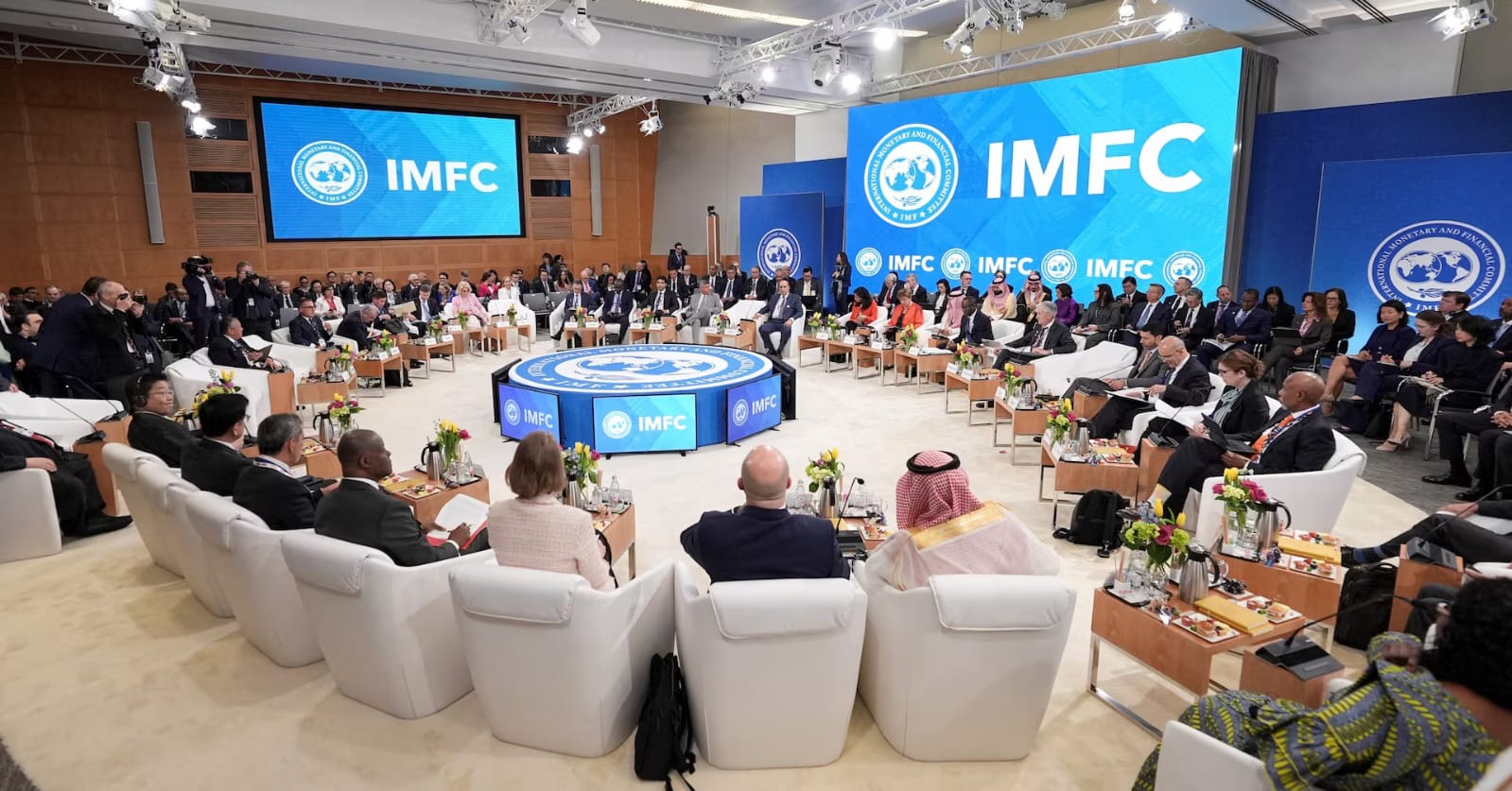
The IMF Strategy Chief confirmed that the Global Sovereign Debt Roundtable is working "extremely well" to streamline sovereign debt restructurings. The IMF is maintaining an optimistic outlook on the G20 Common Framework while actively deepening its technical analysis of the long-term risks that domestic debt poses to low-income nations.
WASHINGTON — The International Monetary Fund (IMF) confirmed on July 15, 2026, that the Global Sovereign Debt Roundtable is working "extremely well" to coordinate international relief efforts. The assessment, delivered by the IMF Strategy Chief, outlines an optimistic trajectory for resolving complex debt restructurings while signaling a strategic shift toward systemic domestic vulnerabilities. As rising fiscal pressures weigh heavily on developing economies, the announcement highlights crucial progress in synchronizing actions between traditional bilateral lenders, emerging creditors, and private financial markets.
Global Sovereign Debt Roundtable Working Effectively
The IMF Strategy Chief expressed strong confidence in the operational trajectory of the Global Sovereign Debt Roundtable (GSDR). The multilateral forum, co-chaired alongside the World Bank and the G20 Presidency, serves as a non-case-specific platform designed to build a common technical understanding of debt perimeters, information sharing, and restructuring standards.
According to the IMF Strategy, Policy, and Review Department, the structural engagement between diverse stakeholders has advanced remarkably smoothly. By bringing traditional Paris Club members, private credit institutions, and major emerging bilateral lenders like China to the same table, the roundtable has succeeded in shortening individual restructuring timelines.
Expanding Risk Analysis on Low-Income Domestic Debt
While external debt negotiations show steady improvement, the IMF is systematically deepening its analytics regarding internal financial threats. The IMF Strategy Chief stated that the international lender is actively expanding its technical analysis of the specific risks confronting low-income countries from domestic debt obligations.
This expanded review includes a thorough look at longer-term trends within domestic banking sectors and local bond markets. Historically, international institutions focused primarily on hard-currency external defaults. However, the IMF noted that growing reliance on local currency debt has exposed low-income nations to unique vulnerabilities, such as crowding out private credit, creating domestic banking liquidity strains, and limiting long-term fiscal flexibility.
Optimism Maintained for G20 Common Framework
Addressing broader global debt relief mechanisms, the Strategy Chief expressed distinct optimism regarding the G20 Common Framework for Debt Restructuring. Despite initial delays in processing early sovereign cases under the architecture, the framework is demonstrating functional resilience.
The IMF confirmed that it is continuing to work closely with international partners to refine, adjust, and improve the process. These iterative improvements focus heavily on making the framework more inclusive, accelerating the speed of official creditor committees, and establishing clear parameters to ensure the comparability of treatment across all active creditor groups.
Structural Impact on Global Financial Markets and Investors
The validation of these sovereign debt mechanisms carries direct implications for diverse international participants:
For Developing Nations: Closer technical cooperation lowers the threat of sudden defaults, allowing low-income countries to preserve critical social spending and infrastructure development.
For Private Creditors: Clearer ground rules and predictable timelines under the G20 Common Framework reduce the pricing volatility of sovereign bonds traded on global markets.
For Institutional Investors: Enhanced IMF analysis of domestic debt trends provides deeper corporate risk visibility, protecting long-term capital deployments in emerging economies.
Official Sources Section
The strategic priorities, analytical goals, and institutional performance assessments presented in this report are based on official policy updates and institutional statements released by the International Monetary Fund. All monitoring frameworks and roundtable updates correspond with the technical guidelines established by the G20 Secretariat and the World Bank.
Quote Section
According to official briefings from the IMF Strategy, Policy, and Review Department:
"We see the Global Sovereign Debt Roundtable working extremely well. The IMF is actively trying to deepen its analysis of risk facing low-income countries from domestic debt, including a look at longer-term trends. Furthermore, we remain optimistic that the G20 Common Framework for debt restructuring is working, and we are continuing to work to improve the process."
Why It Matters
The stability of the global financial architecture relies heavily on orderly debt resolutions. When sovereign debt restructurings stall, distressed nations face prolonged economic exclusion, which can lead to currency depreciation and severe domestic inflation. By improving technical consensus through the roundtable and proactively mapping out long-term domestic debt risks, the IMF provides a vital safety net that helps keep low-income markets economically viable.
Key Facts at a Glance
Roundtable Evaluation: The IMF Strategy Chief verified that the Global Sovereign Debt Roundtable is working "extremely well."
New Analytical Focus: The IMF is expanding its risk analysis to evaluate the long-term trends of domestic debt in low-income nations.
Framework Outlook: The institution expressed continued optimism regarding the performance of the G20 Common Framework.
Operational Goal: Ongoing efforts are dedicated to improving structural processes and speeding up debt restructuring timelines.
FAQ Section
Q: What is the primary function of the Global Sovereign Debt Roundtable?
A: The roundtable is a collaborative platform co-chaired by the IMF, World Bank, and G20 Presidency to build a common technical understanding of debt sustainability and restructuring standards among diverse creditors and debtors.
Q: Why is the IMF shifting focus toward domestic debt in low-income countries?
A: The IMF is expanding its risk analysis to address longer-term trends because domestic debt can significantly impact local banking stability and crowd out private sector credit.
Q: Is the G20 Common Framework still considered effective by the IMF?
A: Yes, the IMF Strategy Chief remains highly optimistic that the framework is working and confirmed that active efforts are underway to further streamline and improve the restructuring process.
Sources: International Monetary Fund Press Office, World Bank Sovereign Debt Portal, G20 Secretariat Communications Desk