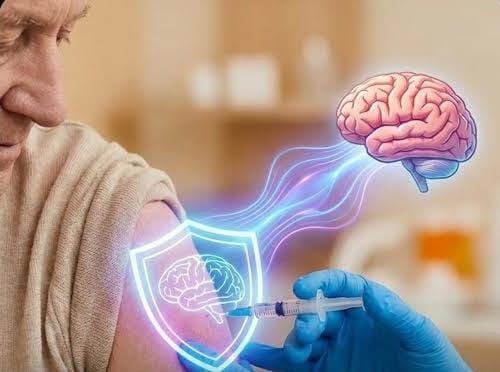
Groundbreaking clinical studies from Stanford and Cardiff universities show that shingles vaccines do more than prevent painful skin rashes. Immunization is linked to a 20% lower risk of dementia, potentially slowing early cognitive decline and offering a cost-effective, readily available tool to support long-term brain health.
LONDON, United Kingdom — What if a simple shingles vaccination could also shield your brain from devastating cognitive decline? Accumulating scientific evidence from major clinical centers worldwide indicates that standard shingles immunizations do far more than prevent a painful viral skin rash—they appear to offer a robust defense against dementia.
Medical researchers from Stanford University, Cardiff University, and the Heidelberg Institute of Global Health have published groundbreaking data showing that older adults who receive a shingles vaccine are up to 20% less likely to develop dementia over a seven-year period than their unvaccinated peers. Even more remarkably, emerging data suggests the immunization might help slow down the progression of the disease in patients who have already been diagnosed.
The "Natural Experiment" That Unlocked the Brain's Shield
Historically, linking vaccines to a reduced risk of cognitive decline was difficult because of "healthy user bias"—the reality that people who proactively seek out vaccines are generally healthier to begin with. However, researchers bypassed this obstacle by studying a unique "natural experiment" created by a public health rollout in Wales.
By analyzing data from the Secure Anonymised Information Linkage (SAIL) databank, which tracked over 300,000 older adults, scientists compared two nearly identical groups of seniors separated only by their birthdates. Those born just after the national eligibility cutoff received the live shingles vaccine, while those born just before did not.
The results, published in the journal Nature, showed a clear, persistent 20% drop in new dementia diagnoses among the vaccinated cohort. Additionally, a 2024 study in Nature Medicine focused on the newer recombinant vaccine (known commercially as Shingrix) and found it gave patients an average of 164 additional days of healthy, dementia-free living compared to older vaccine types.
Fighting Brain Inflammation and Viral Reactivation
While scientists are still working to understand the exact biological path, two prominent theories have emerged regarding how a shingles jab protects the brain:
1. Stopping the Pathogen Domino Effect
The varicella-zoster virus (which causes chickenpox and lies dormant in nerve cells for decades before causing shingles) is highly neurotropic—meaning it has an affinity for nervous tissue. Scientists believe that subclinical reactivations of this virus trigger chronic immune stress and neuroinflammation. This persistent inflammation is thought to speed up the buildup of amyloid plaques and tau proteins, which are hallmarks of Alzheimer's disease. By keeping the virus dormant, the vaccine prevents this inflammatory cascade.
2. The General Immune System Boost (Trained Immunity)
Another possibility is that the vaccine's components—especially advanced chemical delivery agents known as adjuvants (such as AS01 used in modern recombinant vaccines)—provide a broad boost to the aging immune system. This "trained immunity" counteracts age-related immune weakening, helping the body clear out harmful cellular debris in the brain before it can form memory-disrupting plaques.
Beyond Prevention: A Therapeutic Benefit for Existing Patients
In a follow-up study published in the prestigious journal Cell, researchers looked at what happens when patients who already have dementia receive the shingles vaccine. The findings were highly encouraging.
Older adults who received the vaccine after a dementia diagnosis were significantly less likely to die from the disease over a nine-year follow-up period. The study observed that while nearly 50% of unvaccinated dementia patients in the sample passed away during follow-up, only about 30% of those who received the shingles vaccine died from dementia-related causes. This protective, therapeutic effect was particularly pronounced in female patients.
Official Sources Section
Regulatory filings, medical archives, and peer-reviewed studies backing these findings have been thoroughly documented in the following leading scientific publications:
The Welsh Rollout Study: Published in
Nature(2025/2026), evaluating a dataset of over 300,000 patient records.
Recombinant Vaccine Comparative Study: Published in
Nature Medicine(2024), analyzing the benefits of the recombinant zoster vaccine over live-attenuated and other control vaccines.
Therapeutic and MCI Progression Trial Data: Published in
Cell(December 2025), exploring the effects of shingles vaccination at different stages of the dementia disease course.
Quote Section
Expressing optimism for public health, Dr. Haroon Ahmed, a Clinical Reader in Epidemiology at Cardiff University's School of Medicine and co-author of the Welsh study, stated:
"Our results suggest that the shingles vaccine could potentially prevent early memory decline and slow disease progression. Because the vaccine is safe, affordable, and already widely available, this finding could have major implications for public health—although more research is needed to confirm how and why it works."
Why It Matters
Dementia remains one of the greatest global healthcare challenges, with limited treatment options and no known cure. Developing new medicines is notoriously expensive and slow. Drug repurposing—using existing, safe, and regulatory-approved vaccines like the shingles jab—presents a rapid, cost-effective way to scale preventative brain healthcare globally. For families, this research translates to the potential of keeping loved ones cognitively sharp and independent for longer.
Key Facts at a Glance
Proven Efficacy: Shingles vaccination is linked to a solid 20% reduction in new cases of dementia.
Slowing the Disease: The vaccine reduces the rate of progression in individuals already diagnosed with mild cognitive impairment or early-stage dementia.
Extra Days of Clarity: Modern recombinant shingles vaccines (like Shingrix) yield an average of 164 extra days of dementia-free life.
Gender Variance: The protective, therapeutic benefits of shingles immunizations appear significantly stronger in women than in men.
FAQ Section
Can the shingles vaccine cure Alzheimer's or dementia?
No, the vaccine is not a cure. However, robust data shows it can significantly delay the onset of symptoms, prevent early memory decline, and potentially slow down disease progression in those already diagnosed.
How does a vaccine for a skin rash protect the brain?
Scientists believe it works by stopping the reactivation of the dormant chickenpox virus, which otherwise causes brain tissue inflammation. It may also give a general "boost" to the aging immune system, helping the brain clear out harmful proteins.
Which shingles vaccine is most effective for brain health?
While the older live vaccine (Zostavax) showed a 20% reduction in risk, the newer recombinant vaccine (Shingrix) has been linked to even better cognitive outcomes, including an additional 164 days of diagnosis-free living.
Sources: Nature Publishing Group, Cardiff University Press Office, Stanford University School of Medicine Research News, Cell Press Journals