India's overall unemployment rate remained steady at 5.5% in June 2026, according to NSO data. While national labor indicators show stability, urban unemployment ticked up to 6.6% due to an influx of job seekers, whereas rural unemployment saw a modest improvement, easing slightly to 5.0% during the month.
India's unemployment rate remained unchanged in June, masking a growing divide between cooling rural joblessness and mounting pressure in urban centers.
NEW DELHI — India’s labor market exhibited broad stability in June 2026, with the national unemployment rate holding steady at 5.5%, according to the latest data from the Periodic Labour Force Survey (PLFS) released by the National Statistical Office (NSO). While the headline figure remained unchanged from May, the underlying data reveals a tale of two economies: improving conditions in rural regions versus tightening labor pressures in cities.
The June survey, which canvassed over 372,000 individuals, showed that the overall Labour Force Participation Rate (LFPR) for those aged 15 and above stood at 54.4%, identical to the previous month. Similarly, the Worker Population Ratio (WPR)—a key measure of the proportion of the population that is employed—remained flat at 51.4%.
Urban Joblessness Edges Higher
The most notable shift in the June data occurred in urban India, where the unemployment rate climbed to 6.6% from 6.4% in May. Analysts point to a rise in workforce participation—urban LFPR increased to 50.1% from 49.8%—as a primary driver. Essentially, a larger number of people entered the labor market seeking work, but the pace of job creation proved insufficient to absorb the new entrants.
Despite this monthly uptick, the urban unemployment situation shows long-term improvement; the rate is notably lower than the 7.1% recorded in June 2025.
Rural Markets Show Resilience
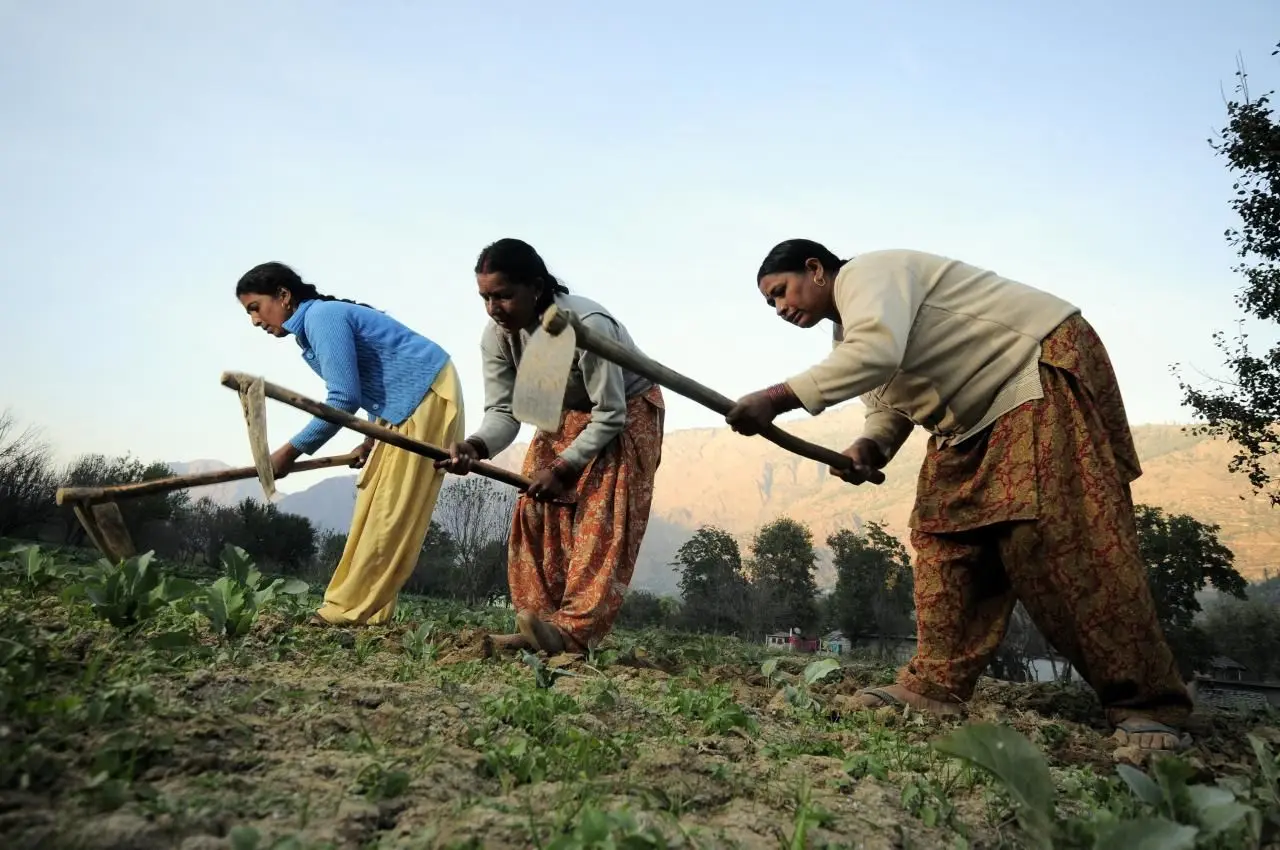
In contrast, rural India demonstrated signs of recovery. The rural unemployment rate eased slightly to 5.0% in June, down from 5.1% in May, reversing a trend of rising joblessness that had persisted since February. Rural LFPR and WPR remained steady, signaling that while the labor market is not booming, it is maintaining a consistent level of activity in the agricultural and rural non-farm sectors.
Official Sources
Ministry of Statistics and Programme Implementation (MoSPI): Released the official Periodic Labour Force Survey (PLFS) monthly bulletin for June 2026.
National Statistical Office (NSO): Conducted the survey and provided the granular data on labor force participation and employment ratios.
Quote Section
"According to officials," the June estimates are based on responses from a robust sample of 372,852 individuals, ensuring high statistical reliability for the monthly trend indicators.
Why It Matters
For policymakers and businesses, the divergence between urban and rural trends suggests that economic headwinds—such as the recent surge in energy prices—are impacting regions differently. While rural areas appear to be finding a floor, urban centers are struggling with the influx of new job seekers, a challenge that may require targeted skill-development programs to bridge the gap between labor supply and market demand.
Key Facts at a Glance
National Unemployment Rate: Remained stable at 5.5% in June, unchanged from May.
Urban Unemployment: Rose to 6.6% in June from 6.4% in May due to higher labor force entry.
Rural Unemployment: Eased slightly to 5.0% from 5.1% in the previous month.
Workforce Participation: The overall LFPR held steady at 54.4%, with a minor uptick in urban participation.
FAQ
Why did urban unemployment rise if the national rate was stable?
The rise in urban unemployment was driven by more people entering the labor market; even though the number of jobs grew, the number of job seekers grew faster.
How do these figures compare to last year?
On a year-on-year basis, the urban unemployment rate has declined from 7.1% in June 2025 to 6.6% in June 2026, indicating an overall improvement over the past 12 months.
Is the rural job market recovering?
Yes, rural unemployment eased to 5.0% in June, reversing an upward trend observed earlier this year.
Source: Ministry of Statistics and Programme Implementation, Periodic Labour Force Survey (PIB)