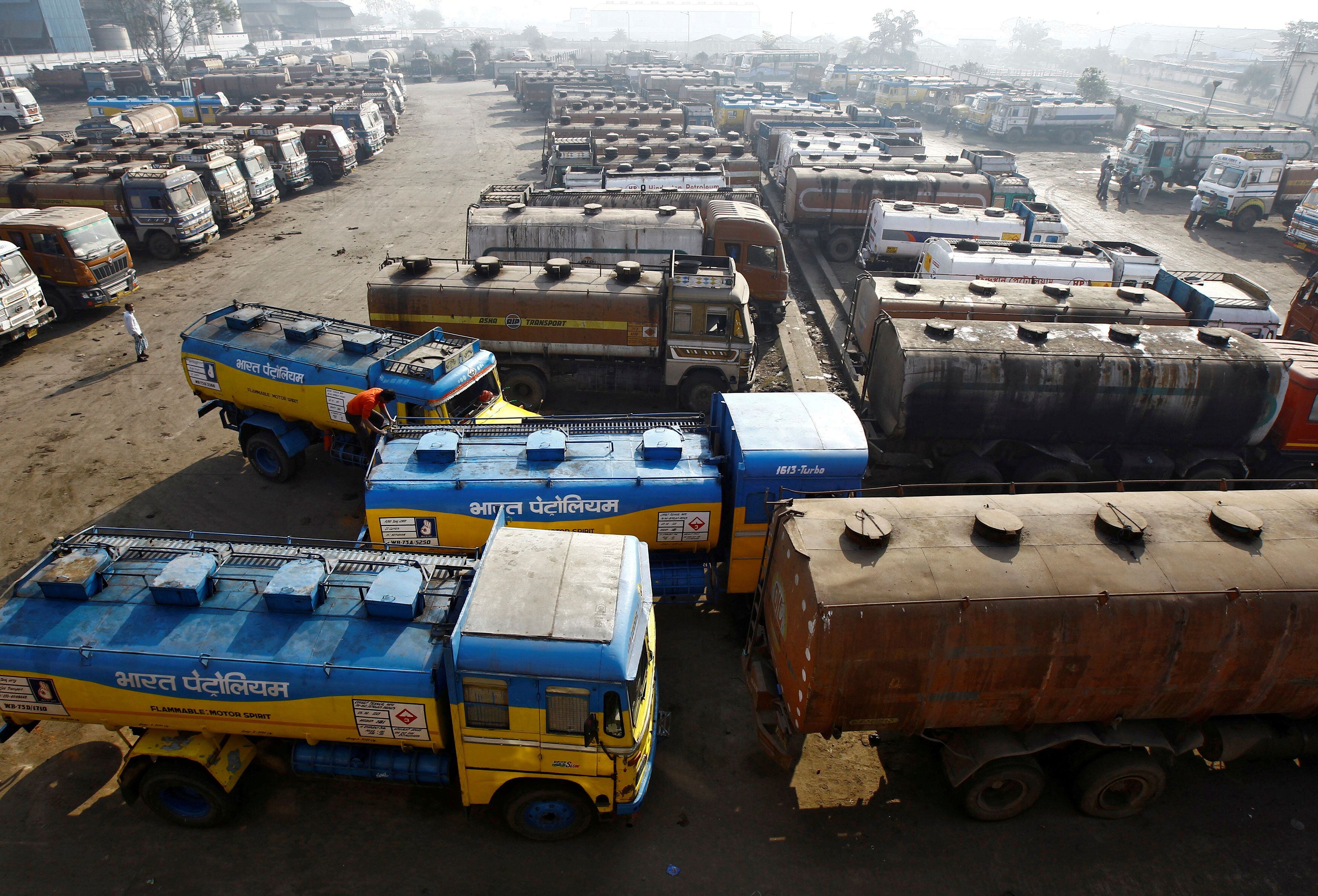
State-run Bharat Petroleum Corporation Limited (BPCL) has purchased a crude oil cargo from Iraq’s Basra terminal, a senior company executive confirmed. The acquisition aligns with India's broader energy security strategy, ensuring stable refinery feedstock supplies, optimized processing margins, and active procurement diversification across Persian Gulf oil export channels.
MUMBAI — State-run refiner Bharat Petroleum Corporation Limited (BPCL) has procured one cargo of crude oil from Iraq loaded via the Al Basrah Oil Terminal. A senior executive at the Indian state-owned oil marketing company confirmed the transaction on Thursday, August 27, 2026, pointing to India's ongoing strategy of optimizing crude basket economics and maintaining energy security across state refineries. The cargo purchase comes as Indian public-sector refiners actively calibrate spot and term intake from traditional Middle Eastern suppliers to maintain uninterrupted processing throughput across domestic refining complexes.
Crude Sourcing Strategy and Middle East Engagement
The acquisition of the Iraqi crude cargo from the Basra export terminal aligns with BPCL’s flexible crude procurement framework. Iraq remains one of India’s foremost crude suppliers, with Basrah grades—predominantly Basrah Medium and Basrah Heavy—forming a central component of feedstock diets for Indian coastal and inland refineries.
BPCL operates major refineries in Mumbai (Maharashtra), Kochi (Kerala), and Bina (Madhya Pradesh), with an aggregate refining capacity exceeding 35 million metric tonnes per annum (MMTPA). Company officials confirmed that crude intake from the Persian Gulf helps maintain high utilization rates while meeting technical yield specifications for transportation fuels such as diesel and petrol.
Energy trade desks noted that the cargo transaction reflects standard commercial crude scheduling designed to manage shipping windows, inventory levels, and refinery processing margins.
Market Dynamics and Energy Security Balance
Indian refiners have increasingly adopted dynamic feedstock strategies over recent quarters. While long-term contracts and spot purchases of Russian Urals have featured prominently in India's import mix, public sector oil marketing companies—including BPCL, Indian Oil Corporation Limited (IOCL), and Hindustan Petroleum Corporation Limited (HPCL)—continue to rely on stable baseload supplies from West Asian producers like Iraq, Saudi Arabia, and the United Arab Emirates.
Trade analysts highlight that maintaining regular cargo off-takes from terminals like Basra ensures operational agility. It also mitigates geopolitical risks, ensures favorable freight logistics via short Middle East-to-India maritime routes, and sustains long-term commercial ties with national oil companies including Iraq's State Organization for Marketing of Oil (SOMO).
Official Sources
According to statements from BPCL executive leadership and regulatory disclosures to Indian commodity and equity markets:
"Bharat Petroleum Corporation Limited continues to evaluate and execute crude oil purchases on commercial terms, including recent cargo procurement from Iraq’s Basra terminal, to meet the steady operating requirements of its domestic refinery network."
Quote Section
According to official executive sources at BPCL:
"The procurement of crude cargoes from the Basra terminal reflects our established strategy to diversify supply sources, secure competitive feedstock pricing, and ensure uninterrupted fuel supply to meet domestic market consumption."
Why It Matters
Securing reliable crude deliveries from established Persian Gulf hubs is vital for India, which imports over 85% of its crude oil requirements. For consumers, stable refinery runs prevent domestic fuel supply shortfalls. For investors and energy markets, BPCL's proactive crude slate optimization supports gross refining margins (GRMs) and stabilizes input costs against international benchmark fluctuations.
Key Facts at a Glance
Buyer: Bharat Petroleum Corporation Limited (BPCL).
Origin/Terminal: Iraq, Al Basrah Oil Terminal.
Volume: One crude oil cargo.
Strategic Objective: Refinery feedstock optimization, energy security, and supply diversification.
Refining Footprint: Supplies integrated BPCL facilities at Mumbai, Kochi, and Bina.
Frequently Asked Questions
What crude grade is typically loaded at the Basra terminal?
Iraq's Basra terminal primarily exports Basrah Medium and Basrah Heavy crude oil grades, which are widely processed by complex Indian refineries.
Why does BPCL buy crude from Iraq?
Iraq is a key supplier for Indian refiners due to its geographical proximity, reliable shipping routes, and crude assay compatibility with Indian refining units.
How does this purchase impact domestic fuel availability?
Regular crude imports from diverse global suppliers ensure continuous refinery utilization, keeping petrol, diesel, and aviation fuel distribution stable across India.
Source: Bharat Petroleum Corporation Limited (BPCL) | Ministry of Petroleum and Natural Gas (MoPNG) | National Stock Exchange of India (NSE)