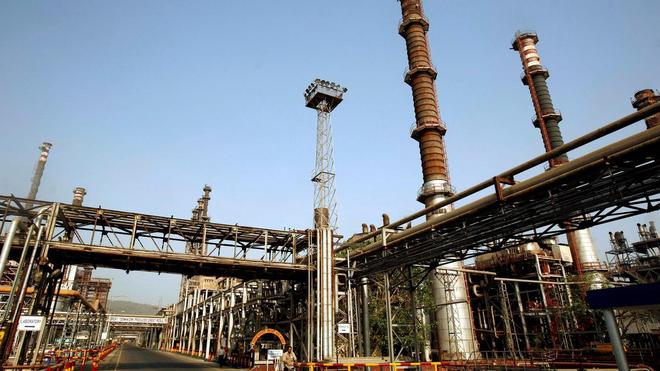
The Central Government reduced windfall taxes on petroleum exports effective September 16, 2026. Petrol duties dropped to ₹0.5 per litre, diesel to ₹20 per litre, and ATF to ₹15 per litre. The fortnightly revision aims to support domestic refiner margins while maintaining energy security amid shifting global crude benchmarks.
NEW DELHI — Responding to shifting global crude benchmarks and stabilizing international refinery margins, the Central Government has scaled back export levies on key petroleum items. According to official notifications issued by the Ministry of Finance, the revised windfall taxes took effect on Wednesday, September 16, 2026.
The latest fortnightly review introduces broad-based reductions across major transportation fuels. The export duty on petrol has been trimmed to ₹0.5 per litre down from ₹1.5 per litre, while the levy on diesel exports drops significantly by ₹5 to ₹20 per litre from ₹25 per litre. Simultaneously, the export tax on aviation turbine fuel (ATF) has been reduced to ₹15 per litre from ₹19 per litre.
Fortnightly Adjustments and Duty Structures
The windfall tax framework—officially tracked as the Special Additional Excise Duty (SAED)—is calibrated every fortnight to align domestic market priorities with global crude fluctuations.
A closer examination of the updated schedule highlights structural tweaks within individual fuel categories:
Diesel Adjustments: The previous ₹25 per litre levy comprised a ₹24 SAED component alongside a ₹1 per litre Road and Infrastructure Cess (RIC). Under the new order, the RIC has been brought down entirely to nil, leaving an adjusted SAED of ₹20 per litre.
Petrol Minimization: The duty on petrol exports stands at a minimal ₹0.5 per litre with a nil RIC component, effectively near-eliminating outbound friction for motor spirit.
Jet Fuel Relief: ATF export tax scales down by ₹4 per litre to settle at ₹15 per litre, easing operational margin pressures for domestic refiners servicing international aviation contracts.
Ministry officials emphasized that domestic retail prices for petrol and diesel consumed within India remain unaffected, with baseline excise duties for domestic channels held steady.
Impact on Refiners, Exporters, and Energy Markets
For major domestic oil-refining enterprises and private fuel exporters, the downward revision of export duties provides a welcome margin cushion. The adjustment follows months of high international price volatility driven by geopolitical tensions in West Asia. By trimming export penalties, the administration aims to maintain steady refinery throughput and capacity utilization across export-oriented units without risking domestic supply shortages.
Official Sources Section
Tax revisions, effective dates, and policy breakdowns verified via official notifications from the Ministry of Finance (Department of Revenue) and government fiscal dispatches released in September 2026.
Quote Section
According to official Ministry of Finance notifications detailing the fortnightly review, "the revised export levies on petrol, diesel, and aviation turbine fuel come into effect with immediate effect starting September 16, reflecting prevailing trends in international crude and product pricing."
Why It Matters
Windfall taxes act as a regulatory valve between soaring international energy spikes and domestic consumer protection. Calibrating these duties downward supports refiner profitability, prevents inventory bottlenecks at coastal terminals, and stabilizes broader export revenues as global crude pricing normalizes.
Key Facts at a Glance
Effective Date: September 16, 2026.
Petrol Export Duty: Reduced to ₹0.5 per litre (from ₹1.5).
Diesel Export Duty: Cut to ₹20 per litre (from ₹25, with RIC withdrawn).
ATF Export Duty: Lowered to ₹15 per litre (from ₹19).
Domestic Impact: No changes to excise rates for fuel sold domestically.
Frequently Asked Questions
What are the new windfall tax rates for petroleum exports?
Effective September 16, 2026, the export duty is ₹0.5 per litre for petrol, ₹20 per litre for diesel, and ₹15 per litre for aviation turbine fuel.
Did domestic petrol and diesel retail prices change with this order?
No. Baseline excise duties and retail prices for fuel meant for domestic consumption remain entirely unchanged.
Why does the government periodically revise windfall taxes?
Export duties are reviewed fortnightly based on international crude oil prices, global product cracks, and refinery margins to balance domestic supply security with exporter viability.
Source: Ministry of Finance official notifications (September 2026); Department of Revenue fiscal policy updates; official press bureau briefings.