




Loading market data...
ADVERTISEMENT

Latest Top News
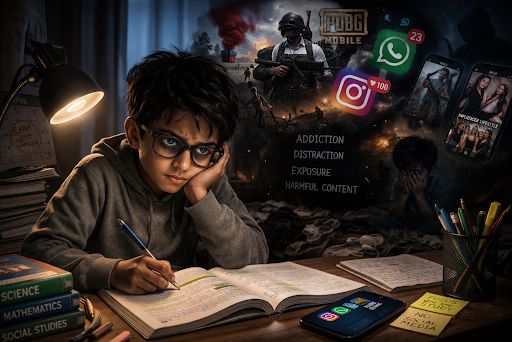
India Debates Ban Or Balance On Social Media For Children
India is debating whether to ban or balance social media access for children under 16. Policymakers, educators, and parents are concerned about rising screen addiction, mental health risks, and exposure to harmful content. Experts argue that regulation must protect children while allowing innovation and digital literacy to thrive.
Stay Ahead – Explore Now! West Bengal to Invite Tatas but Singur Land No Longer Government Owned
ADVERTISEMENT

Latest Updates
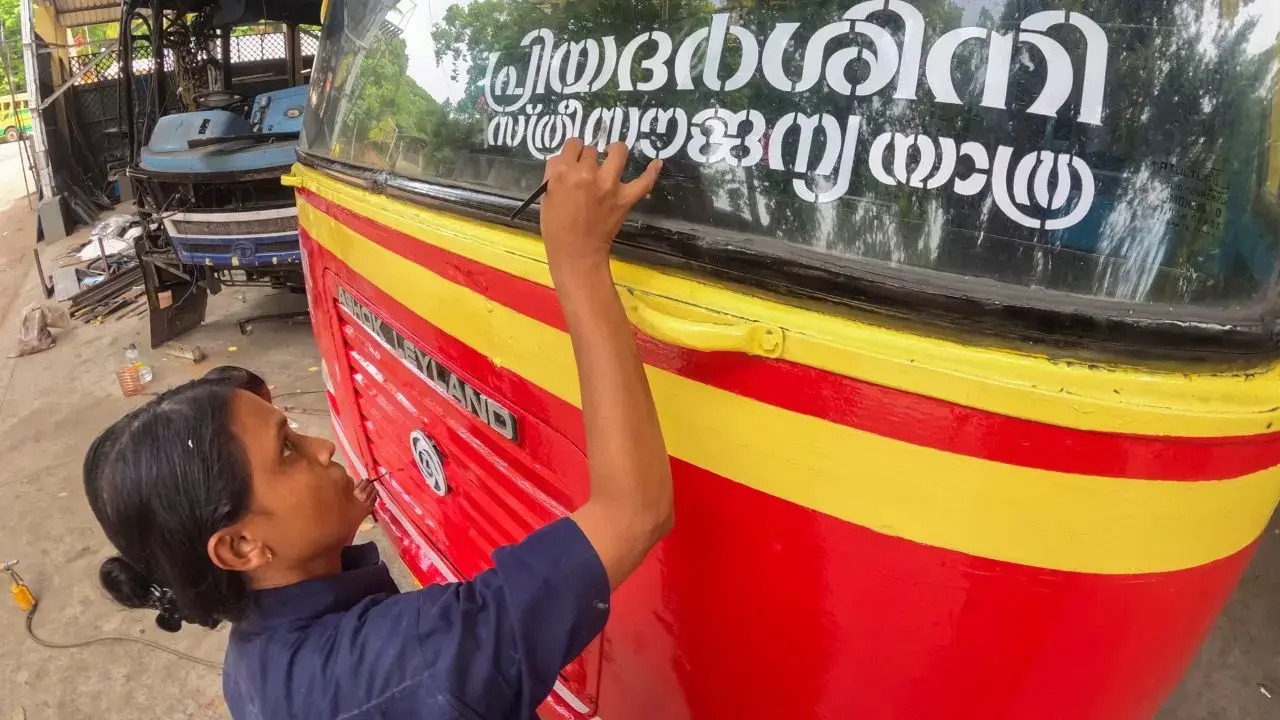
Kerala Launches Priyadarshini Free Bus Travel Sche...
16 Jun 2026, 08:12 AM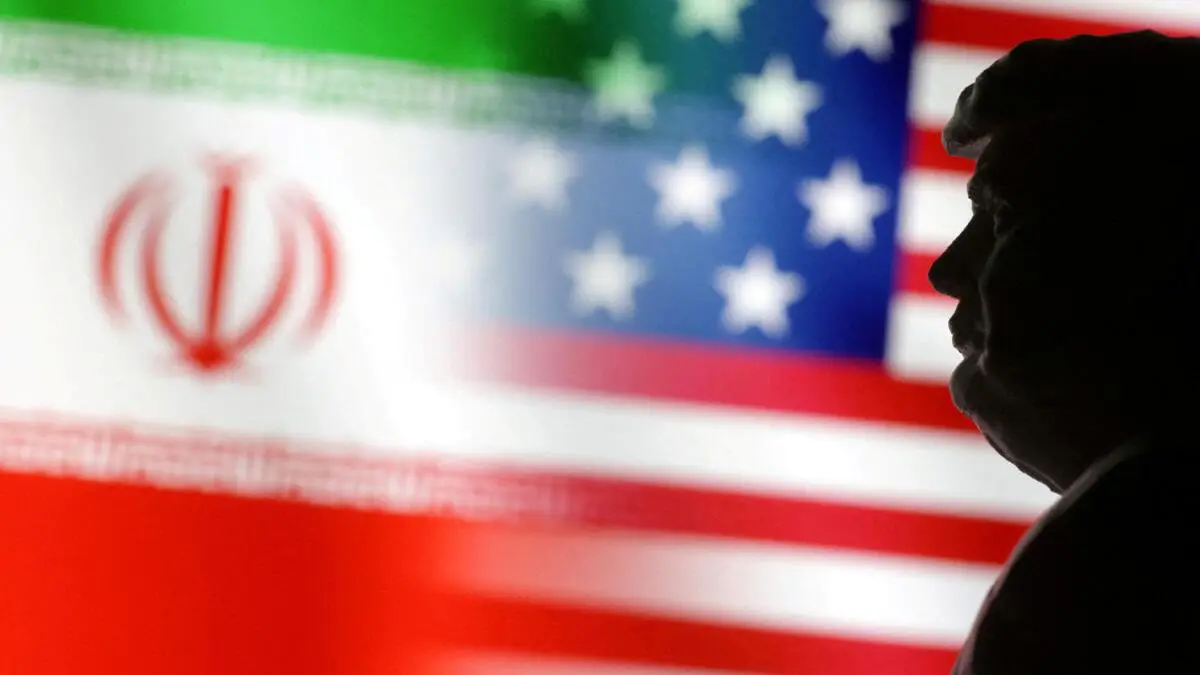
Trump Affirms Iran Agreed to Nuclear Clause, Denie...
16 Jun 2026, 08:03 AM
Global Markets Surge Higher in Pivotal Pre-Market...
16 Jun 2026, 07:57 AM
Tokenomics 2.0 Frameworks Deployed to Battle Risin...
16 Jun 2026, 07:48 AM
Siri AI in iOS 27 Introduces Onscreen Awareness an...
16 Jun 2026, 06:20 AMADVERTISEMENT

Top Stories
Kerala Launches Priyadarshini Free Bus Travel Sche...
16 Jun 2026, 08:12 AM
Trump Affirms Iran Agreed to Nuclear Clause, Denie...
16 Jun 2026, 08:03 AM
Global Markets Surge Higher in Pivotal Pre-Market...
16 Jun 2026, 07:57 AM