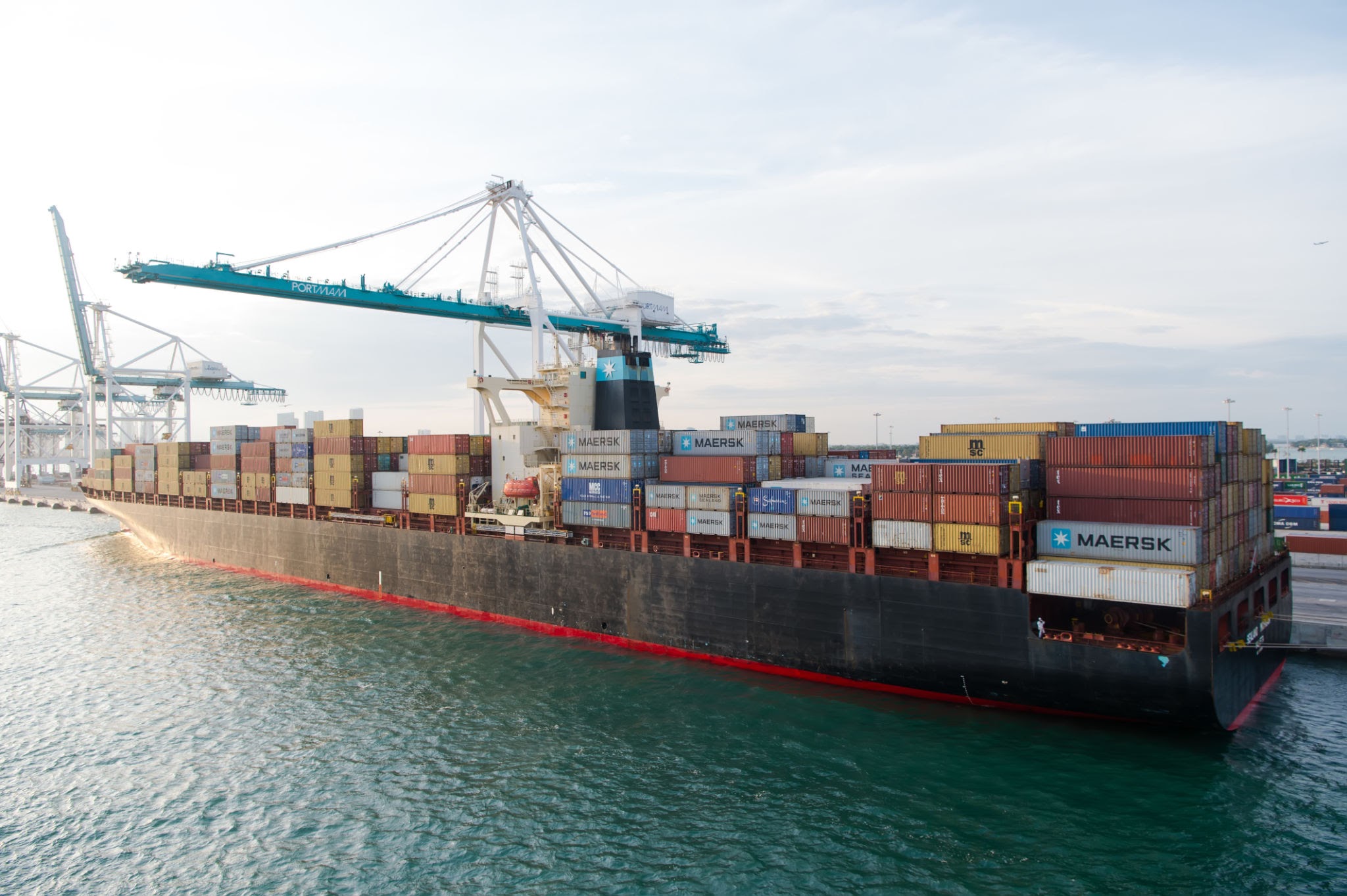
The Indian government has exempted IFSC units in GIFT City from licensing requirements under the Coastal Shipping Act, 2025, when chartering foreign vessels for international trade. The reform simplifies shipping regulations, cuts administrative delays, and enhances GIFT City's competitiveness against global maritime hubs like Singapore and Dubai.
GANDHINAGAR — In a major structural move to strengthen India's maritime services ecosystem, the central government has officially exempted business units operating within the International Financial Services Centre (IFSC) at GIFT City from mandatory licensing requirements when chartering foreign vessels. Formally notified by the Ministry of Ports, Shipping and Waterways on July 10, 2026, the sweeping reform waives the regulatory obligations outlined under Section 11 of the Coastal Shipping Act, 2025.
The regulatory relaxation applies explicitly to export-import (EXIM) and international trade logistics handled by registered IFSC entities. By removing the mandatory clearance protocols previously enforced by the Director General of Shipping, the government seeks to eliminate administrative delays, lower systemic costs, and enable GIFT City to compete directly with premier offshore maritime clusters such as Singapore, Dubai, and London.
Dismantling Regulatory Obstacles Under the Maritime Law
The specialized waiver, introduced via administrative powers granted under Section 37 of the Coastal Shipping Act, 2025, represents a fundamental shift in how India regulates cross-border freight transportation. Prior to this structural reform, entities registered in India faced an arduous process when chartering foreign vessels, requiring explicit regulatory clearances from the Director General of Shipping. These protocols often introduced severe commercial friction during time-sensitive international freight negotiations.
Under the updated decree, qualified ship leasing firms, finance units, and maritime transport operators located within the tax-free enclave can execute global time charters, bareboat charters, and freight agreements seamlessly. The policy explicitly removes the requirement to file routine compliance applications for chartering foreign vessels for operations covered under Section 11, provided the underlying voyages do not engage in domestic coastal trade along mainland Indian ports.
Onshoring India’s Multi-Billion Dollar Shipping Freight Market
The decision addresses a long-standing structural deficit within the country's macroeconomic transport portfolio. According to historical data compiled by the Ministry of Ports, Shipping and Waterways, India's international commerce accounts for roughly 11% of global seaborne cargo trade. However, domestic shipping companies control less than 5% of this overseas tonnage. This vast gap has resulted in an estimated annual outflow of over $75 billion in ocean freight payments to foreign-registered maritime corporations.
The International Financial Services Centres Authority (IFSCA) has actively campaigned for this adjustment to attract international shipowners. Because companies inside the GIFT City special economic zone transact exclusively in foreign currencies, they remain insulated from local foreign exchange control regulations. The Ministry noted that by simplifying the regulatory framework governing the chartering of foreign vessels for international shipping operations, the special enclave can now match the flexibility of global offshore jurisdictions.
Direct Ramifications for Fleet Operators and Global Investors
The localized policy intervention delivers immediate operational clarity to multi-national logistics operators currently setting up shop in Gujarat, including major players like BainBridge Navigation, Panbulk Shipping, and Tata NYK Shipping. For international vessel operators and trade firms, this change eliminates time-sensitive bottlenecks that frequently occur when chartering foreign vessels for spot or voyage charters.
For global asset managers and maritime financiers, the removal of the licensing hurdle simplifies the security framework surrounding vessel deployment. Ship leasing businesses operating inside the IFSC can now acquire, lease, and sub-charter merchant assets to global traders without the risk of administrative interventions or unexpected gridlocks from domestic maritime departments.
Official Sources Section
The parameters, legislative citations, and institutional datasets referenced in this report originate directly from the following public entities:
Executive and Ministerial Perspectives
Commenting on the structural update, Union Minister of Ports, Shipping and Waterways, Shri Sarbananda Sonowal, emphasized the government's commitment to continuous regulatory optimization:
"The next phase is to unlock the full potential of the maritime industry by minimal governance to enhance competitiveness and efficiency that powers India's journey towards Viksit Bharat."
Industry stakeholders have widely welcomed the development. Maritime legal experts noted that the absolute exemption ensures regulatory parity with rival hubs like Singapore and Hong Kong, significantly boosting the commercial appeal for global vessel operators considering relocation to India’s maiden IFSC.
Why It Matters
From a practical perspective, this policy shift dramatically lowers the barrier to entry for international freight operators. By removing the mandatory licensing requirement, the government allows firms to lock in shipping rates, charter vessels, and re-route international cargo within minutes rather than days. For Indian exporters and importers, this translates into more competitive freight pricing, fewer logistical delays, and direct access to an expanded pool of global transport vessels managed directly out of a domestic financial center.
Key Facts at a Glance
The Core Exemption: IFSC business units are entirely freed from obtaining licensing under Section 11 of the Coastal Shipping Act, 2025.
Target Activities: The waiver applies exclusively to chartering foreign vessels for global EXIM and international cross-trade operations.
Implementing Authority: Issued via a special notification by the Union Ministry of Ports, Shipping and Waterways.
Strategic Intent: Designed to capture a portion of India’s $75 billion foreign freight market by turning GIFT City into a top-tier ship leasing hub.
FAQ Section
What specific shipping licensing rule has the government changed for GIFT City?
The government has exempted all eligible units operating inside the GIFT City IFSC from needing a prior license from the Director General of Shipping when they charter foreign-flagged vessels for international trade routes and EXIM operations.
Does this shipping exemption apply to domestic transport between Indian ports?
No. The regulatory relaxation is strictly confined to international trade, cross-trade routes, and EXIM shipments. Any vessel operations moving cargo between two domestic ports within the mainland Indian Tariff Area must still comply with standard national coastal shipping licensing laws.
How does this policy update help global ship leasing companies?
Previously, ship leasing companies faced administrative delays because they had to secure individual regulatory permits for their vessels. The absolute exemption removes this bureaucratic bottleneck, allowing companies to lease, time-charter, or voyage-charter foreign vessels instantly on the global market.
Source: Ministry of Ports, Shipping and Waterways Official Portal, International Financial Services Centres Authority Registry, Directorate General of Shipping Database.