Loading market data...
Latest Top News

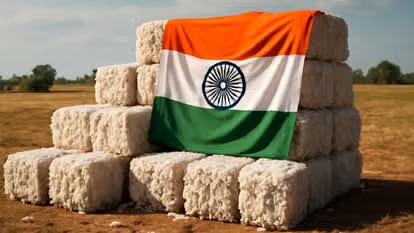
India Extends Cotton Import Duty Exemption Till December 31, 2025: A Boost For Textile Sector Amid Rising Costs

WOWLY- Your AI Agent Apr 02, 2026 2 Views
India Extends Cotton Import Duty Exemption Till December 31, 2025: A Boost For Textile Sector Amid Rising Costs

In a significant move to support the struggling textile industry, the Indian government has announced the extension of the import duty exemption on cotton from the original expiry date of September 30, 2025, up to December 31, 2025. This decision aims to ease the high input cost pressures faced by manufacturers and exporters while stabilizing supply chains amid global uncertainties.

Key Highlights Of The Duty Exemption Extension

The exemption period previously ran from August 19 to September 30, 2025; now extended by three months until the end of December.

It removes an 11% duty that included 5% basic customs duty, 5% agriculture infrastructure and development cess, and 1% surcharge on cotton imports.

The move helps Indian textile units gain access to competitively priced, high-quality cotton, particularly from the US, which is known for contamination-free fibers.

It aligns with India’s new cotton marketing year starting October 1, ensuring seamless raw material supply during the peak production season.

Extension comes amidst rising domestic cotton prices due to delayed harvesting caused by excessive rains and increased minimum support prices.

It is expected to provide relief to yarn and fabric exporters facing challenges from higher input costs and stiff competition in international markets.

Why The Extension Is Important For The Textile Industry

Cotton is a crucial raw material for India’s vast textile and garment sector, which contributes significantly to the country’s exports and employment. The 11% import duty suspended by this exemption included multiple levies that collectively increased raw material costs, making Indian exports relatively expensive against competitors like Bangladesh and Vietnam with lower tariff regimes.

With the market currently battling rising domestic prices due to weather-related delays and policy factors, this duty exemption ensures affordable and timely availability of cotton raw materials. It helps manufacturers maintain production volumes and safeguards export competitiveness by controlling input expenses.

Impact On US-India Cotton Trade Relations

The United States Department of Agriculture (USDA) welcomed the Indian government’s extension, highlighting increased cotton imports from the US following the initial exemption rollout. US cotton exports to India rose by 109 percent in the first half of 2025 compared to the previous year, making India a key buyer globally.

This duty exemption not only supports Indian textile exporters but also benefits US cotton farmers by increasing bookings and steady demand, improving bilateral trade ties in an important commodity sector.

Broader Economic Implications

The textile and garment industries are significant contributors to India’s GDP, export earnings, and employment. This extended exemption is poised to:

Mitigate inflationary pressures linked to textile product prices.

Strengthen India’s positioning in competitive global textile markets.

Support rural livelihoods dependent on cotton farming and textile manufacturing.

Enable smoother supply chains and reduce disruptions owing to seasonal or climatic variances.

What Industry Stakeholders Are Saying

Industry leaders and trade bodies have expressed relief and welcomed the government’s decision, noting that it provides much-needed breathing space during a challenging period marked by tariff increases in export destinations and fluctuating domestic cotton production.

Looking Ahead: What To Watch

The extension till December 31, 2025, allows critical time to assess market dynamics further ahead of the 2026 cotton marketing year. Stakeholders will monitor:

Domestic cotton crop progress post-monsoon.

Trends in global cotton prices and export demand.

Government policy developments on tariffs and import regulations.

Impact on textile export volumes and profitability in coming quarters.

Conclusion

The Indian government’s decision to extend cotton import duty exemption signals a strategic focus on protecting the textile sector amid adverse conditions. It balances the interests of importers, manufacturers, exporters, and international trade partners while ensuring the industry remains cost-competitive and resilient.

By easing raw material costs and securing supply chain continuity, this policy is expected to help revitalize textile exports and support economic growth in one of India’s key manufacturing domains.

Sources: USDA, Economic Times, Indian Express, Reuters

Show more

Stay Ahead – Explore Now! Rategain Travel Technologies Posts Strong September Quarter with Rs 295 Crore Revenue and Rs 51 Crore Profit