India is undergoing its 8th Trade Policy Review at the WTO on July 21 and 23, 2026, to assess its trade regime from 2021–2025. The review highlights India's record export performance, digital customs reforms, and commitment to global trade transparency amidst its rise as a leading fast-growing economy.
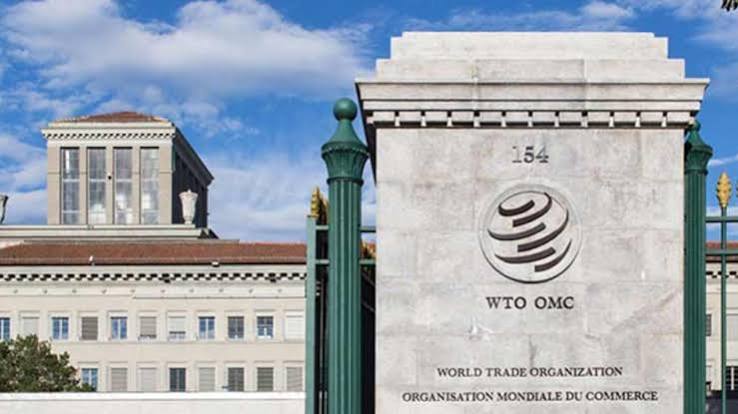
GENEVA — India is set to undergo its 8th Trade Policy Review (TPR) at the World Trade Organization (WTO) headquarters in Geneva, with sessions scheduled for July 21 and July 23, 2026. This comprehensive peer-review process evaluates India’s trade policies and economic performance for the period spanning January 1, 2021, to December 31, 2025, providing a platform to highlight the country’s emergence as a rapidly growing global economic powerhouse.
Commerce Secretary Rajesh Agarwal is leading the official Indian delegation, which will present the nation's policy priorities and engage with WTO members. The TPR is a critical transparency mechanism under the WTO, conducted by the Trade Policy Review Body (TPRB), which encompasses the entire membership of the organization.
Demonstrating Economic Resilience
The review period reflects a transformative era for the Indian economy. Following the global uncertainties of the pandemic, India has sustained high growth rates, positioning itself as one of the fastest-growing major economies in the world.
According to government data, India’s total exports of merchandise and services hit an all-time high of US$ 863.1 billion in 2025–26, marking a 6.3 per cent growth over the 2021–22 figures. This performance has been bolstered by significant reforms, including the rationalization of the Goods and Services Tax (GST) structure and the strategic expansion of Free Trade Agreements (FTAs).
Focus on Digital Transformation and Reforms
A central theme of this 8th Trade Policy Review is India's aggressive pursuit of digital and process-driven reforms. Ahead of the review, Indian delegations have showcased the country’s "whole-of-government" approach to customs modernization.
Key digital initiatives drawing interest from WTO members include:
Unified Payments Interface (UPI): Revolutionizing digital financial inclusion.
Paperless Customs: Extensive digitalization efforts, including faceless and contactless clearance systems that have significantly reduced transaction costs and improved trade facilitation.
TFA Plus Measures: India’s commitment to exceeding its baseline Trade Facilitation Agreement (TFA) obligations under the National Trade Facilitation Action Plan (NTFAP 3.0).
Global Engagement and Transparency
Transparency remains at the heart of the TPR process. As of July 20, 2026, WTO members have submitted more than 900 questions for India’s written response, reflecting profound international interest in India’s economic trajectory.
These inquiries cover a diverse array of topics, including:
Digitalization and technology-related reforms.
Development of Micro, Small, and Medium Enterprises (MSMEs).
Enhancing women’s participation in the economy.
The impact of national flagship programs such as Viksit Bharat and Atmanirbhar Bharat Abhiyan.
More than 40 WTO members are expected to deliver statements during the review, providing a platform for India to outline its future vision for economic development and respond to member concerns.
Why It Matters
For investors and global trading partners, this review serves as a "shop window" for India's economic environment. By participating in the TPR, India reinforces its commitment to predictability and openness in the global trading system. For domestic businesses, the review is an opportunity to showcase success stories of integration into global value chains, potentially attracting further investment as India continues to refine its regulatory and trade facilitation frameworks.
Key Facts at a Glance
Review Event: 8th Trade Policy Review (TPR) of India.
Dates: July 21 and July 23, 2026.
Review Period: January 1, 2021, to December 31, 2025.
Delegation Lead: Commerce Secretary Rajesh Agarwal.
Export Milestone: US$ 863.1 billion in merchandise and services in 2025–26.
FAQ
What is the objective of the Trade Policy Review?
The TPR is a transparency mechanism designed to provide a comprehensive peer review of a member's trade policies, ensuring greater understanding, predictability, and openness in the global trading system.
How often does India undergo this review?
As a major trading nation, India's trade policies are subject to review at the WTO every five years.
Does the TPR have the power to penalize countries?
No, the TPR is not an enforcement body. It is a structured conversation aimed at enhancing transparency and compliance rather than adjudication or punishment.
Source: Ministry of Commerce & Industry (PIB), World Trade Organization (WTO), ANI News