Twelve Indian states raised ₹21,491 crore through the Reserve Bank of India’s State Development Loans auction on July 21, 2026, slightly missing the ₹21,700 crore target. Cut-off yields ranged between 7.31% and 7.71%. Concurrently, the RBI released draft rules simplifying Foreign Exchange Management (Non-debt Instruments) regulations for public comments.
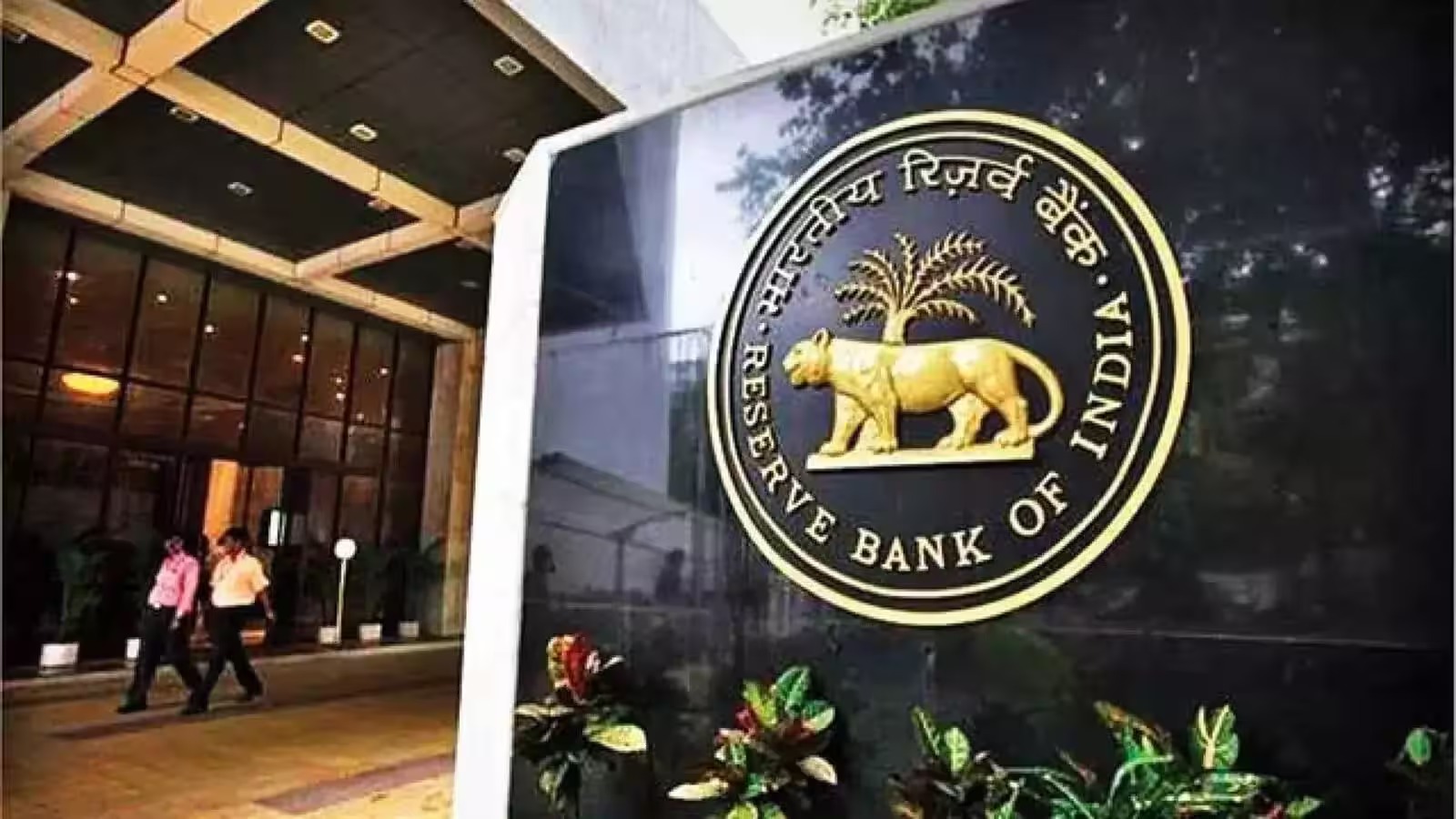
MUMBAI — Twelve state governments across India raised a cumulative ₹21,491 crore through the issuance of State Development Loans (SGL) on July 21, 2026, falling slightly short of the targeted ₹21,700 crore borrowing mark. According to official auction results released by the Reserve Bank of India (RBI), the state development loans auction reflected steady market appetite across a diverse mix of short, medium, and long-term debt tenures, alongside strategic partial acceptances and rejections by select states.
In a separate regulatory development released concurrently on Tuesday, the central bank issued draft rules proposing the rationalization of the Foreign Exchange Management (Non-debt Instruments) Rules, 2019, inviting public and stakeholder comments to streamline cross-border investment frameworks.
State Development Loans Auction Results and Yield Cut-Offs
The weekly State Development Loans auction saw active participation from institutional investors, with yields settling in line with prevailing money market conditions. The state development loans auction featured key re-issues of existing state government securities (SGS) alongside fresh paper issuances ranging from 7-year to 27-year maturities.
State government securities (SGS) cut-offs across major borrowing states included:
Uttar Pradesh: The re-issue of 7.74% UP SGS 2038 (issued June 10, 2026) yielded a cut-off price/yield of 7.5795%, while the 7.82% UP SGS 2046 paper settled at 7.7047%.
Kerala: The re-issue of 7.86% Kerala SGS 2042 (issued April 15, 2026) logged a cut-off of 7.7139%, whereas the long-dated 7.83% Kerala SGS 2049 paper closed at 7.6998%.
Tamil Nadu: The re-issue of 7.39% Tamil Nadu SGS 2034 closed at 7.3778%, while the 7.59% Tamil Nadu SGS 2041 re-issue settled at 7.5897%.
Madhya Pradesh: Cut-offs stood at 7.39% for its 8-year paper, 7.58% for its 12-year loan, and 7.7098% for the re-issued 7.83% MP SGS 2048 security.
Delhi: Recorded a cut-off of 7.31% for its 7-year loan, alongside a 7.5995% cut-off for the re-issue of its 7.75% Delhi SGS 2041 paper.
Chhattisgarh: Cut-offs for the re-issued 7.83% SGS 2040 and 7.82% SGS 2048 settled at 7.6955% and 7.6980%, respectively.
Bihar & West Bengal: Bihar secured funds across 15-year (7.66%) and 18-year (7.71%) tranches, while West Bengal issued 9-year loans at 7.58% and 21-year loans at 7.71%.
Odisha & Uttarakhand: Both states established cut-off yields at 7.70% for their respective offerings.
Strategic Rejections and Partial Allocations
The market dynamics during Tuesday's auction highlighted prudent debt management by individual state treasuries responding to interest rate expectations.
Assam accepted a partial amount of ₹9.91 billion (₹991 crore) in its 10-year paper at a cut-off yield of 7.56%, exercising its option to retain less than the full notified amount. Meanwhile, the Union Territory of Jammu and Kashmir opted not to accept any bids in the re-issue of its 7.60% J&K SGS 2038 paper (originally issued July 8, 2026), while successfully placing its ultra-long 7.81% J&K SGS 2051 re-issue at a cut-off of 7.6989%.
Market analysts noted that such selective rejections indicate states' reluctance to lock into higher borrowing costs when yield demands from primary dealers and institutional buyers exceed internal benchmark expectations.
Draft Rules on Foreign Exchange Non-Debt Instruments
Alongside the state development loans auction metrics, the Reserve Bank of India announced draft amendments aimed at rationalizing the Foreign Exchange Management (Non-debt Instruments) Rules, 2019.
The draft guidelines seek to simplify administrative procedures, improve clarity around foreign direct investment (FDI) entries, and reduce compliance burdens for international investors. The central bank has placed the draft framework in the public domain to solicit feedback from market participants, regulatory bodies, and industry stakeholders.
Practical Implications for Markets and Investors
The state development loans auction outcomes carry direct significance for fixed-income investors, banking institutions, and broader fiscal management:
Yield Curve Trends: Cut-off yields ranging between 7.31% and 7.71% reflect a stable state-level yield curve, providing predictable returns for long-term institutional investors such as pension funds and insurance firms.
Liquidity Management: The overall shortfall of ~₹209 crore against targeted borrowing indicates disciplined supply management by states, preventing over-supply pressures on sovereign bond spreads.
Regulatory Modernization: The proposed FEMA non-debt rules rationalization is anticipated to improve ease of doing business, potentially unlocking greater cross-border equity inflows into Indian corporate sectors.
Key Facts at a Glance
Total Amount Raised: 12 Indian states raised ₹21,491 crore via state development loans, slightly below the target of ₹21,700 crore.
Lowest and Highest Yields: Cut-off yields ranged from 7.31% (Delhi 7-year paper) to 7.71% (Bihar 18-year and West Bengal 21-year papers).
Auction Discretion: Assam accepted a reduced amount of ₹9.91 billion, while Jammu & Kashmir completely rejected bids for its 2038 re-issue paper.
Regulatory Reform: RBI issued draft rules proposing updates to Foreign Exchange Management (Non-debt Instruments) Rules, 2019 for public feedback.
FAQ
What are State Development Loans (SDLs)?
State Development Loans (SDLs) are debt securities issued by state governments in India to fund budgetary requirements and infrastructure projects. They are managed and auctioned by the Reserve Bank of India.
Why did Jammu & Kashmir reject bids for its 2038 bond re-issue?
Issuing entities reserve the right to reject bids if the yields demanded by investors are higher than the issuer's targeted borrowing costs, helping the government avoid excessive debt service liabilities.
How does the state development loans auction affect retail investors?
While state development loans are primarily bought by institutional investors like banks and provident funds, their cut-off yields set benchmark rates for state-backed savings instruments and long-dated debt mutual funds.
What is the objective of the draft FEMA Non-Debt Instruments rules?
The draft rules aim to streamline, simplify, and clarify foreign exchange regulations governing non-debt investments (such as equity and foreign direct investment) in India.
Official Sources