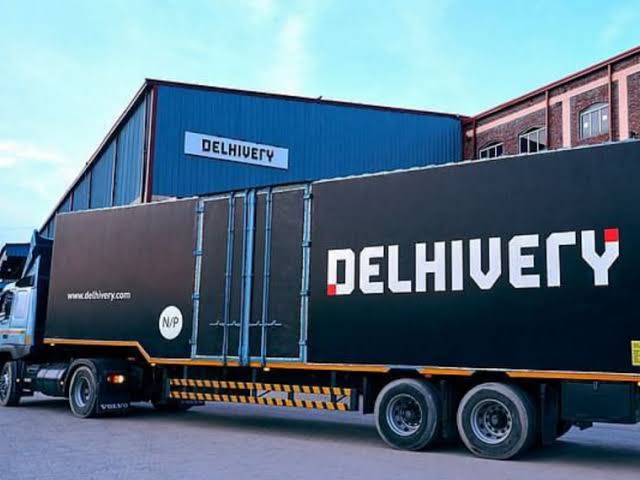
Delhivery Limited has received a regulatory tax order detailing a primary tax demand of ₹64.7 million, interest of ₹76.1 million, and a ₹6.5 million penalty. The logistics firm is actively reviewing the notice to challenge it through legal channels, assuring stakeholders that operations remain unaffected.
Gurugram-based logistics firm Delhivery Limited has disclosed a fresh regulatory order involving a primary tax demand, accumulated interest, and associated penalties.
Delhivery Limited, a leading integrated supply chain and logistics services provider, has received an official tax demand order from regulatory authorities. According to regulatory filings released by the company, the order comprises a primary tax demand of ₹64.7 million, alongside an interest demand of ₹76.1 million and a penalty of ₹6.5 million. This development adds to a series of routine compliance and tax-related reviews faced by corporate entities operating within India's complex indirect tax framework.
The company has indicated that it is currently reviewing the details of the order with its legal and tax advisors to determine the appropriate next steps. Management has consistently maintained that such regulatory notices and corresponding demands do not create a material adverse impact on the company's ongoing day-to-day operations or its overall financial standing.
Regulatory Context and Corporate Response
Corporate tax and indirect tax compliance in India often involve technical interpretations regarding input tax credit eligibility, classification of logistics services, and transitional provisions under various state and central statutes. For logistics heavyweights like Delhivery, periodic audits by tax authorities are standard procedure given the pan-India nature of their operations, warehousing networks, and multi-state transport manifests.
In line with regulatory requirements under SEBI guidelines, Delhivery promptly informed the stock exchanges regarding the receipt of the order. The company intends to exercise its statutory rights to contest the demand before the appropriate appellate authorities, following established legal channels for dispute resolution.
Market and Investor Implications
For institutional investors, retail shareholders, and market analysts, tax demands of this nature are closely monitored to assess potential cash flow contingencies. However, given Delhivery's robust balance sheet and active operational scaling, market sentiment has remained stable. Analysts note that litigation and appeals regarding tax interpretations can take extended periods to resolve, during which companies typically utilize legal stays or pre-deposit mechanisms without disrupting core business activities.
The logistics sector as a whole continues to navigate evolving tax compliance standards, emphasizing the need for robust automated ERP and GST tracking systems to mitigate historical disallowances and classification disputes.
Why It Matters
For businesses and investors, this case highlights the operational realities of managing multi-state tax compliance in India's logistics sector. While the financial figures require administrative attention, the company's proactive legal recourse ensures that routine tax disputes are managed transparently without creating systemic financial vulnerabilities.
Key Facts at a Glance
Tax Demand: ₹64.7 million.
Interest Demand: ₹76.1 million.
Penalty Imposed: ₹6.5 million.
Company Response: Reviewing the order to pursue legal remedies and appeal before appropriate authorities.
Frequently Asked Questions
What is the total financial implication of the recent order received by Delhivery?
The order comprises a tax demand of ₹64.7 million, an interest demand of ₹76.1 million, and a penalty of ₹6.5 million.
How is Delhivery responding to the tax demand?
The company is reviewing the order with tax advisors and plans to contest the notice through appropriate legal and appellate channels.
Will this order impact Delhivery's daily operations?
Management has confirmed that the order does not have any material impact on the company's financial health, operational continuity, or business activities.
Source: BSE Limited, National Stock Exchange of India (NSE), Delhivery Investor Relations, Central Board of Indirect Taxes and Customs (CBIC)