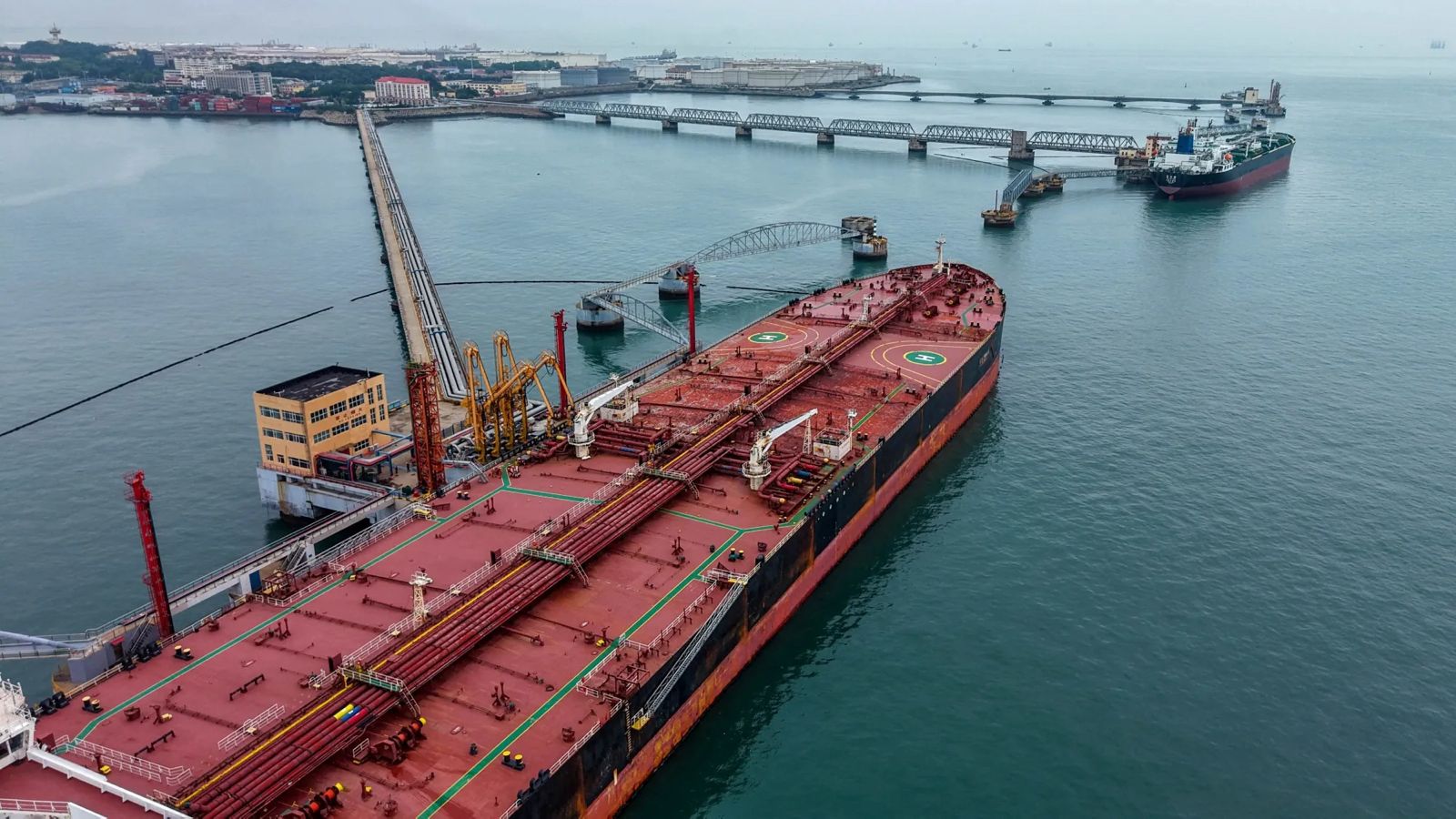
Indian oil refiners have temporarily halted crude oil liftings from Iraq amid escalating security threats and navigation hazards in the Strait of Hormuz. The disruption forces domestic processors to diversify sourcing toward alternative international markets to safeguard India's vital energy supply chain.
Indian refiners suspend Iraqi crude liftings as escalating security risks in the Strait of Hormuz threaten vital Middle Eastern energy shipping corridors.
Indian oil refiners have temporarily halted crude oil liftings from Iraq following mounting security threats and escalating maritime tensions in the Strait of Hormuz. According to official industry reports and trade sources released on July 21, 2026, state-owned and private refiners in India have suspended tanker chartering operations through the strategic waterway. The disruption comes as regional conflicts and maritime embargoes heighten risks for commercial crude oil tankers navigating the vital shipping lane.
As one of India's primary suppliers of crude oil, Iraq accounts for a significant share of the country's daily energy imports. The sudden suspension forces domestic processing units to re-evaluate their logistical supply chains and explore alternative sourcing arrangements to maintain steady refinery operations.
Escalating Maritime Risks in the Strait of Hormuz
The Strait of Hormuz serves as a critical global energy chokepoint, through which a major portion of the world's petroleum passes daily. Recent geopolitical escalations and security incidents near the Bab al-Mandab Strait and the Persian Gulf have significantly raised insurance premiums and operational risks for oil tankers.
According to trade analysts and maritime safety reports, shipping companies have reported severe navigation hazards, prompting refiners to adopt a cautious stance. Halting crude oil liftings from Iraq prevents potential vessel detainment, cargo loss, and exorbitant marine insurance hikes, safeguarding operational assets.
Impact on Domestic Energy Refiners and Fuel Consumers
For Indian energy refiners, diversifying crude sourcing away from the Middle East is becoming an urgent operational priority. Companies are ramping up spot purchases from alternative suppliers, including Russia, West Africa, and Latin America, to offset potential supply deficits from Iraqi ports.
Energy economists note that prolonged disruptions in the Strait of Hormuz could exert upward pressure on domestic fuel costs and refining margins. While commercial stockpiles currently cushion immediate shortages, sustained supply chain redirection will require agile logistical coordination across India's major refining hubs.
Why It Matters
For India's macroeconomic stability and energy sector, secure access to Middle Eastern crude is vital. The suspension of Iraqi oil liftings highlights vulnerabilities in global maritime supply chains, forcing refiners to pivot toward alternative international markets to protect domestic fuel supplies.
Key Facts at a Glance
Affected Region: Strait of Hormuz and Iraqi crude loading terminals.
Action Taken: Indian refiners temporarily halt tanker liftings and chartering operations.
Primary Driver: Escalating geopolitical tensions and maritime safety risks.
Strategic Response: Refiners exploring alternative crude sourcing from Russia, West Africa, and Latin America.
Frequently Asked Questions
Why have Indian refiners halted oil liftings from Iraq?
Refiners suspended operations due to escalating security risks and navigation hazards for tankers transiting through the Strait of Hormuz.
How significant is Iraq as an oil supplier to India?
Iraq is traditionally one of India's largest and most reliable suppliers of crude oil, providing a substantial portion of its daily import requirements.
What alternative steps are refiners taking?
Refiners are actively redirecting tanker routes and sourcing alternative spot cargoes from regions such as Russia, West Africa, and Latin America.
Source: Reuters Energy News, Ministry of Petroleum and Natural Gas, Government of India, S&P Global Commodity Insights, Bloomberg Markets