Prime Minister Narendra Modi and Indonesian President Prabowo Subianto signed a series of strategic deals in Jakarta this week, focusing on critical minerals, steel production, and maritime security. The agreements aim to integrate industrial supply chains and strengthen defense cooperation, marking a major milestone in the nations' Comprehensive Strategic Partnership.
Prime Minister Narendra Modi and President Prabowo Subianto finalized a landmark agreement to bolster cooperation in critical minerals and steel manufacturing during a high-level summit in Jakarta.
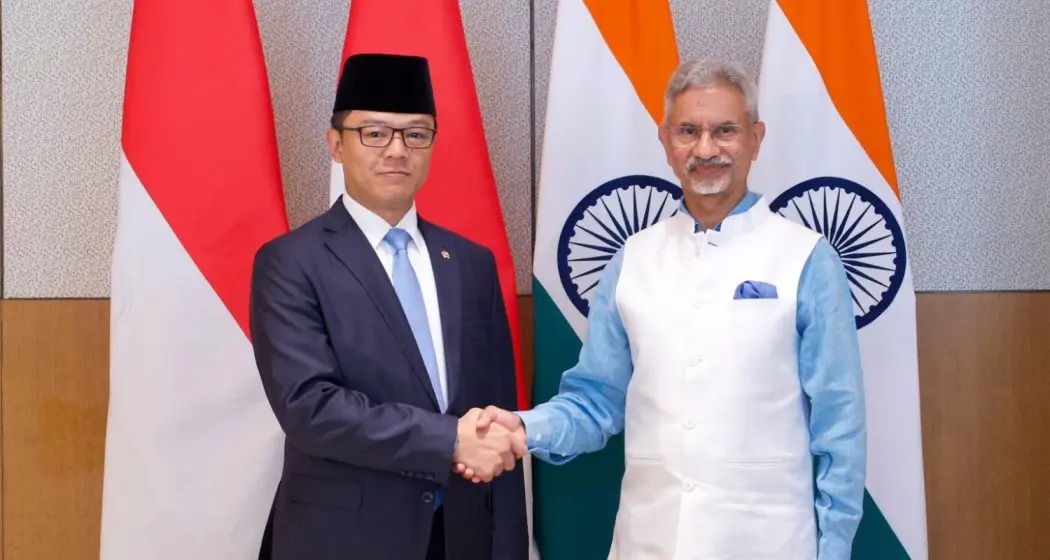
JAKARTA — Indian Prime Minister Narendra Modi and Indonesian President Prabowo Subianto officially cemented a series of strategic agreements on Tuesday, July 7, 2026, aimed at strengthening industrial supply chains and enhancing bilateral economic resilience. Central to the dialogue was a pact to collaborate on critical minerals and technologies for the steel supply chain, a move designed to secure the raw materials necessary for both nations' transition to clean energy and advanced manufacturing.
The state visit, which marks a significant escalation in the India-Indonesia Comprehensive Strategic Partnership, comes as both nations seek to reduce reliance on third-party dominant markets for essential industrial inputs. Under the new framework, India will support the establishment of manufacturing capabilities for nickel, steel, and rare earth permanent magnets within Indonesia.
Deepening Industrial and Strategic Cooperation
The focus on critical minerals is viewed as a "nickel diplomacy" initiative, positioning India to better access Indonesia's world-leading reserves of raw materials. By integrating India’s industrial expertise with Indonesia’s resource-rich landscape, the partnership aims to create a more resilient pipeline for the electric mobility and renewable energy sectors.
Beyond mineral cooperation, the two leaders presided over the signing of approximately eight agreements covering a broad spectrum of sectors, including telecommunications, medical products, agricultural technology, and disaster management. These pacts are intended to institutionalize the economic relationship and facilitate joint investments between the two nations.
Security and Maritime Connectivity
The bilateral agenda also placed significant emphasis on security cooperation, with a finalized framework for maritime safety and security. A cornerstone of this initiative is the joint development of Sabang Port, which overlooks the strategically vital Strait of Malacca. The project is seen as a move to enhance regional connectivity and maritime surveillance, lying just 100 miles from India’s own Great Nicobar port project.
Defence ties were similarly elevated, with Indonesia set to import India's indigenous Astra air-to-air missiles and expand its inventory of BrahMos supersonic cruise missiles. These moves reinforce a growing network of coastal missile deployments across Southeast Asia, aligning with Prime Minister Modi’s "MAHASAGAR" vision for a free and open Indo-Pacific.
Why It Matters
For businesses and investors, this partnership offers a more predictable supply chain for vital resources like nickel—a key component for electric vehicle (EV) batteries. By formalizing this "golden chapter" in relations, both nations are signaling a shift toward regional self-sufficiency, reducing vulnerability to global market shocks and strengthening their collective position in the Indo-Pacific manufacturing landscape.
Key Facts at a Glance
Mineral Security: India will invest in the manufacturing of steel, nickel, and rare earth permanent magnets within Indonesia.
Strategic Infrastructure: The two nations agreed to jointly develop the Sabang port to bolster maritime connectivity.
Defence Upgrades: Indonesia will procure Indian Astra air-to-air missiles and expand its BrahMos missile inventory.
Tech Collaboration: India will provide support to Indonesia for the development of country-specific Electronic Voting Machines (EVMs).
Economic Goal: Both governments have targeted the expansion of bilateral trade to $100 billion by 2030.
FAQ
What are the primary critical minerals covered under the new deal?
The agreement specifically targets the development of steel, nickel, and rare earth permanent magnets, which are essential for EVs and advanced electronics.
Why is the Sabang Port project significant?
Located near the Strait of Malacca, the port serves as a critical maritime chokepoint. Its development aims to improve regional security, counter-piracy operations, and trade flow.
How does this deal impact India’s energy transition?
Securing access to Indonesian nickel processing is vital for India’s domestic EV battery production and its broader clean energy goals, reducing dependence on dominant foreign suppliers.
Official Sources