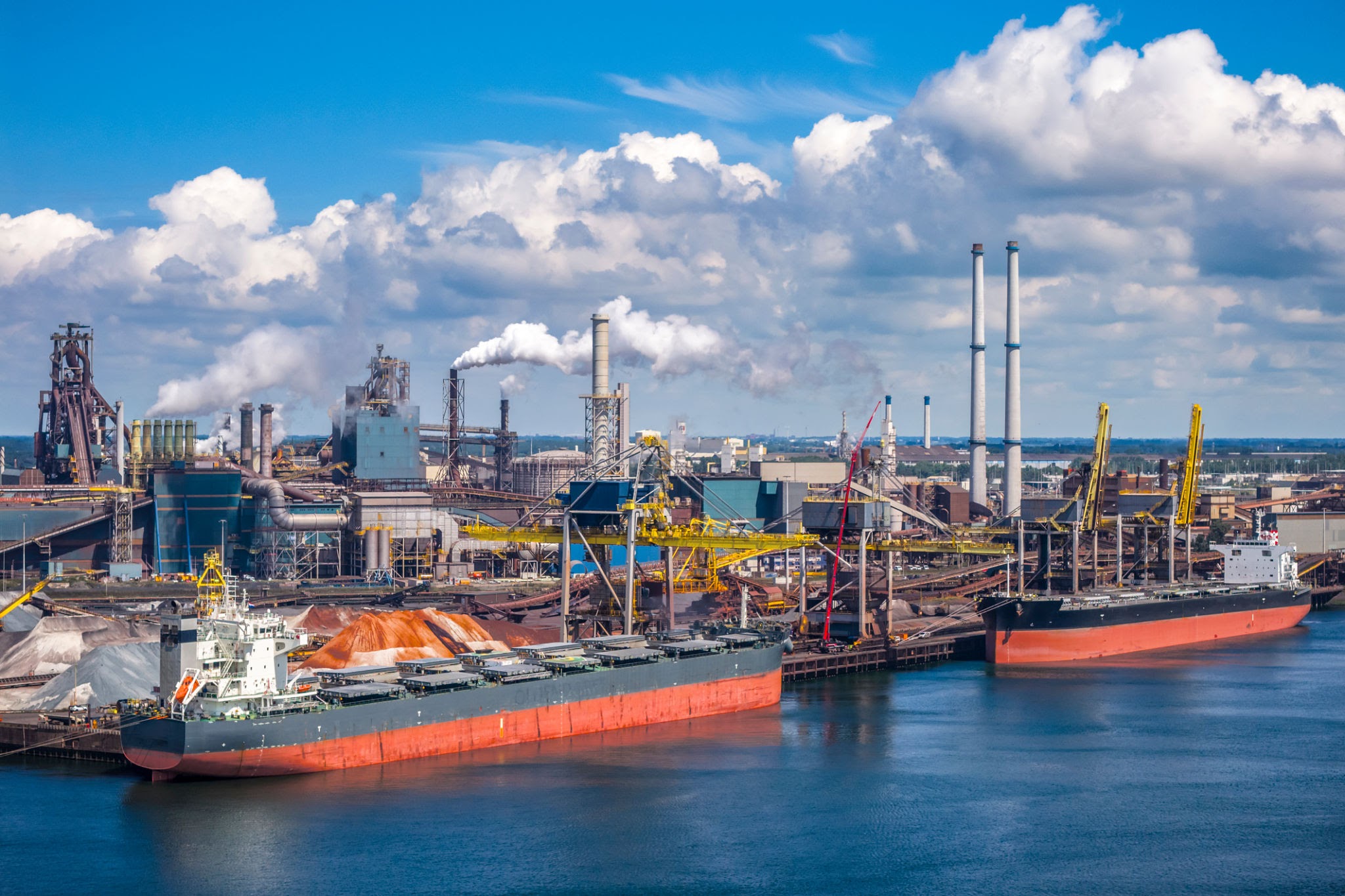
India's manufacturing output expanded by 7.8% year-on-year in June 2026, accelerating overall industrial production growth to 7.3%. According to Ministry of Statistics data released on July 28, heavy gains in electrical equipment, automotive manufacturing, and capital goods production signaled strong domestic demand and investment resilience.
NEW DELHI — India's industrial output expanded by 7.3% year-on-year in June 2026, significantly outperforming market expectations of 5.7%, according to official economic data released by the government. The growth was anchored by a 7.8% surge in manufacturing output during the same period. Simultaneously, government trade figures revealed a notable uptick in agricultural exports for the first half of the year (January–June), marked by a surge in wheat shipments and a 5% increase in total rice exports, demonstrating broad-based strength across India's industrial and agricultural supply chains.
Manufacturing and Industrial Output Exceed Expectations
The 7.3% surge in the Index of Industrial Production (IIP) for June 2026 beat the consensus Reuters forecast of 5.7% by 160 basis points. The sharp expansion was primarily driven by manufacturing output, which accounts for over three-fourths of the total industrial index and grew 7.8% year-on-year.
Analysts attribute the stronger-than-expected industrial metrics to sustained domestic demand, resilient capital goods production, and robust operational activity across key manufacturing hubs. The positive momentum signals healthy economic activity entering the second quarter of the fiscal year, helping buffer the domestic economy against global trade uncertainties.
First-Half Grain Exports Show Robust Surge Across Key Commodities
Official government data for the January–June 2026 period highlights significant movements across India’s major agricultural export categories:
Wheat Exports: Shipments of wheat expanded dramatically to 161,187 metric tons during the first six months, up from just 1,463 metric tons during the corresponding period last year.
Non-Basmati Rice: Non-basmati rice exports increased 9.6% year-on-year, reaching 8.9 million metric tons as demand across African and Asian markets remained strong.
Basmati Rice: Premium basmati rice shipments contracted 5.5% year-on-year to 3.36 million metric tons, reflecting shifting price dynamics and altered purchasing schedules in key Middle Eastern markets.
Total Rice Shipments: Despite the dip in basmati volumes, total rice exports grew 5% year-on-year to 12.27 million metric tons, underpinned by heavy non-basmati demand.
Macroeconomic Impact on Markets and Global Trade
The simultaneous acceleration in factory output and agricultural trade provides a dual boost to India's macroeconomic indicators. Higher manufacturing output reinforces corporate earnings estimates and industrial employment stability, while rising agricultural exports support foreign exchange inflows and rural trade balance.
For domestic businesses and agricultural traders, the expanding export volumes for wheat and non-basmati rice reflect improving surplus management and streamlined logistics at major commercial ports. Meanwhile, institutional investors view the industrial beat as evidence of sustained domestic economic resilience.
Official Sources Section
According to official economic reports, ministry updates, and government releases:
Quote Section
According to official releases and government trade representatives:
"According to officials, industrial performance in June was anchored by strong manufacturing activity that exceeded consensus forecasts, while agricultural export figures demonstrate sustained international demand for Indian food grains through the first half of the year."
Why It Matters
The combination of higher-than-expected industrial output and expanding grain exports underscores the strength of India's dual economic engines: manufacturing and agriculture. For consumers and businesses, stable factory growth supports product availability and job creation, while rising agricultural trade helps bolster rural incomes and reinforces India's position as a vital global supplier of staple food commodities.
Key Facts at a Glance
Industrial Output (IIP): Grew 7.3% Y/Y in June 2026, beating the Reuters consensus estimate of 5.7%.
Manufacturing Surge: Factory output expanded 7.8% year-on-year in June.
Wheat Export Jump: Jan–June wheat exports reached 161,187 metric tons, up from 1,463 metric tons year-over-year.
Total Rice Exports: Rose 5% Y/Y to 12.27 million metric tons, driven by an 8.9 million metric ton performance in non-basmati rice.
Frequently Asked Questions (FAQ)
What was India's industrial output growth rate in June 2026?
India's industrial output (IIP) grew by 7.3% year-on-year in June 2026, outpacing the market forecast of 5.7%.
How much did manufacturing output expand in June?
Manufacturing output expanded by 7.8% year-on-year in June 2026, serving as the main driver behind the overall industrial index beat.
What drove the increase in India's total rice exports?
Total rice exports rose 5% year-on-year to 12.27 million metric tons between January and June, driven by a 9.6% surge in non-basmati rice exports (8.9 million metric tons).
How did wheat exports perform in the first half of the year?
Wheat exports jumped significantly to 161,187 metric tons from 1,463 metric tons in the same period a year earlier.
Source: Ministry of Statistics and Programme Implementation (MoSPI), Ministry of Commerce and Industry, APEDA