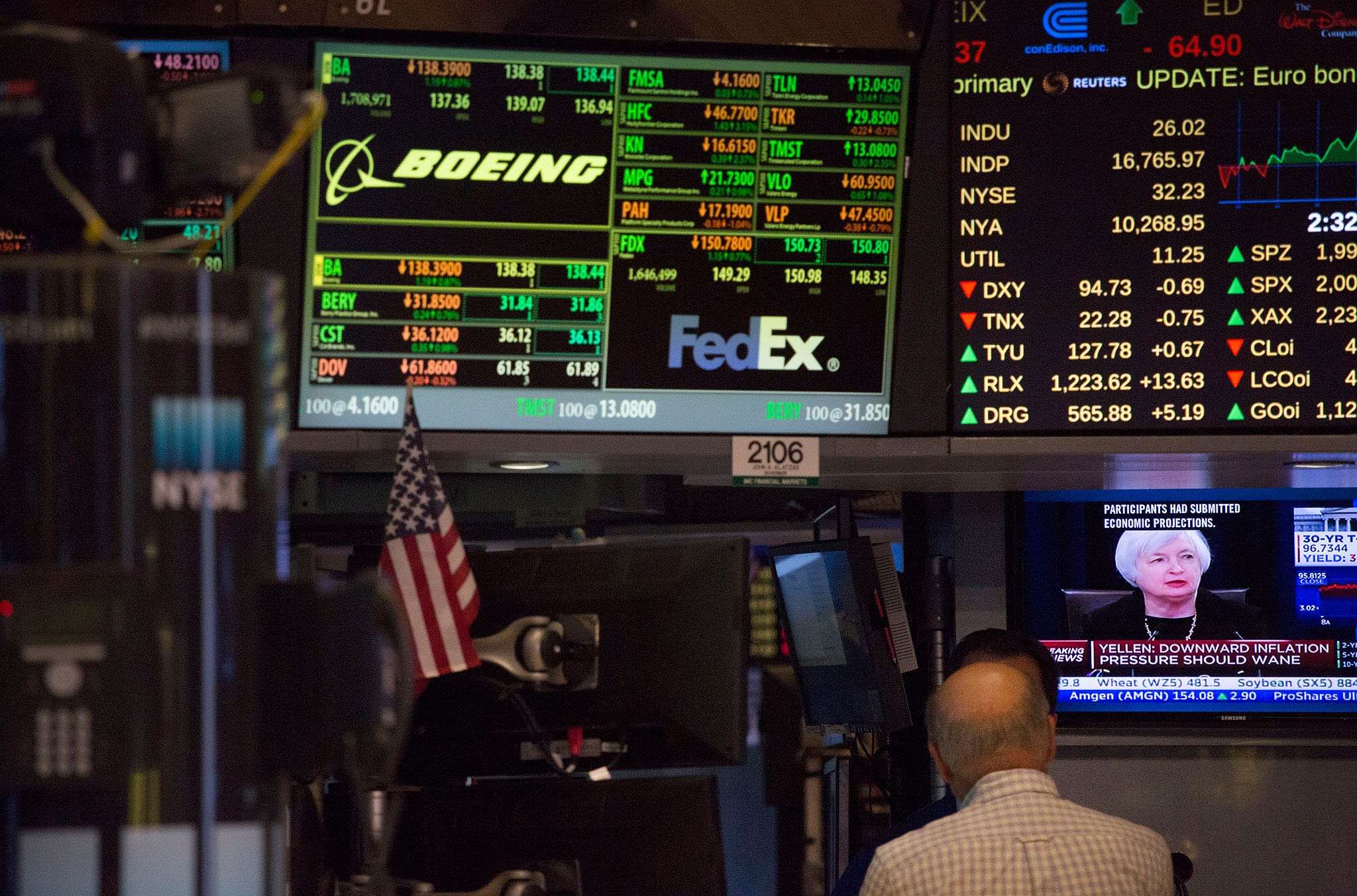
A comprehensive Reuters survey reveals that professional economists have raised their 2026 Inflation Forecasts across 39 out of 50 major economies compared to previous April estimates. Despite lingering cost pressures and persistent energy volatility, global real economic expansion is projected to stay steady at 2.9% in 2026 and 3.1% in 2027.
Global Economy Faces Stiff Headwinds as Price Pressures Accelerate
LONDON / WASHINGTON — Economists across the world have significantly upgraded their 2026 Inflation Forecasts for 39 out of 50 major economies, reflecting entrenched sticky price inflation driven by energy market fluctuations, lingering trade friction, and robust industrial demand. According to the latest comprehensive survey conducted by Reuters, while overall price increases will take longer to cool than originally expected, baseline projections for global economic growth remain firmly unchanged at 2.9% for 2026 and 3.1% for 2027.
The figures match the consensus trajectory established in the April polling cycle, indicating that while aggregate output is demonstrating notable resilience, persistent consumer price momentum is constraining central bank efforts to ease monetary policy.
Regional Divergence and Key Economic Growth Drivers
The updated survey highlights a distinct divergence across major economic zones. While supply chain rerouting and higher input costs continue to test advanced market central banks, major drivers such as artificial intelligence infrastructure spending and fiscal support packages have prevented a broader global economic slowdown.
United States: Backed by tax incentives and heavy enterprise investment in technological hardware, the U.S. economy continues to expand steadily, though core service inflation remains elevated.
Eurozone: Growth projections reflect modest momentum, buoyed by targeted fiscal spending in Germany and service sector strength in Southern Europe, offset by higher imported energy costs.
Emerging Markets & Asia: Asian hardware exporters continue to gain from the global technology cycle, while energy-importing developing nations face heightened pressure from currency depreciations and imported goods pricing.
What Mainstream Economic Indicators Signal for 2026–2027
Economic researchers emphasize that the upward revision in 2026 Inflation Forecasts reflects structural shifts rather than transient price spikes. The recalibration of global supply chains, alongside higher transportation tariffs and rising wage growth in services, has established a higher baseline floor for core price indices.
Nevertheless, the baseline 2.9% GDP expansion forecast for 2026 demonstrates that private sector balance sheets and household consumption have absorbed elevated interest rate regimes better than initially feared.
Official Sources Section
According to official survey summaries released by Reuters Polling Desk, macroeconomic data points were collected from hundreds of international economic experts across advanced and developing economies.
Supplementary macro evaluation frameworks provided in recent reports from the International Monetary Fund (IMF) and the Organisation for Economic Co-operation and Development (OECD) confirm that while global disinflation momentum stalled in early 2026, underlying capital expenditure in technology and defense has provided structural stability to world growth.
Quote Section
"According to market economists and official survey respondents, the persistent elevation in core inflation metrics means central banks will have limited leeway for aggressive interest rate cuts through the remainder of the year. While aggregate growth figures remain intact, the cost of living burden continues to weigh on household real purchasing power."
Why It Matters
The global shift in 2026 Inflation Forecasts carries direct economic consequences for businesses, consumers, and institutional investors:
For Consumers: Elevated core inflation implies sustained higher prices for daily essentials, housing, and services, prolonging household budget squeezes despite wage increases.
For Businesses: Operating costs remain elevated due to higher logistics and input expenditures, narrowing profit margins for non-tech sectors.
For Investors: Central banks are expected to maintain "higher-for-longer" monetary policy stances, influencing fixed-income yields, currency valuations, and equity market allocations.
For Borrowers: Mortgage rates and commercial borrowing facilities will likely decline at a much slower rate than market participants anticipated earlier in the year.
Key Facts at a Glance
Inflation Upgrades: Survey respondents raised 2026 Inflation Forecasts for 39 out of 50 evaluated major economies.
Global GDP Forecasts: Global growth projections stand firm at 2.9% in 2026 and 3.1% in 2027, unchanged from April polling.
Key Growth Vectors: Enterprise artificial intelligence deployment, tech supply chain demand, and targeted public sector fiscal spending.
Monetary Policy Impact: Persistent price pressures are slowing down the expected pace of rate cuts by major global central banks.
FAQ Section
Why were the 2026 inflation forecasts revised upward?
Economists revised their 2026 Inflation Forecasts due to persistent service sector cost pressures, geopolitical energy volatility, rising shipping costs, and firming industrial demand.
Is the global economy expected to enter a recession in 2026?
No. Official survey consensus indicates stable global growth of 2.9% in 2026 and 3.1% in 2027, supported by technology sector investment and resilient private consumption.
How does this forecast affect central bank interest rates?
With inflation remaining stickier across major economies, central banks like the Federal Reserve, ECB, and Bank of England are projected to keep benchmark interest rates higher for longer to bring price growth back toward target rates.
Source: Official poll dataset from Reuters Polling Desk, supplemented by economic data releases from the International Monetary Fund, the Organisation for Economic Co-operation and Development, and J.P. Morgan Global Research.