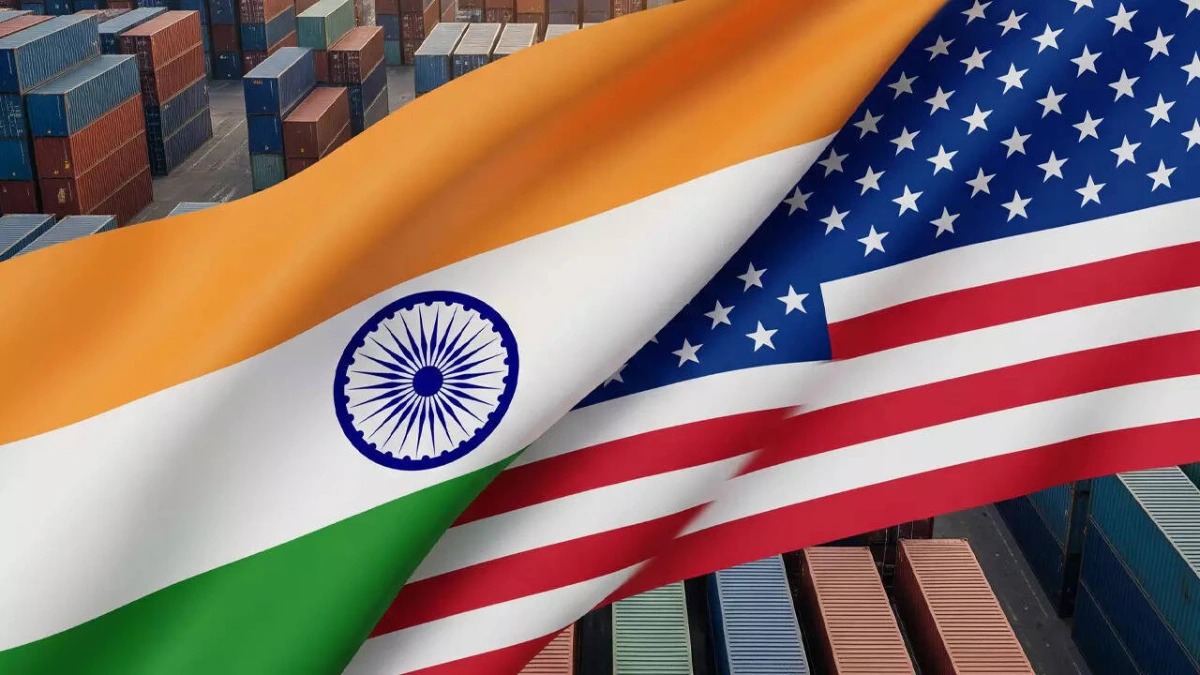
A senior trade official confirmed India is pushing for preferential tariffs in its upcoming US trade deal, linking its finalization to the conclusion of the USTR Section 301 probe. Backed by rising April-May 2026 goods exports, India is also recording steady progress in wrapping up its pending trade pact with the UK.
The government of India is aggressively seeking a preferential tariff framework compared to competing export economies as part of its ongoing bilateral trade negotiations with Washington. Speaking on condition of anonymity, a senior India trade official confirmed on June 8, 2026, that the finalization of the highly anticipated India-US trade deal will remain conditional on the formal conclusion of the Office of the United States Trade Representative (USTR) Section 301 investigation. The development emerges as both nations move past major textual roadblocks, seeking to preserve bilateral economic margins against regional trade rivals.
High Stakes Over Section 301 Forced Labor Investigation
The timing of New Delhi's tariff assertion coincides with a sweeping regulatory maneuver by Washington. On June 2, 2026, the USTR released preliminary findings from a comprehensive Section 301 investigation examining supply chain vulnerabilities and forced labor import protocols across 60 global economies. Under the newly proposed American tariff structure, Washington plans to levy a uniform 10 percent base surcharge on nations maintaining strict import bans, while imposing a more demanding 12.5 percent duty on 48 countries—including India—lacking an equivalent unilateral restriction framework.
India's commercial negotiators are firmly pushing back against the country-wide categorization. According to the senior official, New Delhi expects its finalized trade pact to override these broad penalties, securing a specialized preferential tariff lower than the general 12.5 percent baseline designated for competing regional hubs.
Surging Goods Exports Buffer India's Global Position
The assertive stance taken by Indian negotiators is backed by strong domestic economic indicators. Official state logs confirm that India goods exports in April-May 2026 are up significantly on a year-on-year basis, driven by massive manufacturing expansions in electronics, pharmaceuticals, and specialized engineering items.
Data compiled for April 2026 showed standalone merchandise exports surging to $43.56 billion, compared to $38.28 billion clocked during the same phase in the prior fiscal year. This sustained export volume to Western markets provides New Delhi with necessary leverage, proving that Western supply chains remain dependent on Indian component sourcing to execute critical "China plus one" manufacturing diversification strategies.
Parallel Gains Logged in India-UK Trade Framework
Beyond the American corridor, India's commerce ministry is managing multi-front free trade engagements. The trade official noted that India-UK trade negotiators have recently made definitive progress in closing outstanding technical issues holding up the implementation of their respective trade deal.
The remaining sticking points—historically focused on complex rules of origin for automotive components, intellectual property frameworks, and relaxed visa access for tech professionals—have entered specialized drafting loops. The official stated that negotiators are rapidly clearing secondary clauses to ensure the British framework can be finalized shortly after the transatlantic US deal reaches a legal resolution.
Impact on Exporters, Capital Markets, and Global Supply Chains
The intersection of the Section 301 probe and tariff negotiations carries heavy operational significance for international corporate segments:
For Labor-Intensive Exporters: Shippers handling high-volume categories like textiles, leather goods, and handloom crafts stand to secure significant margins if India successfully negotiates its way out of the 12.5 percent penalty tier.
For Multinational Corporations: Tech and hardware aggregators managing cross-border production lines receive a much-needed layer of long-term predictability, protecting their outbound pricing models.
For Global Logistics Planners: A finalized treaty with built-in preferential tariff lines will permanently cement the subcontinent's status as a premier alternative manufacturing destination to East Asian production grids.
Official Sources Section
Regulatory perspectives, data on export surges, and institutional guidelines are mapped in accordance with formal state frameworks. These include statutory guidelines issued by the Ministry of Commerce and Industry, Government of India, project tracking metrics from the Press Information Bureau (PIB) New Delhi, and trade case files published by the Office of the United States Trade Representative (USTR).
Quote Section
Indian administrative leaders emphasize that bilateral agreements must remain balanced and reflect local manufacturing compliance.
"According to officials, the structural elements of the India-US trade deal are largely mature, but final implementation can only be cleanly executed once the USTR Section 301 probe concludes and clarifies long-term tariff baselines."
The trade official added that India’s robust export performance throughout the early quarters of 2026 demonstrates that its manufacturing ecosystem can sustain rigorous compliance verification while expanding global outreach.
Why It Matters
The practical implications of these high-level negotiations extend deep into the global macroeconomic arena. If India successfully levers its position to secure preferential tariff treatment over competing economies under the Section 301 resolution, it guarantees a lasting price advantage for thousands of domestic manufacturing firms supplying the North American market. Conversely, linking the final signature to the conclusion of the USTR probe protects Indian corporate interests from unexpected post-deal tariff changes, establishing a transparent, legally insulated framework for billions of dollars in cross-border corporate investments.
Key Facts at a Glance
Tariff Stance: India is actively demanding a preferential tariff compared to competing export nations within the pending US trade pact.
The Condition: Officials explicitly tie the finalization of the India-US trade deal to the formal conclusion of the USTR Section 301 probe.
Export Momentum: Trade data confirms that India goods exports in April-May 2026 have registered a firm year-on-year increase.
European Front: Parallel negotiations show significant progress in closing outstanding technical issues impeding the India-UK trade deal.
Key Risk: The pending USTR forced labor investigation threatens a 12.5 percent baseline tariff if regulatory alignment is not achieved.
Frequently Asked Questions
Why is the USTR Section 301 investigation affecting the India-US trade deal?
The Section 301 probe proposes fresh tariffs based on how nations handle forced labor import bans. India wants its final trade agreement to explicitly insulate domestic exporters from these country-wide penalties before signing.
How are Indian exports performing amid these complex trade talks?
India's merchandise exports have shown strong resilience, with April-May 2026 figures up significantly year-on-year, led by heavy volumes in engineering products, electronics, and pharmaceuticals.
What is the status of India's trade negotiations with the United Kingdom?
Negotiators have made steady progress in resolving outstanding administrative and structural issues, placing the India-UK trade agreement on track for potential closure alongside the US deal.
Source: Ministry of Commerce and Industry, Government of India, Office of the United States Trade Representative (USTR) Archive, Press Information Bureau (PIB) Delhi.