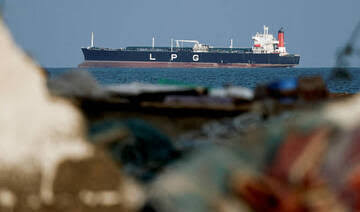
India is aggressively pursuing diplomatic assurances to guarantee safe passage for nine commercial vessels traversing the Strait of Hormuz. Amid concerns of a weakening truce, New Delhi is working to protect its energy supply lines and prevent potential disruptions to international trade that could impact domestic fuel costs.
NEW DELHI – The Indian government is engaged in urgent diplomatic efforts to ensure the safe passage of nine Indian-flagged commercial vessels through the Strait of Hormuz. The initiative follows reports that a regional truce has begun to falter, raising concerns about the security of critical energy and trade corridors essential to India’s economy.
Senior officials at the Ministry of External Affairs (MEA) confirmed on Wednesday that New Delhi is coordinating with regional partners and international maritime authorities to monitor the safety of its merchant fleet. The Strait of Hormuz, a vital artery for global oil and gas shipments, has seen increased military posturing, prompting India to seek guarantees for the unhindered movement of its vessels.
Escalating Tensions in the Strait of Hormuz
The region surrounding the Strait of Hormuz has experienced heightened instability since reports emerged that a fragile ceasefire agreement is under pressure. This maritime chokepoint handles a significant portion of the world's petroleum supply, and any disruption to the safe passage of cargo ships could have immediate impacts on global energy prices and supply chain continuity.
According to industry reports, Indian shipping companies are closely monitoring the situation. The vessels in question are reportedly carrying essential commodities, including refined petroleum products and chemical feedstocks. The Indian Navy, maintaining a presence in the region under its mission-based deployment strategy, is reportedly facilitating communications to ensure that commercial traffic remains insulated from local conflicts.
Impact on Energy Security and Global Trade
For India, maintaining safe passage through this corridor is not merely a matter of commercial interest but a pillar of national energy security. A substantial volume of India’s crude oil imports transits through these waters. Disruptions, or even the perception of heightened risk, can lead to increased insurance premiums for maritime logistics providers and potential delays in the arrival of critical energy supplies.
Businesses that rely on maritime logistics are bracing for potential rerouting strategies. Shipping analysts suggest that if the security situation does not stabilize, regional maritime operators may be forced to utilize longer, more expensive routes, which would inevitably translate into higher costs for consumers and industries alike. The current diplomatic push by the Indian government is designed to prevent such contingencies by securing clear pathways and ensuring real-time threat intelligence for vessel captains.
Official Sources
"According to officials, the government is working through all available diplomatic channels to ensure the safety and security of Indian-flagged vessels. The priority is to maintain the safe passage of commercial fleets while ensuring that regional stakeholders adhere to international maritime laws despite the current atmosphere of tension," a government spokesperson stated.
Why It Matters
The Strait of Hormuz is arguably the most critical maritime chokepoint in the world. For India, the stability of this route directly affects the inflation rate, as fuel prices are highly sensitive to supply disruptions. By taking a proactive stance, New Delhi is attempting to mitigate the risk of a broader economic impact and protect its maritime assets from becoming collateral damage in local geopolitical disputes.
Key Facts at a Glance
Vessel Status: India is negotiating safe passage for nine commercial ships currently operating near the Strait of Hormuz.
Energy Impact: The Strait is a primary transit point for India's oil and gas imports; instability threatens energy supply chains.
Diplomatic Strategy: New Delhi is leveraging its regional relationships to secure transit guarantees following a faltering truce.
Maritime Security: Indian naval assets in the region are coordinating with international agencies to monitor transit risks.
FAQ
Why is the Strait of Hormuz significant to India?
It is a vital maritime chokepoint through which a significant portion of India’s crude oil and natural gas imports pass, making it essential for national energy security.
What is the government doing to protect these ships?
The government is working through diplomatic channels to secure safe passage guarantees and is utilizing naval monitoring to ensure the safety of the merchant fleet.
How will this affect consumers?
If passage is disrupted, shipping costs could rise, potentially leading to higher fuel prices and increased costs for imported goods that rely on these transit routes.
Is the Indian Navy involved?
Yes, the Indian Navy maintains a persistent presence in the region and is coordinating with maritime authorities to track vessel safety.
Source: Ministry of External Affairs, Directorate General of Shipping, International Maritime Organization