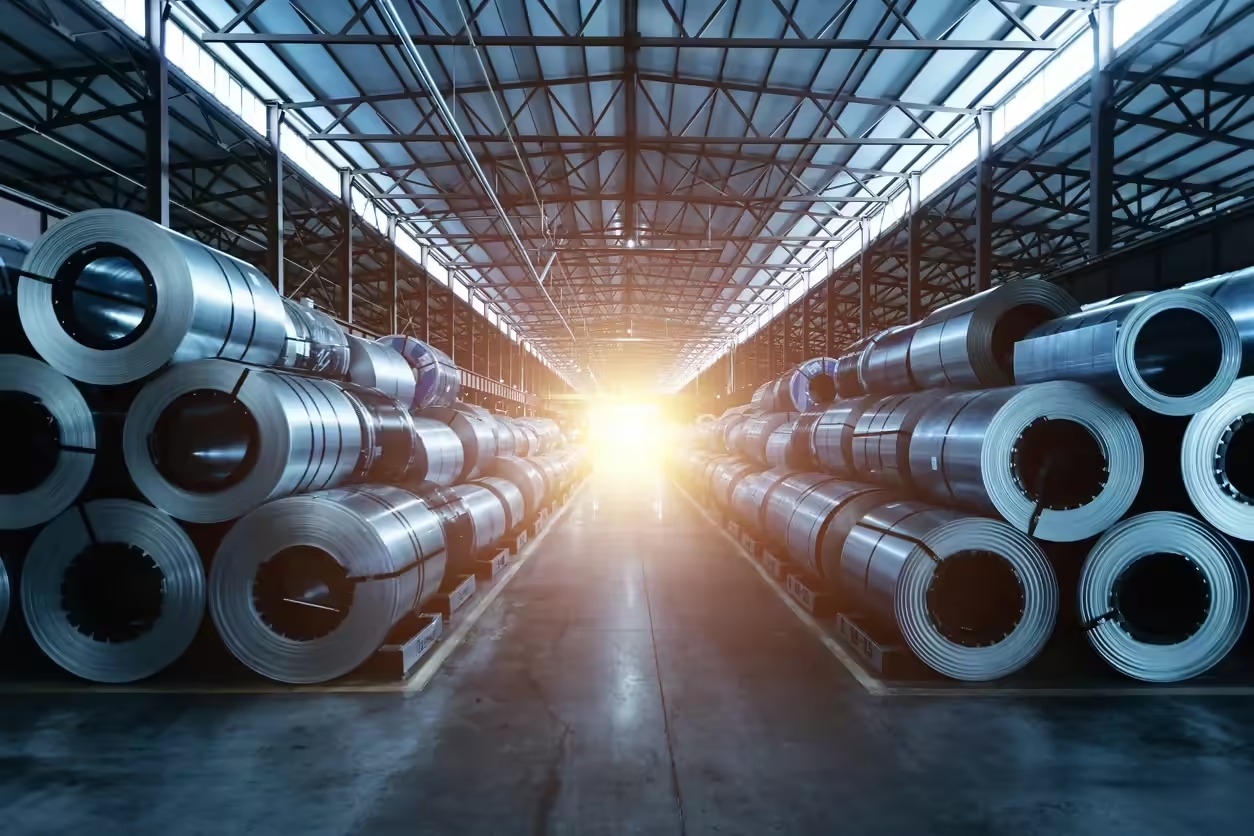
India’s steel demand surged to 41.6 million tonnes in the first quarter of FY2026, driven by intense infrastructure and manufacturing activity. With both production and consumption rising, the sector continues to play a vital role in India's industrial expansion and the national government’s ongoing capital expenditure program.
Robust infrastructure spending and a surge in manufacturing activity have propelled India's domestic steel demand to new quarterly heights.
NEW DELHI — India’s steel demand reached a significant milestone in the first quarter of the 2026 fiscal year, recording 41.6 million tonnes as both domestic production and consumption continued a steady upward trajectory. This growth underscores the nation's ongoing industrial expansion, fueled by massive capital outlays in transportation, urban development, and energy infrastructure projects.
Government data released this week confirms that the steel sector remains a primary driver of India's manufacturing prowess. As the country moves toward its long-term industrialization goals, the record demand for steel highlights the resilience of the domestic market despite global economic fluctuations.
Infrastructure Projects Drive Consumption
The surge in demand is largely attributed to the government's continued focus on large-scale infrastructure. Major projects, including the expansion of national highway networks, the development of high-speed rail corridors, and the construction of new ports, have created a consistent requirement for finished steel products.
According to industry reports, the manufacturing sector has also played a pivotal role in boosting steel consumption. The automotive and construction industries have shown consistent quarter-on-quarter growth, prompting steel producers to ramp up operational capacity. Manufacturers are currently operating at high utilization rates to meet the requirements of both public and private sector projects, signaling a healthy balance between supply and demand.
Domestic Production Scaling Up
To address the growing appetite for raw materials, Indian steel producers have increased production volumes across integrated and secondary steel mills. The industry has benefited from modernized manufacturing processes that prioritize high-grade steel output, which is essential for specialized infrastructure needs.
This increase in production has helped maintain price stability in the domestic market, even as global steel supply chains face pressure from fluctuating international commodity costs. Industry experts note that the integration of energy-efficient technologies has allowed producers to optimize costs while expanding total output to keep pace with the nation’s appetite for steel.
Official Sources and Market Reporting
Official filings and government statistical releases confirm that the 41.6 million tonnes figure represents a major expansion compared to the same period in previous years. Data tracked by the Ministry of Steel reflects a proactive approach to managing the nation's industrial output.
"Organizers stated that the data reflects a sustained period of growth driven by the 'Make in India' initiative, which has encouraged domestic production to meet rising national demand," according to a recent report issued by the government's planning and monitoring desk.
Why It Matters
For the broader economy, the high demand for steel is a key performance indicator of India's developmental momentum. For citizens, this translates into continued progress on long-delayed infrastructure and transportation links. For investors, the surge in steel consumption indicates strong underlying health in the industrial sectors, providing confidence in the long-term viability of infrastructure-focused stocks and the broader manufacturing ecosystem.
Key Facts at a Glance
Quarterly Demand: Steel demand reached 41.6 million tonnes in Q1 FY2026.
Primary Drivers: Increased investment in infrastructure, urban development, and manufacturing.
Sector Health: Production and consumption are both trending upward, indicating market stability.
Government Role: The Ministry of Steel continues to facilitate high-output targets to support national development goals.
Frequently Asked Questions
1. Why is India's steel demand growing?
The growth is primarily driven by large-scale government infrastructure projects, such as highways and railways, alongside a robust manufacturing sector that requires industrial-grade steel.
2. Is domestic supply meeting the demand?
Yes, India's steel industry has successfully scaled production to keep pace with consumption, ensuring that the country remains self-reliant for the majority of its construction requirements.
3. What sectors consume the most steel in India?
The construction and infrastructure sectors are the largest consumers, followed closely by the automotive and capital goods manufacturing industries.
4. How does steel demand impact the average citizen?
Higher steel demand signifies active infrastructure development, which translates to better connectivity, more housing projects, and increased employment opportunities in the industrial sector.
Source: Ministry of Steel, Joint Plant Committee (JPC).