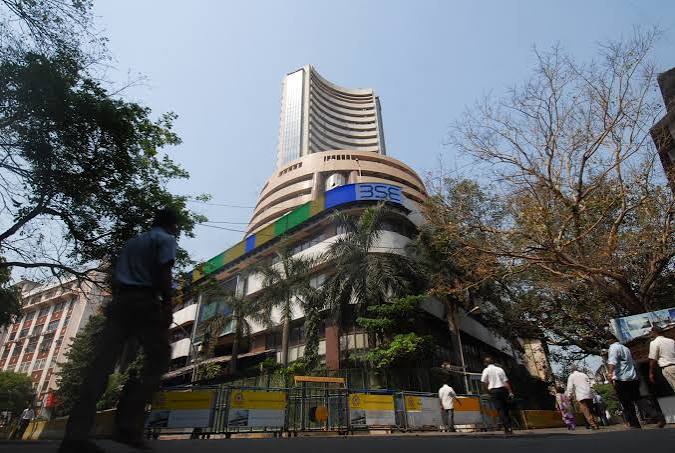
Indian markets remain rangebound on July 15, 2026, as the landmark India-UK trade deal takes effect, offering long-term growth prospects despite a lukewarm start to the Q1 earnings season. Key sectors in focus include automotive, IT services, and financials as investors navigate the new regulatory and trade landscape.
MUMBAI — Indian equity markets are expected to trade with a cautious, rangebound bias on Tuesday, July 15, 2026, as participants weigh the implementation of a historic trade pact against a tepid start to the fiscal year’s first-quarter earnings season. GIFT Nifty futures indicated a flat opening for the session, with investors balancing the long-term optimism surrounding the India-UK Comprehensive Economic and Trade Agreement (CETA) against ongoing volatility in the IT and automotive engineering sectors.
Landmark Trade Pact Takes Effect
The India-UK CETA, which comes into effect today, is set to reshape trade dynamics by providing duty-free access to nearly 99% of Indian exports in the British market. The agreement introduces significant shifts in customs and regulatory frameworks, offering potential growth catalysts for sectors including textiles, leather, footwear, gems and jewellery, and engineering goods.
A standout feature of the deal is the landmark tariff cut in the automotive sector. For the first time under a free trade agreement, India has committed to phasing down customs duties on fully built passenger vehicles and trucks imported from the UK, reducing them from 110% to 10% over the coming years. While this opens the door for premium British brands, the agreement includes a five-year protection window for domestic electric vehicle (EV) manufacturers.
Stocks in Focus: Earnings and Sectoral Trends
Market participants are closely monitoring specific stocks following recent developments and quarterly disclosures:
IT & Engineering Services: Companies like Tata Elxsi and Tata Technologies remain under scrutiny as the automotive ER&D sector grapples with cost-cutting pressures from European OEMs. Sentiment in the IT space has been influenced by a mix of project pipeline updates and broader industry outlooks.
Biocon: The pharmaceutical firm continues to be a focal point for investors following reports of stake sales by promoter group entities.
Rallis India: The company reported strong Q1 performance, with net profit nearly doubling to ₹95 crore, capturing investor interest in the agri-business space.
Financials: With HDFC Life, ICICI Prudential Life Insurance, and other major financial institutions set to announce quarterly results today, the banking and insurance sectors are expected to see heightened activity.
Infrastructure: NBCC and other infrastructure players remain relevant as the market tracks project wins and government procurement opportunities, which have been further expanded by the new UK trade framework.
Official Sources and Market Context
According to the Ministry of Commerce and Industry, the India-UK trade agreement is expected to bolster professional mobility and digital trade, alongside traditional merchandise exports. Trade experts note that the treaty-backed access to 40,000 high-value central government procurement contracts across transport and green energy sectors represents a significant new opportunity for both Indian and UK firms that satisfy local content requirements.
Regarding market performance, analysts highlighted that the current rangebound movement reflects a "wait-and-watch" approach. "Markets started the week on a weak tone as the beginning of the first quarter earnings season for the financial year 2025-2026 failed to impress investors," market observers noted.
Why It Matters
The implementation of the CETA is more than a tariff reduction exercise; it signals a strategic shift toward long-term economic integration. For businesses, the agreement necessitates a reassessment of supply chains, sourcing, and distribution operations. For investors, the immediate impact on stock prices may be secondary to how individual companies leverage the new duty-free access and procurement opportunities to improve margins and expand market share.
Key Facts at a Glance
Trade Pact: India-UK CETA becomes operational on July 15, 2026, providing duty-free access for 99% of Indian exports.
Automotive Shifts: Import tariffs on UK-manufactured passenger vehicles will be phased down from 110% to 10%.
Earnings Watch: Key results expected today include HDFC Life, ICICI Prudential Life, and Bank of Maharashtra.
Sectoral Focus: Investors are weighing robust agri-business growth (e.g., Rallis India) against challenges in automotive engineering software.
FAQ
How does the India-UK trade deal impact retail consumers?
Consumers may see lower prices for imported British goods such as Scotch whisky, salmon, chocolates, and premium cosmetics over time as tariffs are reduced.
What is the status of Indian EV protection?
The trade deal provides a five-year protection window for domestic electric vehicle manufacturers before preferential market access for UK-made EVs fully scales up.
Why are IT and automotive stocks under pressure?
The sector has seen volatility due to concerns over slowing R&D spending by European automotive clients, which has impacted the outlook for engineering services firms.
Source: Angel One, Upstox, Business Standard, India Briefing, The Economic Times