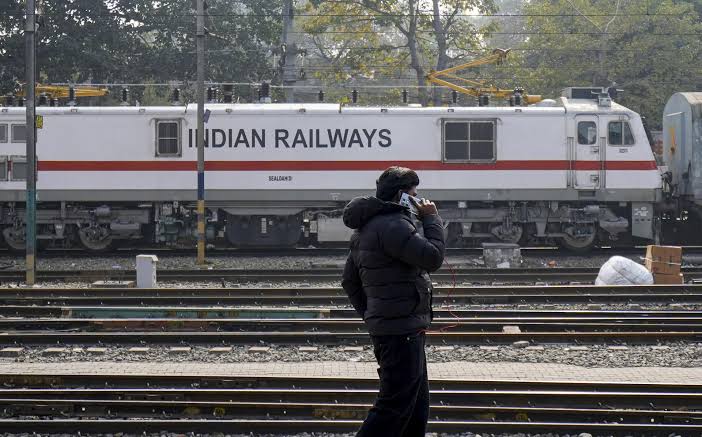
Indian Railways has introduced new public-private partnership models, including OMT and DBOM frameworks, to unlock a ₹2.62 trillion asset monetisation pipeline. The initiative aims to modernize freight terminals and railway stations by leveraging private capital while retaining sovereign asset ownership.
NEW DELHI — Indian Railways has rolled out specialized public-private partnership (PPP) frameworks and novel commercial models aimed at unlocking private capital across a substantial ₹2.62 trillion asset monetisation pipeline.
Part of the broader National Monetisation Pipeline 2.0 (NMP 2.0) framework running through 2030, the strategic shift is designed to accelerate infrastructure upgrades across goods and passenger networks. By deploying structured concession agreements, design-build-operate (DBO) frameworks, and operate-maintain-transfer (OMT) models, the Ministry of Railways seeks to draw institutional capital while retaining ultimate ownership of national transportation assets.
Modernizing Freight Networks and Station Terminals
The capital-raising blueprint encompasses multifaceted infrastructure segments, most notably freight terminal modernization and station redevelopment. Under the updated guidelines, Indian Railways plans to establish and upgrade hundreds of freight terminals utilizing Design-Build-Operate-Maintain (DBOM) contracts. Furthermore, select railway stations are slated for commercial rejuvenation into multi-utility urban centers under long-term OMT structures.
These frameworks allow private operators to manage commercial spaces, retail zones, and passenger amenities while sharing revenue yields with the national transporter over multi-year concession periods.
According to official government releases, NITI Aayog policy documents, and ministry disclosures:
Monetisation Target: An aggregate valuation of ₹2.62 trillion targeted under the NMP 2.0 framework for the 2026–2030 window.
Strategic Models: Integration of DBO, DBOM, and OMT public-private partnership structures.
Asset Segments: Inclusion of freight train operations, private freight terminals, and high-density station redevelopment projects.
Capital Recyclability: Focused on reinvesting unlocked proceeds into rolling stock expansion, dedicated freight corridors, and high-speed network development.
Official Sources Section
Quote Section
"The structured monetisation of operating railway assets under transparent public-private partnership frameworks ensures that capital is recycled efficiently to fund next-generation infrastructure without straining public exchequer resources,"
— stated senior government officials familiar with the NMP 2.0 roll-out.
Why It Matters
For commercial businesses, industrial shippers, and everyday travelers, private participation directly translates to modernized logistics terminals, cleaner station amenities, and reduced transit bottlenecks. For institutional investors, the structured concession frameworks offer predictable, long-term yield opportunities backed by sovereign asset security.
Key Facts at a Glance
Total Pipeline Value: ₹2.62 trillion designated for railway asset monetisation.
Core Execution Tools: Public-private partnerships (PPP) including OMT and DBOM models.
Target Sectors: Freight terminals, station commercial hubs, and specialized logistics corridors.
Ownership Structure: Core physical assets remain under government ownership while operational management is outsourced via long-term concessions.
FAQ Section
What is the total financial size of the railway asset monetisation pipeline?
The National Monetisation Pipeline 2.0 has targeted an aggregate asset monetisation potential of ₹2.62 trillion for Indian Railways between 2026 and 2030.
What private investment models are being introduced?
Indian Railways is deploying Design-Build-Operate (DBO), Design-Build-Operate-Maintain (DBOM), and Operate-Maintain-Transfer (OMT) partnership models.
Does asset monetisation mean Indian Railways is being privatized?
No, official policies clarify that physical ownership of the infrastructure remains with the government, with private entities brought in exclusively for operational management, commercial development, and service delivery under long-term contracts.
Where can stakeholders review official policy guidelines for NMP 2.0?
Comprehensive financial reports and sector breakdowns are published directly through the NITI Aayog Portal and the Ministry of Railways.
Source: Ministry of Railways, NITI Aayog, Press Information Bureau