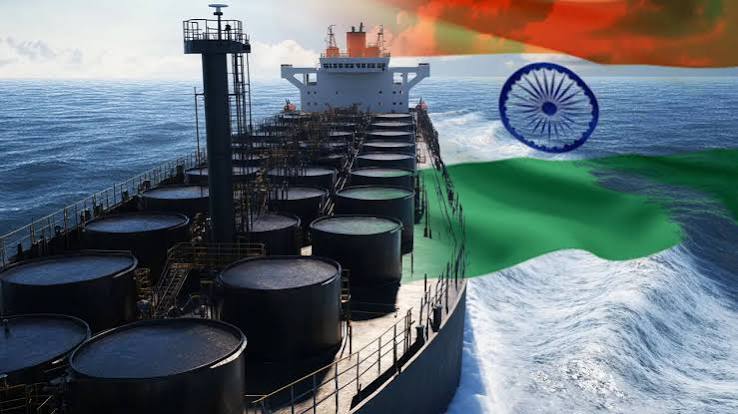
Indian refiners are actively diversifying crude oil sources from Venezuela, Angola, and beyond to bypass volatile Gulf shipping lanes. Amid rising insurance premiums and geopolitical risks in the Strait of Hormuz, India is expanding its supplier base to 41 countries and leveraging strategic reserves to maintain supply stability.
MUMBAI — Indian state-run refiners are intensifying efforts to source crude oil from outside the Persian Gulf as escalating conflict in the region threatens vital shipping chokepoints. With renewed hostilities near the Strait of Hormuz and the Red Sea, the country’s energy firms are testing new crude grades from diverse geographies, including Venezuela and Angola, to ensure that national fuel supplies remain unhindered.
The shift comes as global energy markets face heightened volatility, with Brent crude prices recently climbing past $100 per barrel. The volatility is driven by fears that persistent security threats to tankers near the Bab el-Mandeb Strait and the Strait of Hormuz could choke the flow of oil, which historically accounts for a significant portion of India’s daily imports.
Redefining Energy Security
For India, which relies on imports for approximately 88–89% of its crude oil requirements, the current geopolitical climate has transformed supply-chain management from a commercial task into a strategic priority. The government has significantly expanded its procurement basket, increasing the number of crude-supplying nations from 27 to 41.
Operational Adjustments
Refining companies are increasingly making procurement decisions based on supply availability rather than traditional optimization. With many term contracts originating from the other side of the Strait of Hormuz, refiners are forced to process non-regular grades to maintain refinery throughput.
Diversification: India’s non-Hormuz sourcing for oil and gas has risen to 70%, up from 55%, marking a critical shift in its energy security playbook.
Logistical Pivots: Refiners are exploring alternative routes, including using ports in the UAE and Oman—such as Fujairah and Sohar—to bypass the Strait of Hormuz.
Buffer Management: The government is leveraging its Strategic Petroleum Reserves (SPR) and domestic inventories to manage short-term disruptions, maintaining approximately 45–50 days of crude coverage.
Impact on Economic Metrics
The "Middle East Premium"—the additional cost embedded in oil prices due to regional conflict—is creating tangible fiscal pressure. War-risk insurance premiums for tankers operating in the Gulf have surged by over 1,000% in some cases, with insurance costs for high-risk voyages rising from 0.5% to as much as 5% of a vessel's value.
These elevated costs, combined with longer transit times for rerouted tankers, are contributing to inflationary pressures. Economists warn that a sustained increase in oil prices can widen the current account deficit and place significant downward pressure on the rupee, affecting the broader Indian economy, including transportation, manufacturing, and consumer goods.
Official Sources Section
Information regarding procurement strategies and supply security is based on official briefings from the Ministry of Petroleum and Natural Gas, regulatory filings by state-run refiners, and market analysis provided by the National Stock Exchange (NSE) and BSE Limited. Additional data is sourced from global energy market reports and regional economic monitoring agencies.
Quote Section
According to Vetsa Ramakrishna Gupta, Finance Director at Bharat Petroleum Corp:
"We diversified our crude sourcing outside of the Strait of Hormuz, exploring multiple geographies including two new crude grades from Venezuela and Angola."
Why It Matters
The instability in the Gulf demonstrates the vulnerability of India’s import-heavy energy model. By diversifying suppliers and routes, India aims to reduce its reliance on singular chokepoints. While these shifts involve higher freight and insurance costs, they are considered essential measures to prevent a total supply stoppage that could paralyze domestic industrial and consumer activities.
Key Facts at a Glance
Supplier Base: India has diversified its crude sourcing portfolio from 27 to 41 countries.
Sourcing Shift: Non-Hormuz sourcing for oil and gas has increased to 70%, up from 55%.
Logistics Risk: War-risk premiums for some Gulf shipping routes have surged by over 1,000%.
Inventory Buffer: India currently maintains roughly 45–50 days of crude inventories, including strategic reserves.
FAQ Section
Why are Indian refiners sourcing from countries like Venezuela and Angola?
To mitigate the risk of supply disruptions near the Strait of Hormuz and the Red Sea, refiners are tapping into diverse geographies to ensure stable supply lines.
What is the "Middle East Premium"?
It is the additional cost added to global oil prices due to the risk of military conflict, sanctions, or threats to shipping routes in the Persian Gulf.
How does the rerouting of ships affect consumers?
Longer voyages and higher insurance costs increase the landed price of crude, which can eventually lead to higher prices for diesel, petrol, and consumer goods due to increased transportation costs.
Is India's supply currently at risk?
While oil supplies continue to flow, the industry is preparing for prolonged risks. Refiners are currently focused on managing volatility and elevated logistics costs rather than responding to a total supply stoppage.
Source: Ministry of Petroleum and Natural Gas, The Economic Times, ICRA Ratings, Kpler Energy Analysis