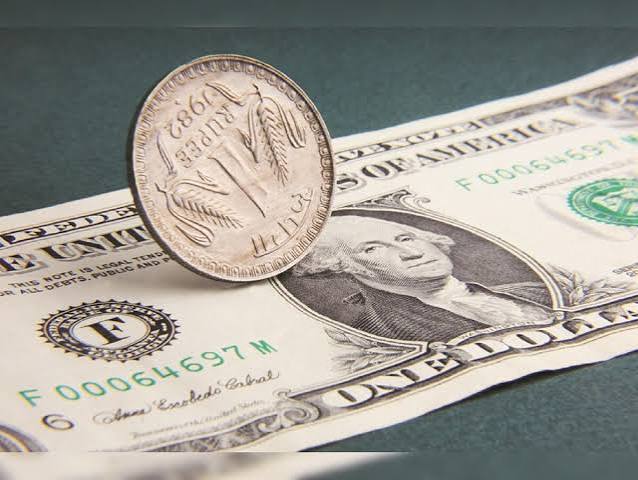
The Indian Rupee fell 0.6% to close at 95.25 against the U.S. dollar on July 1, 2026. The decline follows significant net selling by foreign institutional investors and broader market volatility, raising concerns about imported inflation and increased costs for businesses and travelers amid ongoing global economic shifts.
The Indian Rupee (INR) concluded Wednesday’s trading session at 95.25 per U.S. dollar, reflecting a 0.6% decline from the previous day’s close of 94.66. This drop marks a challenging period for the domestic currency, which has been under consistent pressure from strengthening demand for the greenback and fluctuating foreign institutional investment flows.
Market Volatility and Investor Sentiment
Market analysts attribute the recent volatility in the Indian Rupee to a combination of external and domestic factors. According to recent exchange data, foreign institutional investors (FIIs) have been net sellers in the Indian equity markets, withdrawing ₹2,556.75 crore on June 30. This trend of capital outflows, combined with a stronger U.S. dollar globally, has weighed heavily on the currency's performance.
Investors are also closely monitoring the fiscal landscape. Recent government data indicated that India’s fiscal deficit reached 9.6% of the FY27 budget target by the end of May, totaling ₹1.62 lakh crore. While fiscal discipline remains a focal point for the Reserve Bank of India (RBI) and the Ministry of Finance, the current economic climate—marked by rising global bond yields and ongoing regional tensions—has created a cautious environment for risk assets like the Rupee.
Impact on Consumers and Businesses
The depreciation of the Indian Rupee typically carries immediate implications for the domestic economy:
Imports: A weaker currency makes imports, such as crude oil and electronics, more expensive, which can contribute to imported inflation.
Travel and Education: Citizens planning overseas travel or those funding education abroad will find their costs rising as their domestic purchasing power diminishes against the dollar.
Businesses: Companies reliant on imported raw materials face higher input costs, which may squeeze profit margins unless they can pass those costs on to consumers.
Official Perspectives
While market participants remain cautious, financial experts suggest that the currency’s movement should be viewed through a long-term lens. According to wealth management firms, while short-term cycles cause periodic depreciation, the structural growth story of the Indian economy remains intact.
"The investment case for India is based on long-term structural growth, including a young population and expanding manufacturing," noted industry experts in recent briefings. The RBI continues to manage foreign exchange reserves to ensure market stability, although they rarely comment on specific daily fluctuations.
Key Facts at a Glance
Closing Rate: The Indian Rupee closed at 95.25 against the U.S. dollar on July 1, 2026.
Daily Change: The currency experienced a 0.6% decline, following a previous close of 94.66.
FII Activity: Foreign institutional investors were net sellers of equities, pulling out over ₹2,556 crore in a single day.
Fiscal Context: The government reported the fiscal deficit reached 9.6% of the budget target by the end of May.
Frequently Asked Questions
Why is the Indian Rupee falling against the dollar?
The depreciation is largely driven by net selling by foreign investors, a globally strengthening U.S. dollar, and concerns over international geopolitical stability affecting emerging market currencies.
How does a weak Rupee affect the average citizen?
A weaker Rupee often leads to higher prices for imported goods, including fuel and imported consumer electronics, which may drive up overall inflation.
Is this decline a sign of a long-term economic crash?
Financial experts often characterize such moves as part of short-term market cycles rather than a structural failure. India’s long-term economic growth drivers and foreign exchange reserves are typically seen as cushions against extreme volatility.
Source: Reserve Bank of India (RBI), Ministry of Finance, National Stock Exchange of India