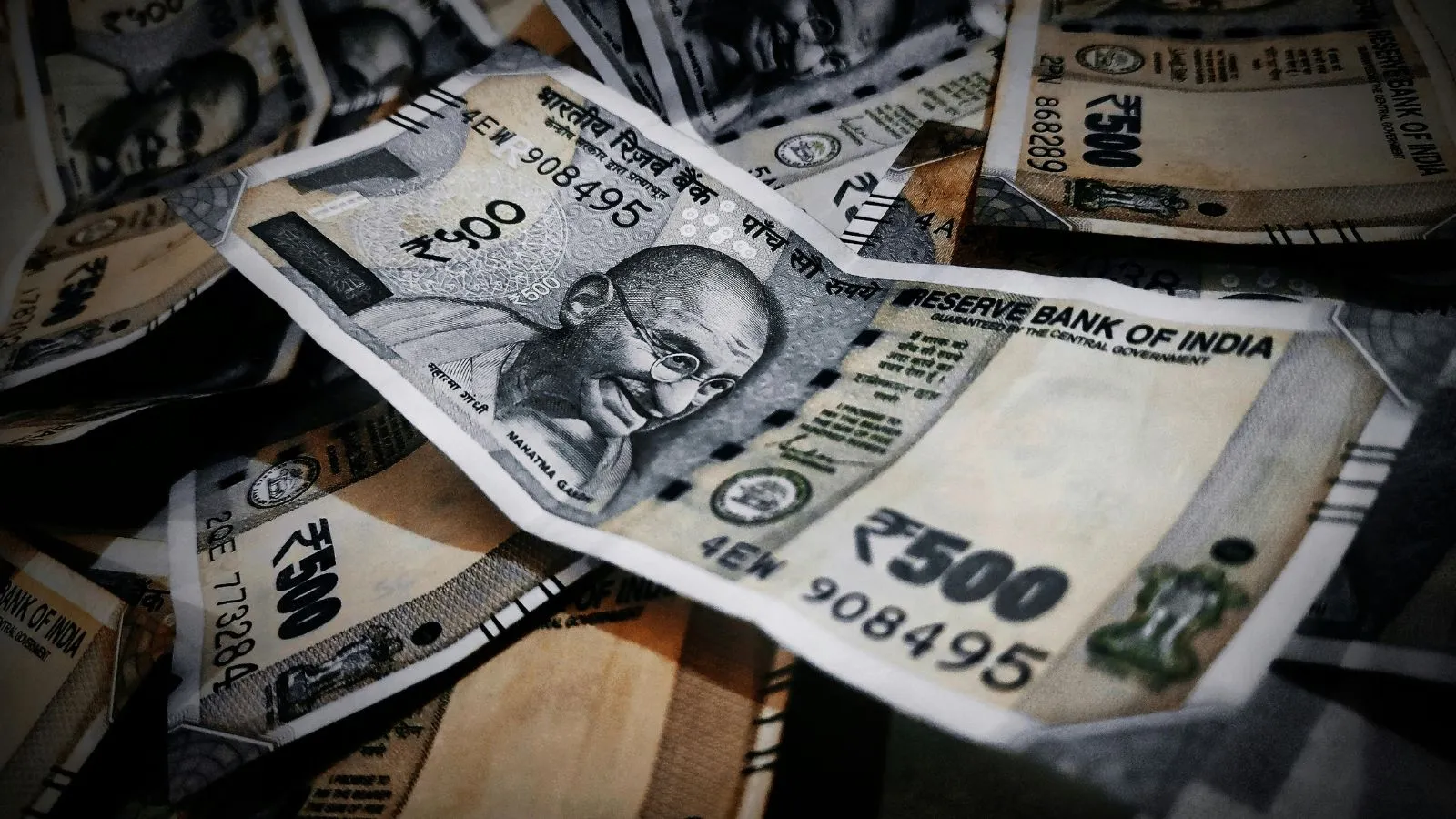
On June 25, 2026, the Indian Rupee rose 0.3% to close at 94.3775 per US Dollar, recovering from a previous close of 94.6650. The recovery was driven by Brent crude dropping to $72.50 per barrel and RBI's strategic foreign deposit swap incentives, boosting foreign institutional investments.
A sharp decline in global crude oil prices and targeted central bank interventions have driven a strong recovery for the Indian currency.
MUMBAI — The Indian Rupee appreciated by 0.3% against the US Dollar on Thursday, June 25, 2026, closing at 94.3775 in afternoon trade, up from its previous close of 94.6650. This recovery comes as a critical relief for the South Asian economy, driven primarily by an aggressive slump in international crude oil prices and structural policy mechanisms deployed by India’s financial regulators. With energy import costs decreasing and foreign capital inflows stabilizing, the domestic currency is putting up its strongest performance in weeks, marking a turning point in its recent macroeconomic trajectory.
Technical Performance and Market Mechanics
According to financial market data recorded at 3:30 p.m. IST, the Indian Rupee (INR=IN) registered a 0.3% increase to hit 94.3775 per US Dollar. The currency opened the trading session on a notably strong foot, capitalizing on immediate dollar liquidation from commercial banks and foreign institutional funds. The day's peak saw the rupee touching 94.1600 before settling near the 94.37 mark.
This momentum represents an ongoing correction from the historical lows of 96.9600 logged in the previous month. Foreign exchange desks in Mumbai reported that the standard trading volume was heavily supported by corporate dollar inflows and unwinding long positions on the greenback. The spot rate movement reflects structural changes in local liquidity conditions, moving tightly between an intra-day high of 94.1600 and a low of 94.6000.
Crude Oil Price Correction and External Accounts
A principal catalyst behind the strengthening of the Indian Rupee is the rapid decline in global energy benchmarks. Brent crude oil futures slipped over 20% within the current month, trading down to $72.50 per barrel during Asian business hours on Thursday. The market correction accelerated as shipping traffic through the critical chokepoint of the Strait of Hormuz returned to standard operational capacity following international diplomatic arrangements.
Because India relies on foreign imports to fulfill over 80% of its domestic petroleum requirements, a collapse in crude oil prices significantly contracts the country's trade deficit. The shrinking import bill has structurally lowered the corporate demand for US dollars, which traditionally exerts downward pressure on the local currency. Data from the Ministry of Commerce indicates that the lower input costs are expected to ease the current account deficit (CAD) projections for the upcoming quarter.
Regulatory Adjustments and Foreign Capital Inflows
Beyond global commodity shifts, strategic frameworks implemented by the Reserve Bank of India (RBI) have effectively anchored the currency's valuation. The central bank recently operationalized a specialized Foreign Currency Non-Resident (FCNR-B) deposit swap facility, permitting domestic commercial banks to swap fresh foreign deposits directly with the RBI. This regulatory safety net effectively absorbs the entire currency hedging cost for long-term deposits, making Indian financial assets highly lucrative for non-resident investors.
Concurrently, the federal government adjusted its fiscal policies by altering withholding taxes on foreign institutional investments (FII) in sovereign debt. According to sovereign regulatory filings, these combined actions have stimulated the most robust foreign portfolio buying of government bonds since August 2024. This inflow of capital has acted as a critical buffer, shielding the domestic market from monetary tightening cycles observed in western economies.
Impact on Businesses, Consumers, and Investors
The appreciation of the Indian Rupee alters economic conditions across multiple sectors:
Corporate Importers: Enterprises specialized in raw material procurement, electronic components, and heavy engineering equipment will experience discounted transactional costs, improving overall operational margins.
Retail Consumers: Sustained currency strength mitigates imported inflation risks. If the rupee sustains its position below the 95.00 threshold, consumers could benefit from stabilized retail prices for oil derivatives, imported food items, and consumer tech.
Outbound Travelers and Students: Individuals funding educational courses or leisure activities overseas face lower converted costs when buying foreign exchange.
Foreign Investors: Enhanced currency stability reduces the risk of exchange-rate depreciation eroding portfolio returns, establishing a predictable environment for asset management.
Official Sources Section
The financial assessments, exchange metrics, and structural data presented in this report are compiled from verified statements by the Reserve Bank of India, international financial exchange clearinghouses, official notifications from the Ministry of Finance, and live tracking data from global market monitors.
Quote Section
"According to officials and market experts, the recent easing of energy prices to pre-war baselines coupled with proactive regulatory swap mechanics has successfully curbed the speculative depreciation bias that plagued the currency in the earlier half of the quarter."
Why It Matters
The direct appreciation of the Indian Rupee serves as a crucial cushion against domestic inflationary pressures. By reducing the overall cost of imported items, the stable exchange rate allows the central bank to sustain flexible monetary policies without the immediate compulsion to increase interest rates. This stability provides a predictable baseline for corporate budget allocations, infrastructure investments, and international trade agreements.
Key Facts at a Glance
Closing Exchange Rate: The Indian Rupee closed at 94.3775 against the US Dollar at 3:30 p.m. IST, marking a 0.3% gain.
Previous Baseline: The spot rate recovered from a previous market close of 94.6650.
Primary Factor: Global Brent crude oil slipped down to $72.50 per barrel, compressing India's import liabilities.
Regulatory Support: The RBI introduced a dedicated FCNR(B) swap scheme to minimize hedging risks for foreign dollar inflows.
FAQ Section
Why did the Indian Rupee gain value today?
The currency appreciated due to a sharp drop in global crude oil prices to around $72.50 per barrel and targeted policy interventions by the Reserve Bank of India, which increased the inflow of foreign capital.
How does a lower crude oil price help the rupee?
India imports more than 80% of its petroleum needs. When oil prices drop, the nation spends fewer dollars on energy imports, reducing the demand for the US dollar and strengthening the domestic currency.
What is the current exchange rate?
As of 3:30 p.m. IST on June 25, 2026, the Indian Rupee stood at 94.3775 per US Dollar, rising 0.3% from the previous session's close of 94.6650.
Source: Reserve Bank of India, Ministry of Commerce and Industry, Ministry of Finance, Reuters Financial Data Feed.