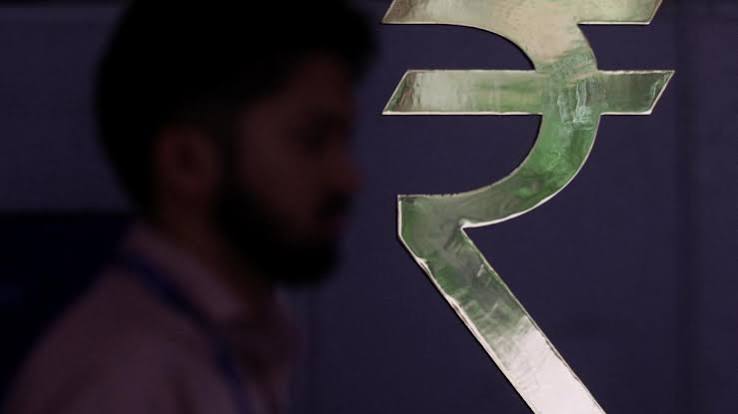
The Indian rupee traded virtually flat against the U.S. dollar on Thursday, July 30, 2026, closing near 85.68 per dollar as foreign exchange markets balanced corporate dollar demand with Reserve Bank interventions. Meanwhile, benchmark domestic equities edged provisionally higher, with the Nifty 50 posting modest gains amid steady broader market inflows.
MUMBAI — The Indian rupee held virtually unchanged against the U.S. dollar on Thursday, July 30, 2026, closing at 85.6775 per dollar as of 3:30 p.m. IST, compared with its previous close of 85.6475. Concurrently, domestic equity markets mirrored the range-bound currency sentiment, as India's benchmark Nifty 50 index (.NSEI) ended provisionally higher following late-afternoon buying across banking, automobile, and IT heavyweights.
The steady session across currency and equity desks reflects a broader consolidation phase across South Asian financial markets. Foreign portfolio investors (FPIs) weighed steady macroeconomic growth indicators against firm crude oil prices and global interest rate expectations from major central banks.
Indian Rupee Consolidates in Range-Bound Currency Session
Foreign exchange dealers in Mumbai reported balanced two-way currency flows throughout Thursday's trading session. Early morning pressure on the Indian rupee from state-run oil marketing companies purchasing U.S. dollars was effectively offset by steady exporter dollar sales and persistent debt market inflows.
Market participants noted that the Reserve Bank of India (RBI) likely maintained a passive oversight presence via state-owned banks to prevent excessive volatility in the USD/INR currency pair. The currency's stability comes as global trade dynamics and regional currency movements remain sensitive to foreign capital allocation across emerging market assets.
Nifty 50 Gains Ground in Late-Day Trading Session
On domestic stock exchanges, equity market sentiment turned mildly positive during the final hour of trading. The benchmark Nifty 50 index provisionally closed with modest gains, supported by earnings resilience across large-cap corporate heavyweights and strong domestic institutional investment (DII) participation.
Gains were led by financial and consumer goods equities, which cushioned the index against profit-taking in energy and metal sectors. Market analysts attributed the positive closing bias to sustained retail mutual fund inflows via Systematic Investment Plans (SIPs) alongside stable domestic macroeconomic fundamentals, including controlled inflation and steady industrial production metrics.
Implications for Investors, Businesses, and Trade Desks
The dual stability of the Indian rupee and equity markets carries several practical implications across domestic economic sectors:
Importers and Exporters: A steady exchange rate around 85.68 per dollar provides near-term cash flow predictability for Indian manufacturing and technology firms, reducing short-term hedging costs for international trade transactions.
Equity Market Investors: The provisional upward finish for the Nifty 50 highlights ongoing underlying demand for Indian equities, reassuring institutional and retail investors against abrupt market pullbacks.
Cross-Border Travelers and Students: Relative stability in the Indian rupee prevents sudden increases in overseas tuition fees, international credit card settlements, and foreign travel expenses.
Official Sources Section
According to official market disclosures, financial exchange statistics, and regulatory reporting:
Quote Section
According to official market disclosures and foreign exchange trading desks:
"According to officials and treasury dealers, the Indian rupee maintained a narrow trading corridor as balanced corporate dollar demand met steady exporter conversions, while positive domestic equity sentiment supported market stability at the close."
Why It Matters
A stable Indian rupee combined with a firm Nifty 50 index indicates underlying resilience in India's financial system amidst fluctuating global interest rate prospects. Currency stability helps cap imported inflation—particularly on imported crude oil and electronic components—while giving foreign institutional investors the confidence needed to maintain long-term capital allocations in Indian equity and debt securities.
Key Facts at a Glance
Rupee Closing Level: The Indian rupee closed at 85.6775 per U.S. dollar, little changed from its previous close of 85.6475.
Equity Market Outcome: India's benchmark Nifty 50 index ended provisionally higher after late-session buying.
Market Drivers: Corporate dollar demand was balanced by exporter inflows and steady domestic retail mutual fund participation.
Regulatory Setting: The Reserve Bank of India continues to oversee foreign exchange volatility through proactive liquidity management.
Frequently Asked Questions (FAQ)
What was the closing rate of the Indian rupee against the U.S. dollar today?
The Indian rupee closed at 85.6775 per U.S. dollar as of 3:30 p.m. IST, trading virtually flat compared to its previous close of 85.6475.
How did the Nifty 50 index perform in today's trading session?
India's benchmark Nifty 50 index ended provisionally higher, supported by late-afternoon buying across key banking, consumer, and technology equities.
Why was the Indian rupee range-bound during the session?
The currency remained steady as dollar demand from corporate importers and oil marketing firms was counterbalanced by exporter dollar sales and steady foreign portfolio inflows.
Where can investors track official exchange rate updates?
Official reference rates and market statistics are published daily by the Reserve Bank of India and the National Stock Exchange of India.
Source: National Stock Exchange of India (NSE), Reserve Bank of India (RBI), BSE Limited