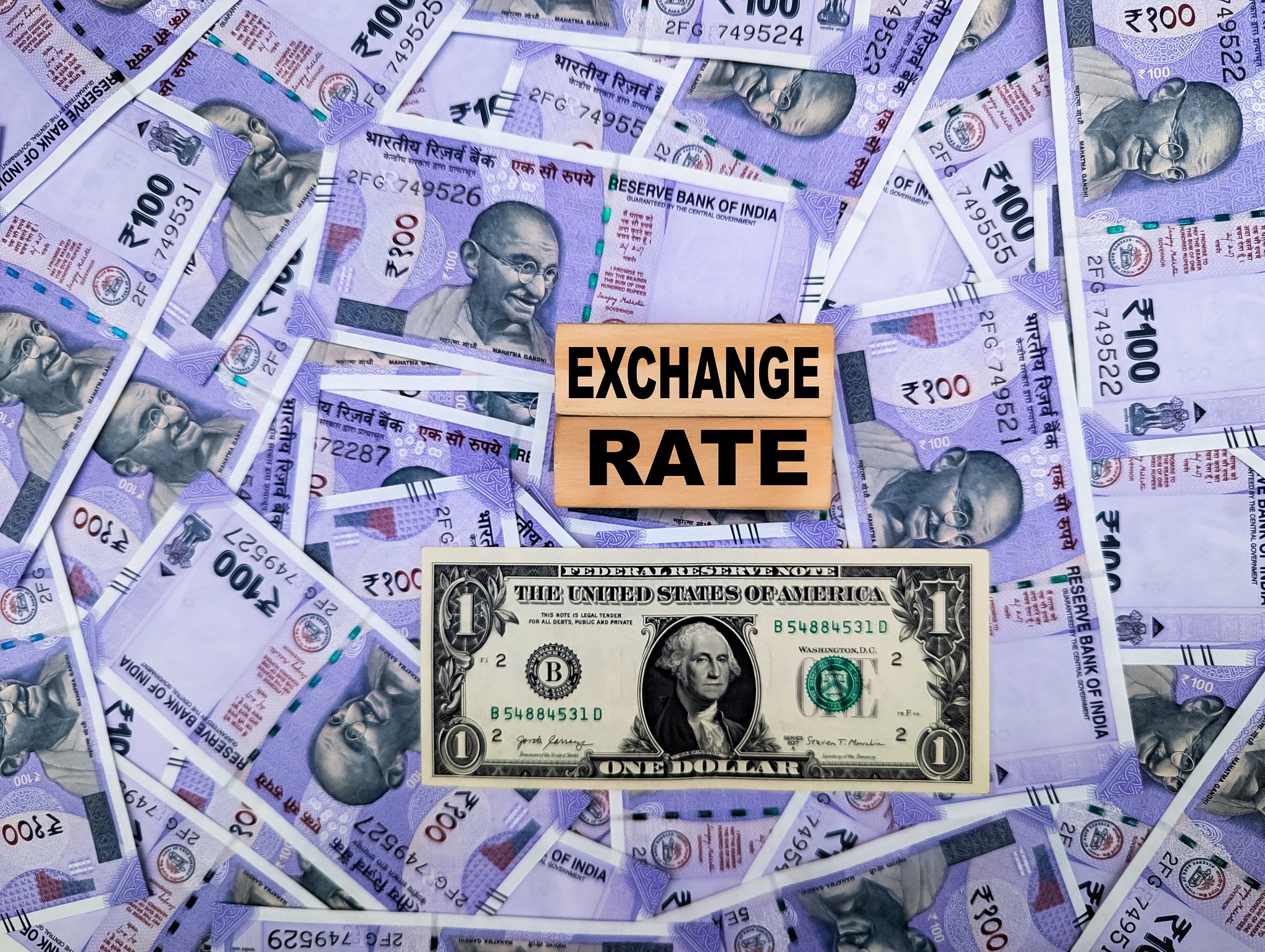
The Indian rupee opened 0.2% lower at 95.54 per US dollar on Wednesday, retreating from its previous close of 95.35. The local currency faces downward pressure from a strong global dollar index and elevated crude oil costs, though active RBI foreign exchange interventions are expected to limit deeper systemic declines.
MUMBAI, India — The Indian rupee opened lower by 0.2% on Wednesday, June 10, 2026, starting the interbank foreign exchange session at 95.54 per US dollar. The opening print marks a visible retreat from Tuesday’s competitive closing benchmark of 95.35, according to institutional spot currency statistics.
The immediate soft patch is being fueled by an ongoing, broad-based appreciation of the greenback across global currency desks, alongside sticky crude oil prices stemming from persistent geopolitical risks along international shipping corridors.
Global Headwinds and Energy Imports Pressurize Local Units
According to real-time transactional feeds tracked by the Clearing Corporation of India Limited, the Indian rupee faced immediate selling pressure from corporate importers as trading commenced at 9:00 AM IST. Forex dealers indicated that a primary catalyst for the session's weaker open is the sustained strength of the US Dollar Index, which measures the greenback against a basket of six major international currencies. The index climbed back above the 105.20 threshold overnight.
This currency dynamic is further complicated by elevated input costs within the energy sector. State-owned oil marketing corporations announced a 10% increase in domestic aviation turbine fuel pricing this morning, mirroring a rigid international Brent crude baseline that remains stuck near $88 per barrel. Because India relies on foreign producers to meet more than 80% of its domestic petroleum requirements, higher oil prices force local oil importers to aggressively swap the Indian rupee for US dollars on the spot market, expanding the country's trade deficit and depressing the local currency's value.
Central Bank Intervention Expected Near Crucial Technical Levels
Despite opening lower at 95.54, macro analysts anticipate that the downside trajectory for the Indian rupee will remain tightly capped by defensive market actions from the country's monetary authority. The Reserve Bank of India (RBI) has historically utilized its massive foreign exchange reserves which currently stand at a comfortable buffer of over $680 billion to smooth out speculative volatility.
Forex traders in Mumbai noted that state-run banks were seen offering dollars on behalf of the central bank immediately as the exchange rate approached the 95.60 zone. This tactical intervention is designed to anchor the Indian rupee, preventing sharp, panic-driven depreciations that could otherwise inflate the cost of imported commodities and disrupt domestic retail inflation targets.
Direct Consequences for Businesses, Travelers, and Investors
The ongoing fluctuations within the interbank currency market carry direct practical implications for multiple economic sectors:
For Indian Importers: Electronics, automotive parts, and solar component manufacturers face higher procurement costs, which may squeeze operating margins unless passed down to retail consumers.
For Outbound Travelers and Students: Citizens funding education or vacations overseas in US dollars or dollar-linked currencies will encounter higher conversion costs at local exchange desks.
For Exporters: Software services firms, textile exporters, and pharmaceutical manufacturers stand to book higher local-currency revenues when converting their overseas dollar earnings.
Official Sources Section
Exchange rate measurements, currency openings, and historical spot market data included in this monetary report are based on official trading statistics recorded by the Foreign Exchange Dealers' Association of India (FEDAI) and interbank platform indices managed by the National Stock Exchange of India (NSE) and BSE Limited.
Quote Section
Analyzing the early morning currency shifts on the Mumbai spot exchange floor, a senior fixed-income and treasury specialist stated:
"According to officials, the initial 0.2% drop in the Indian rupee is a direct reflection of overnight global equity realignments and firm crude oil baselines. However, structural inflows into the domestic debt market following recent tax adjustments should help maintain a sturdy floor for the local unit over the coming weeks."
Why It Matters
The relative strength of the Indian rupee serves as a vital economic indicator for international trade health. While a weaker currency presents immediate operational challenges for energy importers and outbound travelers, the controlled nature of the depreciation ensures that the country's export sectors remain highly competitive across global markets. Furthermore, active regulatory monitoring prevents rapid, volatile drops, preserving a stable environment for foreign portfolio managers looking to deploy capital into Indian corporate assets.
Key Facts at a Glance
The Opening Print: The Indian rupee entered Wednesday's session 0.2% lower, starting at 95.54 against the US dollar compared to a 95.35 previous close.
The Dollar Factor: A strengthening US Dollar Index past 105.20 has exerted widespread pressure across emerging market currencies.
Energy Impact: Sticky global Brent crude prices near $88 per barrel continue to drive heavy dollar demand among domestic oil marketing companies.
Regulatory Shield: The Reserve Bank of India remains active in the background, utilizing its $680 billion forex reserves to smooth out erratic fluctuations.
Frequently Asked Questions
Why did the Indian rupee open lower on June 10, 2026?
The Indian rupee depreciated by 0.2% due to a stronger US dollar in international markets and elevated global crude oil prices, which naturally increase the demand for dollars among Indian commodity importers.
How does a weaker rupee affect everyday consumer prices in India?
A weaker currency makes imported goods like crude oil, electronic components, and edible oils more expensive to buy. If the currency stays low for a prolonged period, these higher costs can filter down into retail inflation for consumers.
Will the Indian rupee continue to fall further this week?
While global factors remain volatile, massive national foreign exchange reserves allow the RBI to step in and supply dollars whenever the currency faces extreme pressure, helping to prevent a rapid or uncontrolled slide.
Source: Daily Foreign Exchange Spot Market Logs published by the Reserve Bank of India (RBI); Currency derivative indices provided by the National Stock Exchange of India (NSE).