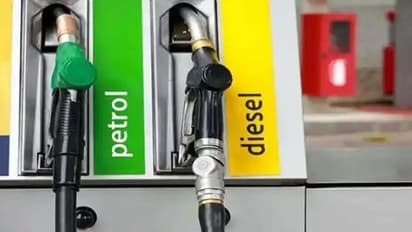
Petrol and diesel prices across India remained steady on June 10, 2026, following a volatile series of hikes in May that raised fuel costs by 7.50 rupees per litre. New Delhi rates hold at 102.12 rupees for petrol, while Brent crude hovers near 92.30 dollars amid ongoing supply chain disruptions in West Asia.
NEW DELHI, June 10, 2026 — State-run oil marketing companies (OMCs) maintained a strict price freeze on petrol and diesel prices today across all major metropolitan hubs, bringing a temporary respite to transport logistics and daily commuters. The retail pricing freeze comes after a series of significant upward adjustments carried out over the previous weeks, which pushed retail automotive fuel costs to their highest parameters since May 2022.
Indian oil refiners have managed to anchor the opening week price line despite intensifying supply line volatility along critical energy corridors, ensuring commercial and retail consumers face steady operational billing.
Metros Maintain Standardized Retail Fuel Prices
According to daily retail pricing sheets released at 6:00 AM by the country’s leading public sector oil enterprises, the cost of petrol in the national capital of New Delhi stands at exactly 102.12 rupees per litre. Concurrently, the retail price for diesel remains fixed at 95.20 rupees per litre.
The current rate stability offers consumers a vital recovery window following the last major price revision enacted on May 25, 2026, when OMCs implemented a uniform hike of over 2.50 rupees per litre. The late-May correction marked the fourth sequential price hike within a compressed two-week window, accumulating an aggregate fuel price jump of roughly 7.50 rupees per litre since mid-May.
| Metropolitan City | Petrol Price (₹/litre) | Diesel Price (₹/litre) |
| New Delhi | ₹102.12 | ₹95.20 |
| Mumbai | ₹111.18 | ₹97.83 |
| Kolkata | ₹113.47 | ₹99.82 |
| Bengaluru | ₹110.93 | ₹98.80 |
| Chennai | ₹107.77 | ₹99.55 |
The regional pricing variations visible between different state capitals stem directly from localized freight dynamics, transport distances from primary refining units, and state-level Value Added Tax (VAT) brackets.
Geopolitical Headwinds Drive Global Crude Volatility
The recent series of domestic fuel price hikes represents a delayed pass-through mechanism by local fuel retailers reacting to highly turbulent international energy indices. The escalation of military conflict in West Asia, notably involving direct interactions between United States forces and localized regional entities, has severely impacted maritime energy corridors.
The geographical disruptions are highly critical for India's macroeconomic balance, given that approximately 20% of global oil and gas shipping volumes travel directly through the affected Strait of Hormuz waterway. On global spot markets, Brent crude rose an additional 0.9% today to hover near 92.30 dollars per barrel, highlighting the premium built into importing expenses.
Projecting Fuel Inflation and Stock Realities
The steady rise in underlying importing overheads has triggered targeted civic demonstrations and political debate regarding household affordability. Public sector OMCs have historically shielded consumers by freezing prices for extended intervals, but prolonged high-cost environments compress operational margins, forcing gradual baseline adjustments.
To temper inflationary concerns, senior administration officials have indicated that global supply distributions are expected to balance out in the medium term. Public allocations are actively incorporating non-traditional supply segments from North America to diversify the country's oil sourcing matrix.
Official Sources Section
The operational rates, pricing structures, and international macroeconomic indicators compiled in this economic brief are sourced from public records provided by:
Corporate Price Logs: Daily retail rate dashboards verified and updated by Indian Oil Corporation Limited (IOCL).
Ministry Announcements: Strategic energy supply briefings hosted by Hardeep Singh Puri, Union Minister for Petroleum and Natural Gas.
Market Data Exchanges: Real-time commodity index tickers tracking Brent Crude performance via Bloomberg and Reuters financial terminals.
Quote Section
"Oil prices cannot remain at their current height for a very long time and are expected to fall in the months ahead. Enough stocks are available amid the war situation. Additional supplies from Canada and the United States are expected to mitigate some shortage."
— Hardeep Singh Puri, Union Minister for Petroleum and Natural Gas
Why It Matters
For average vehicle owners, the cumulative 7.50 rupee price jump over the past month translates to an added burden of roughly 350 to 500 rupees per full tank refill, directly stretching household disposable incomes. For corporate logistics networks and e-commerce delivery firms, the higher diesel baseline increases long-haul transport overheads, a structural variable that typically triggers a cascading effect on wholesale food and essential goods inflation.
Key Facts at a Glance
Current Status: All domestic petrol and diesel prices remained completely unchanged across India on June 10, 2026.
Metro Baseline: Petrol is holding at 102.12 rupees in Delhi and 111.18 rupees in Mumbai.
Recent Trend: Cumulative fuel costs rose by nearly 7.50 rupees per litre across four separate hikes in May.
Import Vulnerability: Indian importing systems rely on the West Asian region for 40% of crude oil and 90% of LPG supplies.
FAQ Section
Q: Why are fuel prices higher in Mumbai and Kolkata compared to New Delhi?
A: Retail fuel costs are determined by adding state-specific taxes, specialized local cesses, and regional transportation costs to the base price. States like Maharashtra and West Bengal impose higher Value Added Tax (VAT) structures compared to Delhi, resulting in higher prices at the pump.
Q: Do international crude oil price changes affect Indian fuel prices on the same day?
A: Under the dynamic pricing system, state-run oil companies are technically authorized to revise prices daily. However, to maintain market stability during geopolitical crises, OMCs frequently absorb short-term shocks and implement delayed adjustments over several weeks.
Q: Is there an immediate shortage of petrol or diesel in India due to the West Asian conflict?
A: No. The Ministry of Petroleum and Natural Gas has confirmed that India maintains robust strategic reserves and has successfully sourced alternative oil volumes from North America, ensuring domestic fuel stations remain fully supplied.
Source: Ministry of Petroleum and Natural Gas, Indian Oil Corporation Limited, Ministry of Finance.