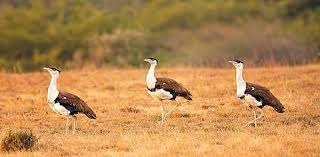
To mark World Environment Day, a public tribute at Delhi’s Qutub Minar celebrated the recovery of the critically endangered Great Indian Bustard (Godawan). Backed by the Wildlife Institute of India, the conservation program has expanded the captive population in Jaisalmer to 79 birds using artificial insemination, alongside completing a successful trans-state egg transfer to revive the species in Gujarat.
NEW DELHI — In a major celebration of wildlife recovery, the Government of India marked World Environment Day by highlighting the gradual resurgence of the critically endangered Great Indian Bustard, locally known as the Godawan. The national spotlight on the species comes as a series of breakthroughs in captive breeding facilities and localized community surveillance significantly improve survival indicators for one of the world's rarest flying birds.
National Monument Lights Up for Grassland Conservation
To mark World Environment Day on June 5, 2026, Delhi's historic Qutub Minar served as the architectural canvas for a large-scale public projection detailing the conservation journey of the Godawan. Organized jointly by the Archaeological Survey of India (ASI), corporate partner Godawan Estuary Premium Water, and the non-profit Gramodaya Samajik Sansthan, the public installation aimed to build ecological literacy around the flagship species.
The large-scale visual presentation, which ran from 8:00 PM to 10:00 PM, mapped the bird's gradual path to recovery following decades of rapid habitat decline. Once considered a leading contender to become India’s national bird, the Great Indian Bustard (Ardeotis nigriceps) had steadily faded from public consciousness as its wild population fell below 150 individuals, confined mostly to the fragmented, arid grasslands of Rajasthan and Gujarat.
Scientific Breakthroughs and Artificial Insemination Success
The species is experiencing a turn in its conservation trajectory due to intensive scientific interventions managed by state forest wings and the Wildlife Institute of India (WII). According to operational data reviewed on Tuesday, June 9, 2026, the dedicated Bustard Recovery Programme has realized major operational milestones this breeding season:
Breeding Center Scaling: The total number of birds housed across specialized breeding facilities in Jaisalmer has reached 79, with 61 birds secured at the Ramdevra facility and 18 at the Sam enclave.
Artificial Insemination (AI) Benchmarks: Of the total captive population, 21 birds were successfully produced utilizing modern AI technology alongside 25 born through natural breeding, demonstrating the viability of hybrid reproductive protocols.
Captive-to-Wild Pipeline: The project currently maintains 33 wild-hatched founder birds and 46 captive-bred chicks, preparing an initial group of healthy sub-adults for targeted wild rewilding releases in the coming cycles.
The program also achieved a landmark cross-border success via a specialized "Jumpstart Approach" coordinated by the Ministry of Environment, Forest and Climate Change. Because Gujarat’s Kutch grasslands were left with only three surviving female birds and no natural breeding options, scientists established a secure transport corridor to move an incubated fertile egg over 700 kilometers from a breeding center in Rajasthan to a sanctuary in Kutch. The egg successfully hatched under a wild foster mother, marking the first recorded bustard birth in Gujarat in over a decade.
High-Level Policy Support and Grassroots Protection
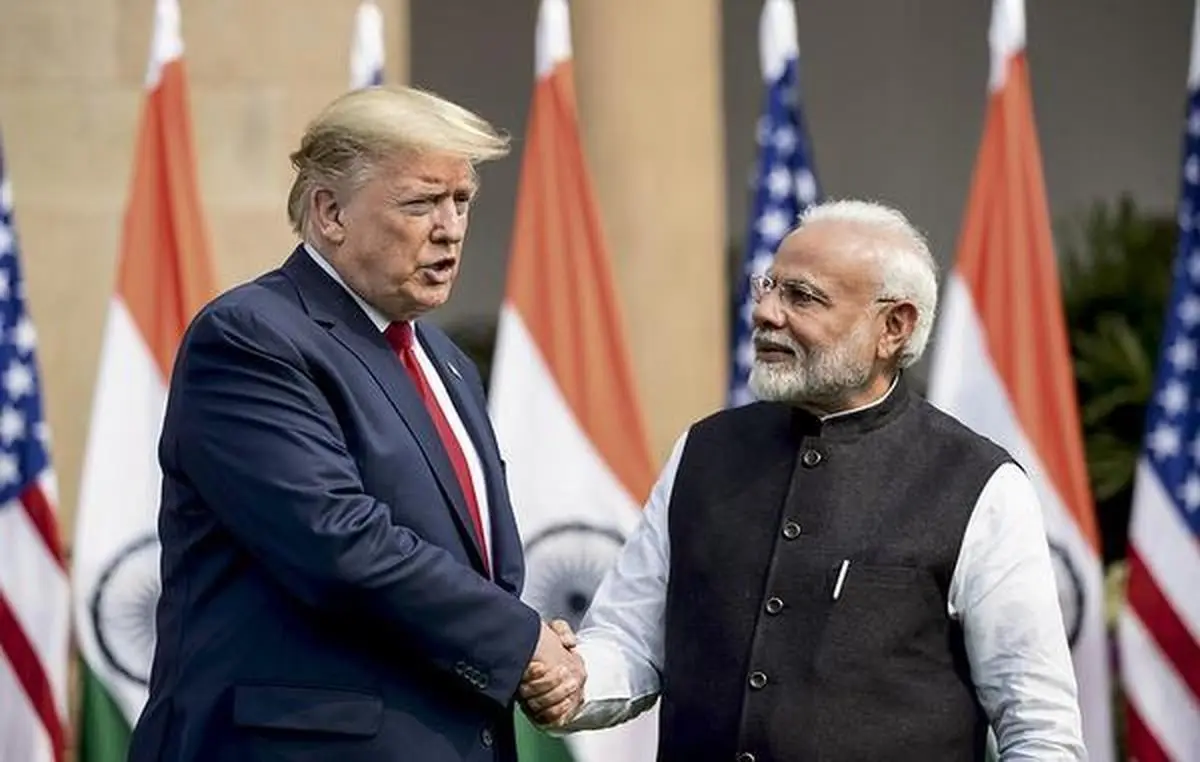
The resurgence of the Godawan has received widespread attention across both high-level policy circles and community organizations. Prime Minister Narendra Modi spotlighted the bird's recovery during a recent episode of Mann Ki Baat, citing it as a major example of the country's commitment to wildlife preservation. To build on this momentum, Rajasthan officially observed its first state-level Godawan Day on May 21, establishing a dedicated annual date to review habitat conditions.
On the ground, long-term survival remains heavily dependent on strict habitat management. The birds face persistent structural threats, particularly low-flight collisions with overhead high-voltage power lines linked to renewable energy infrastructure, alongside attacks from free-roaming dogs.
To mitigate these challenges, wildlife authorities have teamed up with members of the local Bishnoi community. Working alongside forest guards, these grassroots volunteer networks patrol nesting zones, enforce predator management boundaries, and protect fragile breeding grounds during the sensitive summer hatching phase.
Official Sources Section
The species counts, scientific breeding ratios, and public events were officially verified through joint research briefings published by the Wildlife Institute of India (WII) and verified via press releases from the Ministry of Environment, Forest and Climate Change.
Quote Section
"On the occasion of World Environment Day, a special visual projection was displayed at Qutub Minar, showcasing the conservation journey of the Godawan and its remarkable increase in numbers. This achievement belongs to local communities, conservation experts, the forest department, and private sector partners."
— Kedar Shrimal, President, Gramodaya Samajik Sansthan
Why It Matters
For wildlife biologists and global conservation bodies, the successful integration of artificial insemination protocols provides an adaptable blueprint to reverse the extinction curve for other critically endangered avian species worldwide. For renewable energy companies and infrastructure developers, the bird's high-visibility recovery drives the implementation of mandatory safety measures, such as installing bird flight diverters on all power lines cutting through critical grassland zones. For local communities, the resurgence preserves the health of India's fragile dry grassland ecosystems, protecting native biodiversity while driving sustainable eco-tourism revenues to rural districts.
Key Facts at a Glance
Public Awareness Campaign: The conservation journey of the Great Indian Bustard (Godawan) was projected onto Delhi’s Qutub Minar to celebrate World Environment Day.
Scientific Milestone: India's specialized captive breeding facilities in Jaisalmer have successfully expanded their population to 79 birds.
Reproductive Technology: The program has successfully raised 21 chicks using advanced artificial insemination (AI) techniques.
Interstate Collaboration: A unique 700-kilometer transport corridor enabled the successful hatching of a Rajasthan-incubated egg in Gujarat, marking the state's first bustard birth in ten years.
Policy Recognition: The species' recovery was highlighted by Prime Minister Narendra Modi during a national broadcast of Mann Ki Baat.
Frequently Asked Questions (FAQ)
What is the current conservation status of the Great Indian Bustard?
The Great Indian Bustard (Godawan) is classified as Critically Endangered by the IUCN and receives the highest level of legal protection under Schedule I of India's Wildlife Protection Act of 1972.
How are scientists accelerating the bird's population growth?
Scientists at breeding centers in Ramdevra and Sam use a combination of natural breeding and advanced artificial insemination (AI) technology, which has successfully produced 21 chicks so far.
What are the main physical threats facing the Godawan in the wild?
Because these large-bodied birds fly low, their primary threats include fatal collisions with high-voltage power lines and wind turbines, alongside habitat loss and attacks from free-roaming dogs near their nesting grounds.
What was the "Jumpstart Approach" executed between Rajasthan and Gujarat?
It was a joint conservation initiative where a fertile, incubated egg was transported over 700 kilometers from a breeding center in Rajasthan to a sanctuary in Kutch, Gujarat, where it successfully hatched under a wild foster mother.
Source: Wildlife Institute of India (WII) Species Research Portal, Ministry of Environment, Forest and Climate Change (MoEFCC) Media Center, Press Information Bureau (PIB) Government of India bulletins, and official event briefs from the Gramodaya Samajik Sansthan published on June 9, 2026.