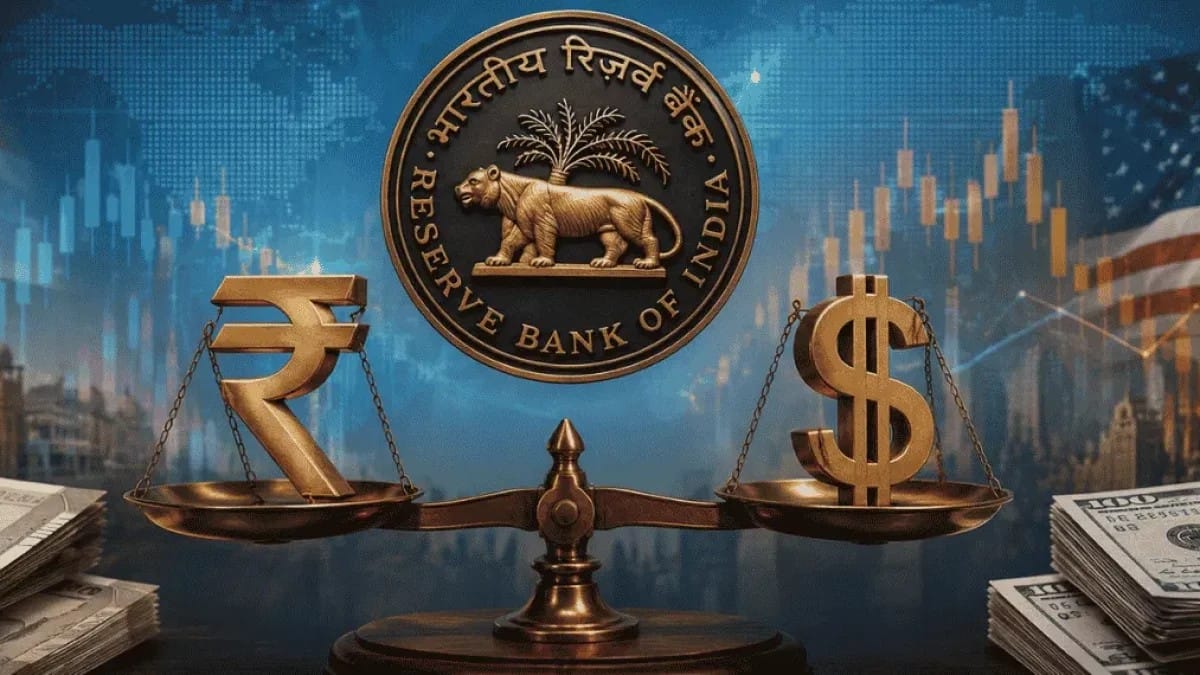
The Indian rupee opened slightly higher at 95.64 against the U.S. dollar, moving from its previous close of 95.6950. Active Reserve Bank of India intervention and substantial special forex inflows helped stabilize the currency, buffering against persistent headwinds from high crude oil import costs and corporate dollar demand.
MUMBAI — The Indian rupee opened marginally higher at 95.64 per U.S. dollar on Monday, hovering near its previous close of 95.6950, as active intervention by monetary authorities balanced ongoing pressures from elevated crude oil import costs and importer dollar hedging.
Trading desks reported calm conditions at the foreign exchange opening, with the domestic currency remaining locked in a narrow range. The steady performance follows record foreign capital inflows mobilized under special swap windows managed by the central bank, providing a crucial buffer against global macroeconomic volatility.
Key Drivers Shaping the Foreign Exchange Market
Traders attribute the rupee’s stability to a mix of strong policy intervention, steady foreign inflows, and ongoing geopolitical pressures affecting energy markets:
Central Bank Intervention: The Reserve Bank of India (RBI) has actively managed dollar supply in spot and forward markets to curb speculative volatility and defend key support levels.
Special Forex Inflows: Capital attracted through Foreign Currency Non-Resident (Bank) deposit schemes and corporate borrowing windows has brought significant liquidity to domestic foreign exchange reserves.
Energy Import Pressures: Crude oil prices remaining near multi-month highs continue to drive dollar demand among state oil marketing companies, limiting upside potential for the currency.
Global Dollar Trends: Moderation in the U.S. Dollar Index (DXY) has provided short-term breathing room for emerging market currencies across Asia.
Structural Market Dynamics
| Economic Variable | Current Position | Market Impact |
| Opening USD/INR Exchange Rate | 95.64 / USD | Slightly stronger compared to 95.6950 previous close. |
| Special Swap Inflows | Exceeding $72 Billion | Boosts central bank FX reserves and domestic dollar supply. |
| Immediate Support Range | 95.30 – 95.50 / USD | Strong central bank defensive zone against rapid depreciation. |
| Corporate Demand | Elevated Importer Hedging | Outflows for oil and commodity imports keep pressure on spot market. |
Official Sources Section
Market data and policy statements cited in this coverage are aligned with official foreign exchange reporting from the Reserve Bank of India (RBI), market indices managed by the Clearing Corporation of India (CCIL), and benchmark publications from Financial Benchmarks India Pvt. Ltd. (FBIL).
Quote Section
"According to currency traders and market analysts, central bank participation is expected to maintain tight range-bound movement in the near term, minimizing intraday volatility while global commodity pressures persist."
Why It Matters
The stability of the rupee against the U.S. dollar directly impacts domestic inflation, energy import bills, and corporate earnings for companies reliant on external borrowing. For consumers, a stable exchange rate helps prevent imported inflation on goods, electronics, and global travel, while providing predictability for exporters and foreign institutional investors.
Key Facts at a Glance
Opening Level: USD/INR opened at 95.64, compared to the previous close of 95.6950.
Policy Support: RBI intervention continues to anchor trading within a narrow range.
Inflow Pipeline: Forex inflows mobilized through RBI special swap facilities have crossed $72.8 billion.
Market Risk: High global crude oil costs remain the primary hurdle for currency appreciation.
Frequently Asked Questions
What caused the rupee to open nearly unchanged today?
The exchange rate was anchored by active central bank intervention, offsetting dollar demand from crude oil importers and local commercial hedgers.
How does central bank intervention affect the USD/INR rate?
The central bank buys or sells foreign currency from its reserves to absorb excess volatility, discouraging speculative trading and stabilizing domestic currency values.
Why do crude oil prices impact the Indian rupee?
India imports more than 85% of its crude oil requirements. Higher international oil prices increase demand for U.S. dollars to settle trade bills, weighing on the rupee's valuation.
Source: Official market trading metrics provided via Reuters market desks, the Reserve Bank of India, and exchange indices at CCIL.