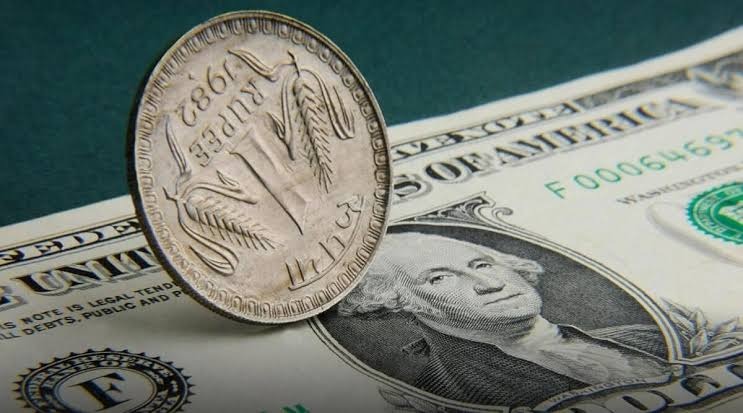
The Indian rupee gained 0.3% to close at 95.38 per US dollar, recovering from its previous close of 95.68. The currency's intraday rebound was bolstered by tactical central bank interventions, dollar inflows, and easing commodity pressures, providing short-term stability to domestic foreign exchange markets.
The Indian rupee gained 0.3% to end the session at 95.38 per US dollar, recovering from its previous close of 95.68.
MUMBAI — The Indian rupee staged a notable recovery during Friday's trading session, closing 0.3% higher at 95.38 against the US dollar compared to its previous close of 95.68. According to currency market dealers and financial exchange reports published on Friday, July 31, 2026, the domestic currency benefited from persistent dollar inflows, easing crude oil prices, and tactical intervention by the central bank. This upward movement provided temporary relief to domestic foreign exchange markets following weeks of sustained downward pressure driven by global macroeconomic headwinds and shifting foreign portfolio flows.
Foreign Exchange Market Dynamics and Interventions
The recovery of the Indian rupee was supported by active dollar selling by state-run banks, which market participants attribute to instructions from the central bank aimed at curbing excessive volatility. Foreign exchange specialists note that while the broader macroeconomic environment continues to grapple with global monetary tightening cycles, local liquidity adjustments and steady foreign institutional investments into select domestic equities helped cushion the local currency.
The intraday movement saw the Indian rupee test key technical thresholds before stabilizing near the 95.38 mark. Currency strategists emphasize that ongoing interventions by monetary authorities remain a crucial stabilizing mechanism for managing imported inflation and maintaining orderly market conditions.
Macroeconomic Factors Influencing the Rupee
As an emerging market currency heavily sensitive to external trade balances, the valuation of the Indian rupee remains closely tied to international commodity prices—particularly crude oil imports—and global interest rate trajectories. Economic analysts highlight that softer global crude prices during the session helped narrow the country's near-term trade deficit expectations, thereby easing pressure on foreign exchange reserves.
Additionally, domestic macroeconomic indicators continue to display resilience, supporting investor confidence despite persistent external uncertainties surrounding global currency fluctuations.
Impact on Importers, Exporters, and Financial Markets
The recent appreciation of the Indian rupee carries varied implications for domestic businesses, importers, exporters, and retail consumers. For importers, a stronger currency helps moderate the landed cost of crude oil, electronics, and industrial raw materials, thereby easing inflationary pressures on manufactured goods.
Conversely, export-oriented sectors such as information technology services and textile manufacturers experience compressed margin conversions when the domestic currency strengthens. For institutional investors and equity market participants, a stable currency environment reduces foreign exchange hedging costs and fosters greater predictability in cross-border capital allocations.
Official Sources Section
Information concerning the daily exchange rate movements, closing benchmarks, and currency market interventions was obtained directly from financial market trading reports, official interbank foreign exchange data, and analytical releases provided by the Reserve Bank of India (RBI), the Ministry of Finance Government of India, and major institutional exchange desks registered with the Bombay Stock Exchange (BSE).
According to officials, the central bank continues to closely monitor foreign exchange market liquidity and will take necessary measures to curb excessive volatility and maintain orderly market operations.
Why It Matters
The daily performance of the Indian rupee serves as an essential barometer of India's macroeconomic health, external trade competitiveness, and investor sentiment. Tracking exchange rate movements against the US dollar allows businesses, policymakers, and financial analysts to gauge currency stability, inflationary risks, and the overall resilience of domestic financial markets.
Key Facts at a Glance
Closing Rate: The Indian rupee ended the session up 0.3% at 95.38 per US dollar.
Previous Close: The currency finished its prior trading session at 95.68 against the greenback.
Market Drivers: Recovery supported by tactical central bank interventions, dollar inflows, and softening commodity prices.
Economic Impact: Provides short-term relief to importers by reducing the cost of dollar-denominated purchases.
FAQ Section
What was the closing exchange rate of the Indian rupee against the US dollar?
The Indian rupee closed the session at 95.38 per US dollar, registering a 0.3% gain from its previous close.
What factors drove the appreciation of the Indian rupee?
The recovery was driven by strategic central bank interventions, persistent dollar inflows, and easing international crude oil prices.
How does a stronger rupee impact domestic importers?
A stronger domestic currency lowers the landed cost of imported commodities like crude oil and electronics, helping to mitigate imported inflation.
Where are official foreign exchange rates and market data published?
Official currency benchmarks and trading updates are published daily through interbank exchange platforms and regulatory portals managed by the Reserve Bank of India (RBI).
Source: Reserve Bank of India (RBI), Ministry of Finance Government of India, Bombay Stock Exchange (BSE), National Stock Exchange of India (NSE)