




Loading market data...
ADVERTISEMENT

Latest Top News

India’s Borrowing Roadmap: Green Bonds, Auctions, And Revised Targets
India has unveiled its borrowing blueprint for FY27, outlining gross market borrowings of 8.20 trillion rupees through 26 weekly auctions, a revised annual borrowing target of 16.09 trillion rupees, and a push into green bonds worth 150 billion rupees. The plan balances fiscal needs with sustainability goals.
Stay Ahead – Explore Now! The Unfailing Capital: Why You'll Always Have Mummy-Papa Bank
ADVERTISEMENT

Latest Updates

Kikkoman Plans First India Soy Sauce Manufacturing...
16 Jun 2026, 05:58 AM
The Street Food Superhero: Puchkaman Scales 150% a...
16 Jun 2026, 12:11 AM
The Silence Value: Luxury Travellers Shift to Soft...
16 Jun 2026, 12:08 AM
The Great Tech Wake-Up Call: India Must Invest to...
16 Jun 2026, 12:01 AM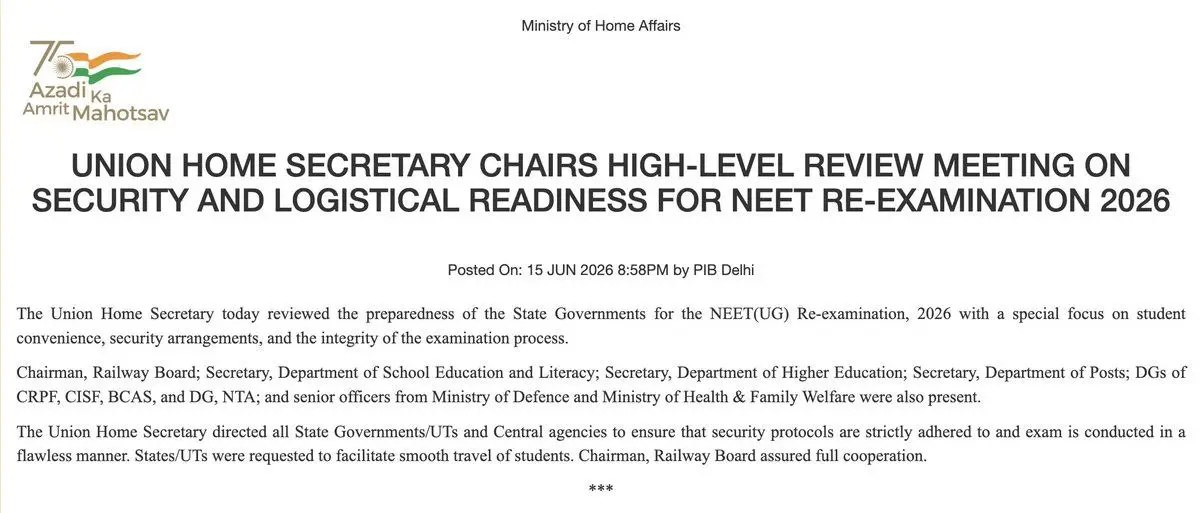
High-Stakes Health Check: Home Secretary Reviews N...
15 Jun 2026, 11:58 PMADVERTISEMENT

Top Stories
Kikkoman Plans First India Soy Sauce Manufacturing...
16 Jun 2026, 05:58 AM
The Street Food Superhero: Puchkaman Scales 150% a...
16 Jun 2026, 12:11 AM
The Silence Value: Luxury Travellers Shift to Soft...
16 Jun 2026, 12:08 AM