On July 3, 2026, the Defence Acquisition Council approved procurement proposals worth ₹52,000 crore to modernize the Indian Armed Forces. The plan focuses on indigenous systems like anti-UAV platforms, precision missiles, and kamikaze drones, significantly boosting combat readiness and supporting the domestic "Make in India" defence manufacturing ecosystem.
NEW DELHI — The Defence Acquisition Council (DAC), chaired by Raksha Mantri Rajnath Singh, granted 'Acceptance of Necessity' (AoN) on Friday, July 3, 2026, for capital acquisition proposals estimated at ₹52,000 crore. The move is part of a strategic push to modernize India's defence infrastructure and bolster the operational capabilities of the Army, Navy, and Air Force.
This high-level meeting—the first to feature the newly appointed Chief of Defence Staff and service chiefs—focused on reducing import dependency by prioritizing indigenously designed, developed, and manufactured (IDDM) systems.
Strengthening Combat Capabilities
The approved proposals encompass a wide array of advanced weapon systems designed to counter modern security challenges. For the Indian Army, the DAC cleared the procurement of:
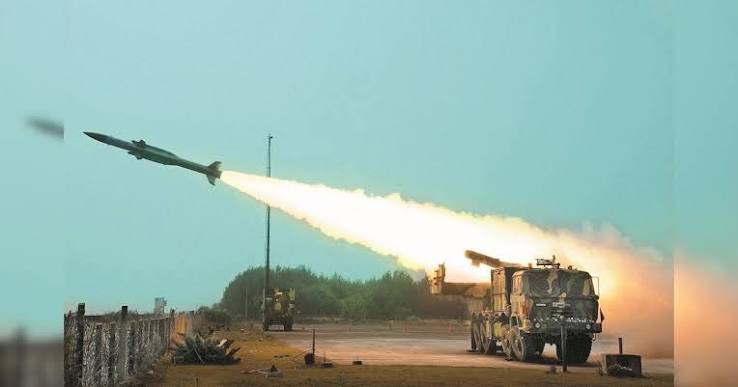
Anti-Unmanned Aerial Vehicles (UAV): Induction of the "Akash Tarang" electronic warfare system to provide protection against drone threats.
Anti-Tank Systems: Procurement of Man-Portable Anti-Tank Guided Missile (MPATGM) systems to counter mechanized adversary threats.
Air Defence: Acquisition of Medium Range Surface-to-Air Missile (MRSAM) systems and Very Short Range Air Defence Systems (V-SHORADS) with multi-spectral sensing capabilities.
Armoured Protection: New active protection systems designed to improve the survivability of tanks on the battlefield.
Kamikaze Drones: Deployment of jet-based kamikaze drones to provide cost-effective, high-lethality electronic warfare support.
Naval and Air Force Modernization
For the Indian Navy, the council approved the acquisition of Multi-Influence Ground Mines (MIGM) and Naval Shipborne Unmanned Aerial Systems (NSUAS) to improve situational awareness and maritime denial capabilities. Furthermore, a land-based testing facility will be established to support the development of electric propulsion systems for naval assets. The Indian Air Force also received approval for the procurement of high-altitude pseudo-satellites to enhance aerial surveillance.
Official Sources
According to an official press release from the Ministry of Defence (PIB), the DAC's decision is a critical step in the ongoing military modernization program. Officials stated that these acquisitions are "in-principle" approvals, which serve as the first formal milestone in the multi-stage procurement process.
Why It Matters
The ₹52,000 crore procurement plan is significant for several reasons:
Indigenization: Most systems, including the MPATGM and various drone technologies, are to be produced in India, providing a massive boost to the domestic defence industrial base.
Modernization: By transitioning from older platforms to advanced systems like V-SHORADS and kamikaze drones, the Armed Forces are addressing critical gaps in air defence and precision strike capabilities.
Economic Impact: The move signals a sustained commitment to the "Make in India" initiative, encouraging private sector participation and long-term manufacturing investments within the country.
Key Facts at a Glance
Estimated Value: ₹52,000 crore.
Approval Date: July 3, 2026.
Key Systems: Akash Tarang (Anti-UAV), MPATGM, MRSAM, V-SHORADS, and Kamikaze drones.
Objective: To enhance the combat readiness and self-reliance of the Indian Armed Forces.
Frequently Asked Questions (FAQ)
1. What is the role of the Defence Acquisition Council (DAC)?
The DAC is the top body in the Ministry of Defence responsible for taking decisions on new capital acquisitions for the three services.
2. What does 'Acceptance of Necessity' (AoN) mean?
AoN is the first formal step in the defence procurement process, representing the government's in-principle administrative approval for the acquisition of a specific weapon system or equipment.
3. Will these weapons be imported?
The focus of these proposals is primarily on indigenous manufacturing, aligned with the government's self-reliance (Atmanirbhar Bharat) policy, though some technologies involve collaboration or transfer of knowledge.
4. How does this impact national security?
By upgrading air defence and anti-tank capabilities, the Indian military is better equipped to neutralize modern aerial and mechanized threats along its borders.
Source: Ministry of Defence - Press Information Bureau, Newsonair