




Loading market data...
ADVERTISEMENT

Latest Top News
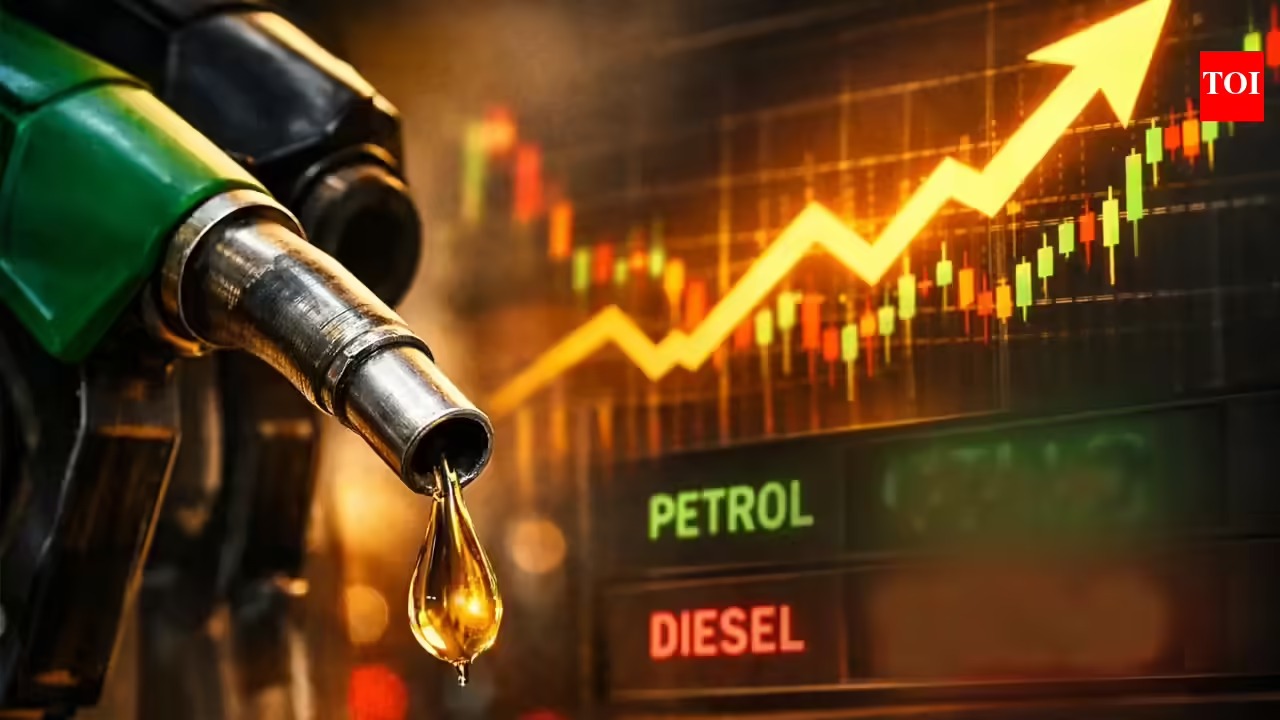
India’s Fuel Duty Cut To Cost ₹70 Billion In Two Weeks
India’s tax authorities have confirmed that the recent lowering of excise duties on petrol and diesel will result in a revenue loss of nearly ₹70 billion every fortnight. The move, aimed at easing consumer inflation, comes with significant fiscal implications for government finances.
Stay Ahead – Explore Now! World Yogasana Championship Connects Mauritius Gen Z to Indian Roots
ADVERTISEMENT

Latest Updates

Instamart Inks Growth: Dhanya Hemanth Raj Named Ma...
15 Jun 2026, 11:52 PM
Sri Lanka 'A' Edge India 'A' in Heated Super Over...
15 Jun 2026, 11:47 PM
Mercedes-Benz India Steers Past Headwinds to Fuel...
15 Jun 2026, 11:45 PM
Sanon’s Andheri Asset Action: Family Bags ₹4.6 Cr...
15 Jun 2026, 11:42 PM
Banking on Trust: RBI Bans Coercive Bundling and A...
15 Jun 2026, 11:39 PMADVERTISEMENT

Top Stories
Instamart Inks Growth: Dhanya Hemanth Raj Named Ma...
15 Jun 2026, 11:52 PM
Sri Lanka 'A' Edge India 'A' in Heated Super Over...
15 Jun 2026, 11:47 PM
Mercedes-Benz India Steers Past Headwinds to Fuel...
15 Jun 2026, 11:45 PM