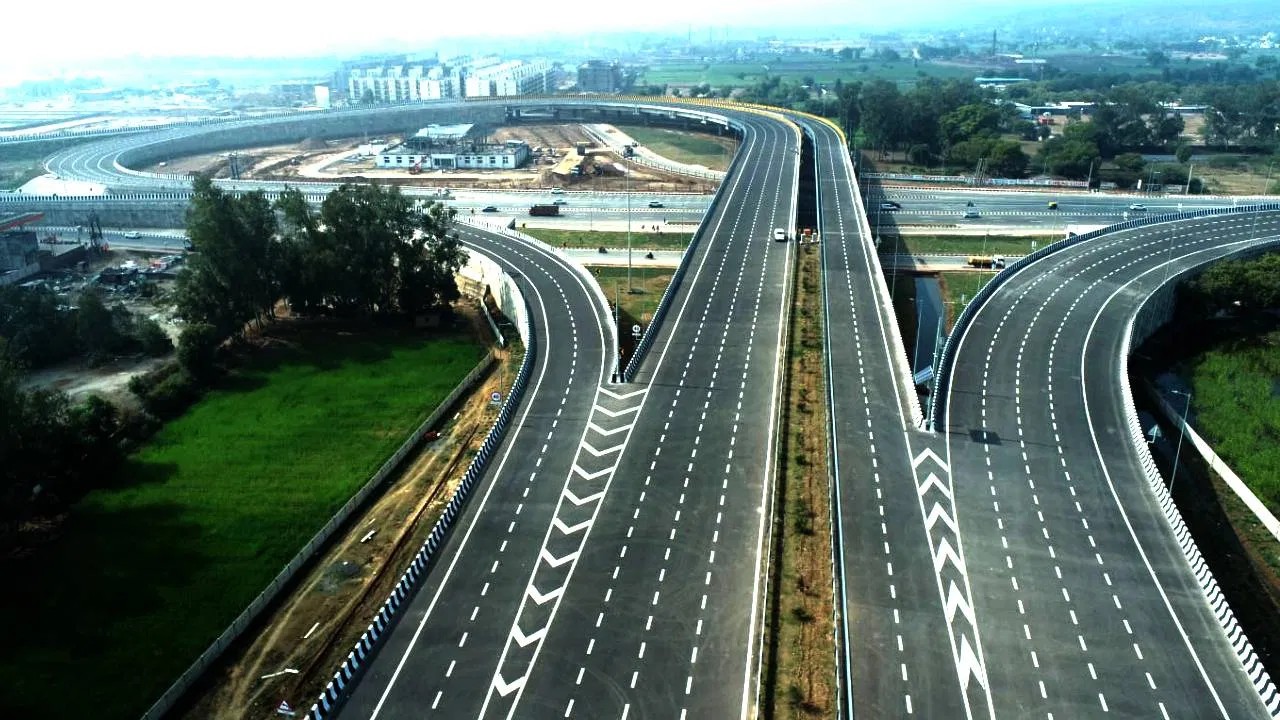
India is set to witness a major transportation breakthrough as the government pushes forward with new green expressway infrastructure. The expanding highway network, including the Delhi–Mumbai Expressway and a proposed Surat–Kurnool corridor, could reduce the Delhi–Mumbai road journey to around 12 hours, transforming logistics, travel efficiency, and regional connectivity.
India’s ambitious highway infrastructure program is moving toward a new milestone, with a green expressway network expected to cut travel time between Delhi and Mumbai to just about 12 hours. The development is part of a broader strategy to modernize India’s road network, enhance freight movement, and strengthen economic connectivity between major cities and industrial hubs.
Union Road Transport and Highways Minister Nitin Gadkari recently informed Parliament that a new greenfield expressway connecting Surat in Gujarat to Kurnool in Andhra Pradesh will become a critical component of this transformation. The corridor will integrate with existing national expressways and help streamline long-distance highway travel across the country.
The upcoming infrastructure expansion will complement the under-construction Delhi–Mumbai Expressway, a massive 1,350-km access-controlled corridor linking India’s political and financial capitals. Once the entire network becomes operational, the travel time between Delhi and Mumbai—traditionally around 24 hours by road—could be reduced to roughly half.
Beyond faster passenger travel, the project is expected to significantly improve freight efficiency, enabling smoother movement of goods between manufacturing zones, ports, and consumption markets. Experts believe that improved highway connectivity will reduce logistics costs, fuel consumption, and supply chain delays, benefiting industries across multiple sectors.
Key Highlights
-
Travel time between Delhi and Mumbai may drop from nearly 24 hours to about 12 hours by road once the expressway network is fully operational
-
The new Surat–Kurnool greenfield expressway will shorten the Delhi–Chennai distance by around 320 kilometres, improving overall highway connectivity
-
The 1,350-km Delhi–Mumbai Expressway will serve as the backbone of the high-speed corridor linking major economic hubs
-
The project aims to improve freight movement between industrial centres, ports, and urban markets across multiple states
-
Faster highways are expected to reduce logistics costs, improve fuel efficiency, and boost economic activity along the corridor
-
The expressway passes through several states including Delhi, Haryana, Rajasthan, Madhya Pradesh, Gujarat, and Maharashtra
With the rapid expansion of expressway infrastructure, India is positioning itself to create one of the world’s largest high-speed road networks, potentially transforming long-distance travel and national logistics in the coming decade.
Sources: Financial Express, The Pioneer, Trak.in, Times of India, National Highways Authority of India (NHAI)