




Loading market data...
ADVERTISEMENT

Latest Top News
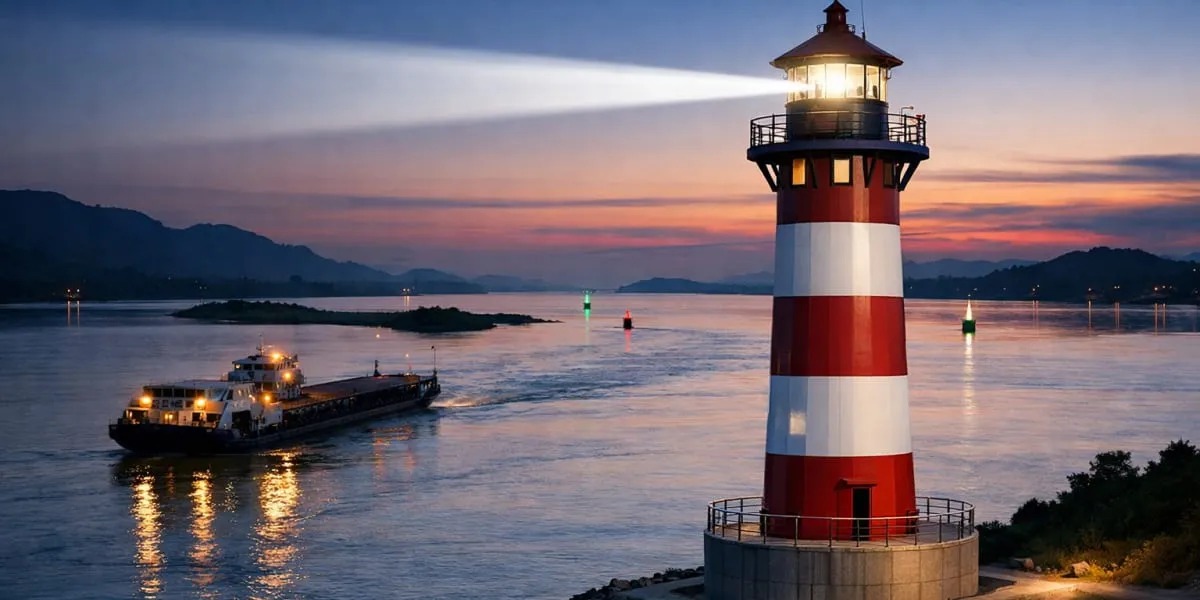
India’s First River Lighthouses To Guide Brahmaputra Navigation
Union Minister Sarbananda Sonowal has launched India’s first river lighthouses along the Brahmaputra, laying foundation stones for four structures at strategic points in Assam. With a project outlay of Rs 84 crore, these lighthouses aim to boost inland waterway navigation, enhance safety, and strengthen cargo and passenger movement.
Stay Ahead – Explore Now! Macro Risks Cloud India’s Record 5.4 Lakh Housing Delivery Schedule
ADVERTISEMENT

Latest Updates

Kikkoman Plans First India Soy Sauce Manufacturing...
16 Jun 2026, 05:58 AM
The Street Food Superhero: Puchkaman Scales 150% a...
16 Jun 2026, 12:11 AM
The Silence Value: Luxury Travellers Shift to Soft...
16 Jun 2026, 12:08 AM
The Great Tech Wake-Up Call: India Must Invest to...
16 Jun 2026, 12:01 AM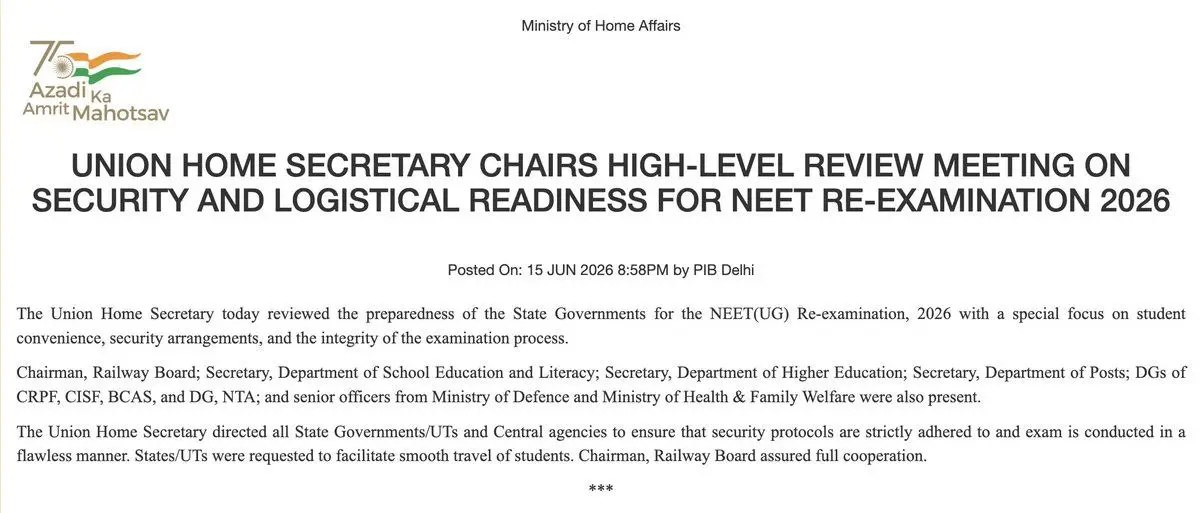
High-Stakes Health Check: Home Secretary Reviews N...
15 Jun 2026, 11:58 PMADVERTISEMENT

Top Stories
Kikkoman Plans First India Soy Sauce Manufacturing...
16 Jun 2026, 05:58 AM
The Street Food Superhero: Puchkaman Scales 150% a...
16 Jun 2026, 12:11 AM
The Silence Value: Luxury Travellers Shift to Soft...
16 Jun 2026, 12:08 AM