




Loading market data...
ADVERTISEMENT

Latest Top News
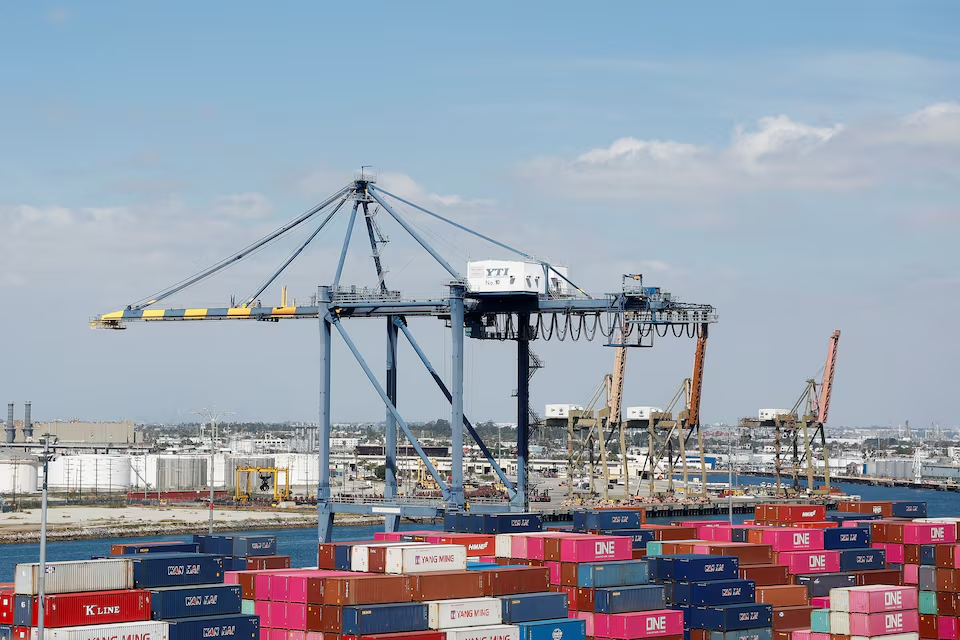
US Opens New Trade Probes To Reinforce Tariff Pressure
The United States has launched new unfair-trade investigations, signaling a revival of tariff pressure reminiscent of earlier trade strategies. The probes target industries where foreign competition is alleged to undermine domestic production, raising prospects of fresh duties, heightened global trade tensions, and renewed focus on protecting American jobs and industries.
Stay Ahead – Explore Now! SKF India Appoints Madhu Dhandhania Jalan to Lead Regional GCC and Finance
ADVERTISEMENT

Latest Updates
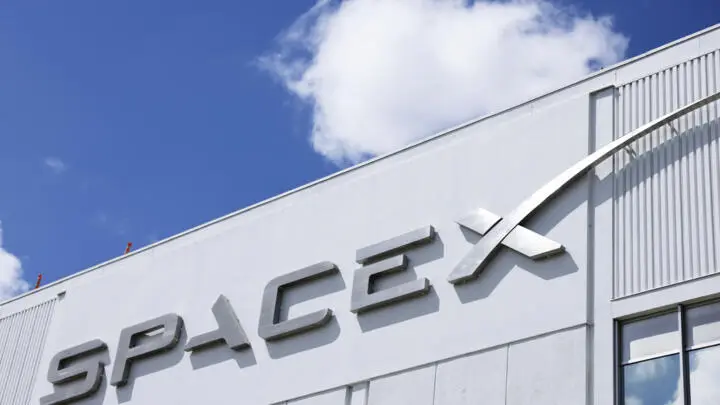
SpaceX Rally Extends After Record-Breaking Wall St...
16 Jun 2026, 06:08 AM
Spain vs Cabo Verde Match Result Ends in Historic...
16 Jun 2026, 06:01 AM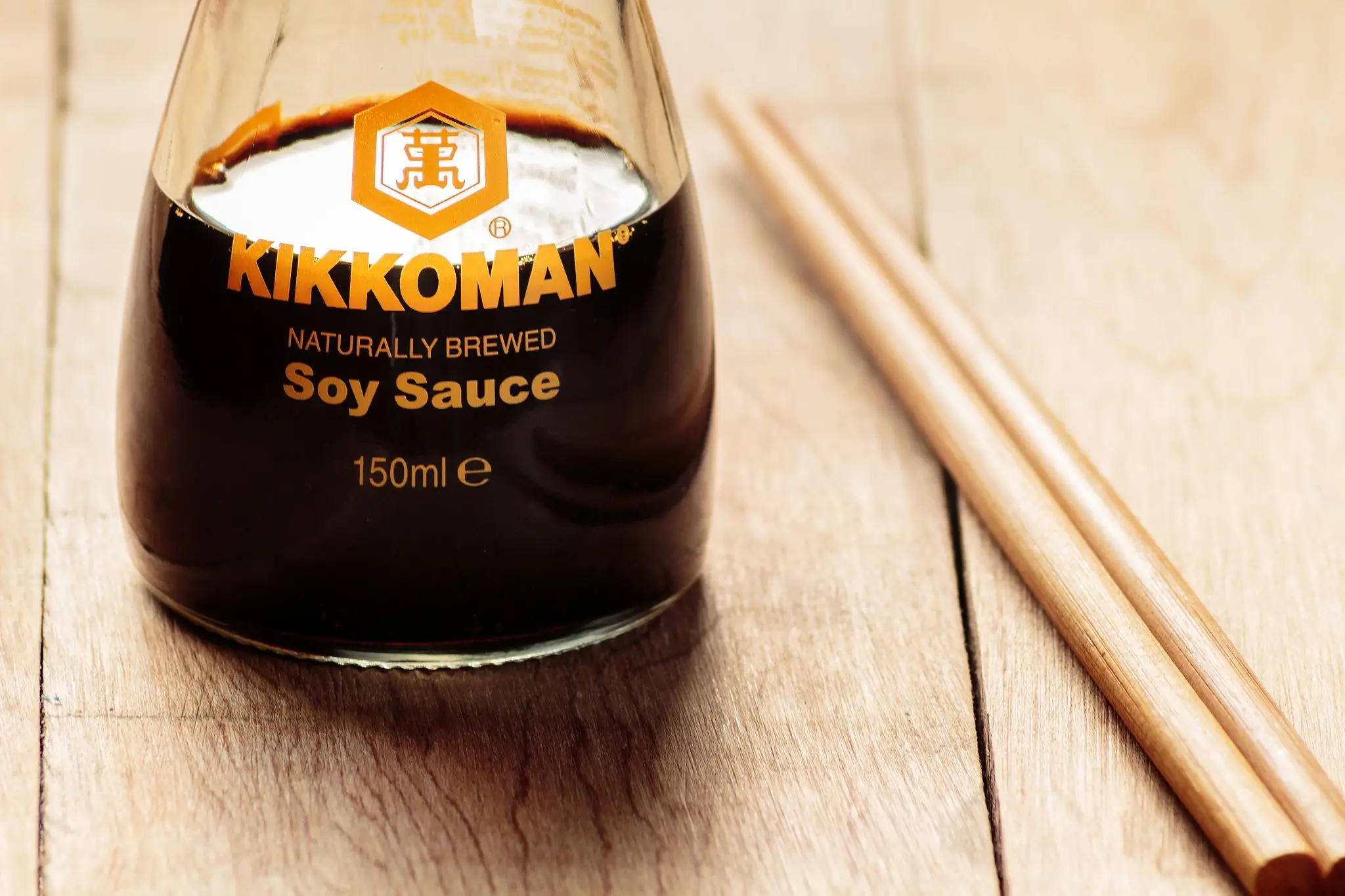
Kikkoman Plans First India Soy Sauce Manufacturing...
16 Jun 2026, 05:58 AM
The Street Food Superhero: Puchkaman Scales 150% a...
16 Jun 2026, 12:11 AM
The Silence Value: Luxury Travellers Shift to Soft...
16 Jun 2026, 12:08 AMADVERTISEMENT

Top Stories
SpaceX Rally Extends After Record-Breaking Wall St...
16 Jun 2026, 06:08 AM
Spain vs Cabo Verde Match Result Ends in Historic...
16 Jun 2026, 06:01 AM
Kikkoman Plans First India Soy Sauce Manufacturing...
16 Jun 2026, 05:58 AM