




Loading market data...
ADVERTISEMENT

Latest Top News
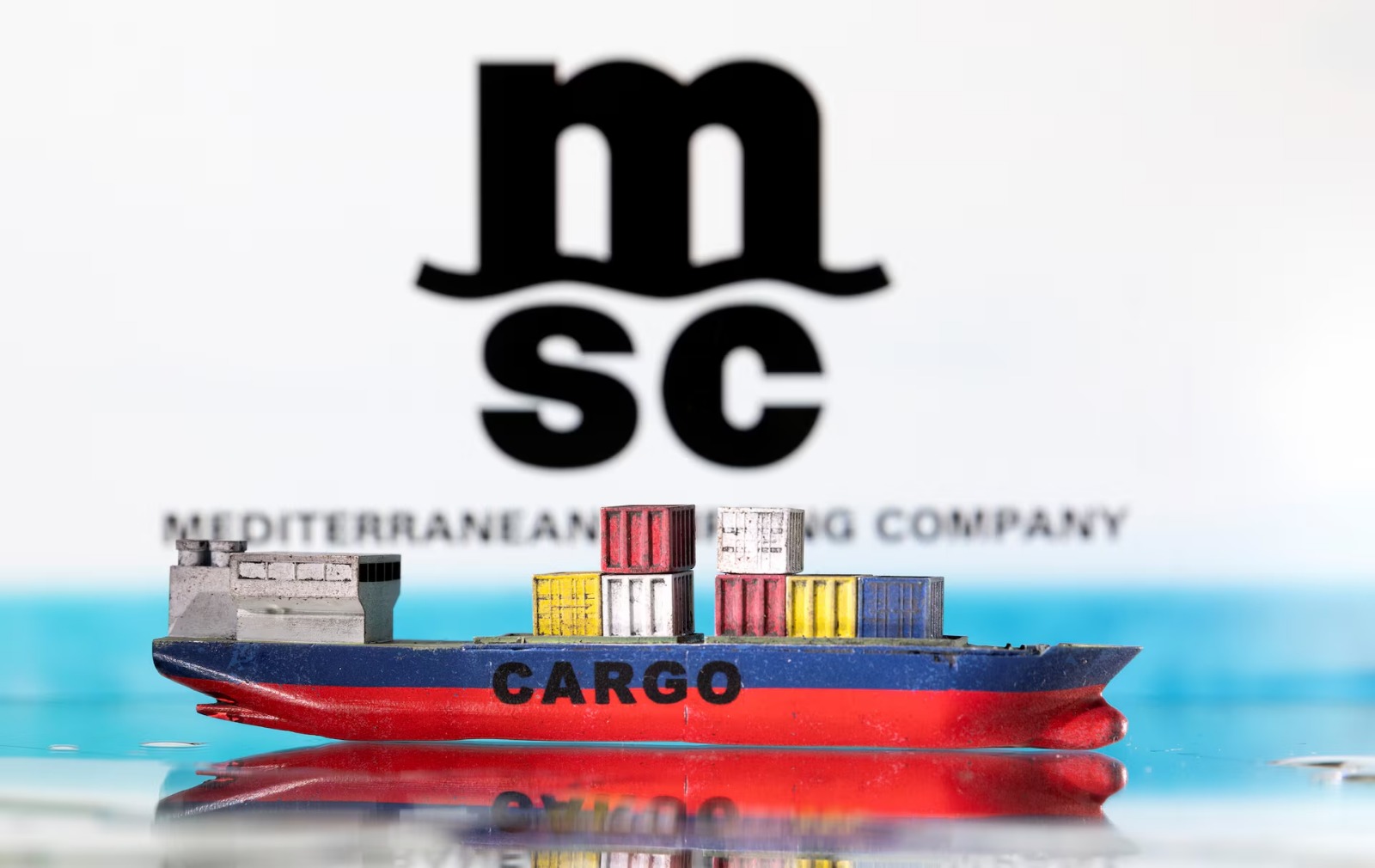
MSC Imposes Emergency Fuel Surcharge On Cargo Routes
Mediterranean Shipping Company (MSC) has announced an emergency fuel surcharge on all cargo shipments from Northern Europe and the Mediterranean to Australia and New Zealand. The surcharge is aimed at offsetting rising fuel costs, ensuring service continuity, and stabilizing operations amid global shipping market volatility.
Stay Ahead – Explore Now! US Senator Congratulates Modi on Record Elected PM Tenure
ADVERTISEMENT

Latest Updates

Mercedes-Benz India Steers Past Headwinds to Fuel...
15 Jun 2026, 11:45 PM
Sanon’s Andheri Asset Action: Family Bags ₹4.6 Cr...
15 Jun 2026, 11:42 PM
Banking on Trust: RBI Bans Coercive Bundling and A...
15 Jun 2026, 11:39 PM
AI Over the Hill: Gemini Picks Winner in Summer Tr...
15 Jun 2026, 11:36 PM
Track to Uttarakhand: Namo Bharat Expansion Nears...
15 Jun 2026, 10:18 PMADVERTISEMENT

Top Stories
Mercedes-Benz India Steers Past Headwinds to Fuel...
15 Jun 2026, 11:45 PM
Sanon’s Andheri Asset Action: Family Bags ₹4.6 Cr...
15 Jun 2026, 11:42 PM
Banking on Trust: RBI Bans Coercive Bundling and A...
15 Jun 2026, 11:39 PM