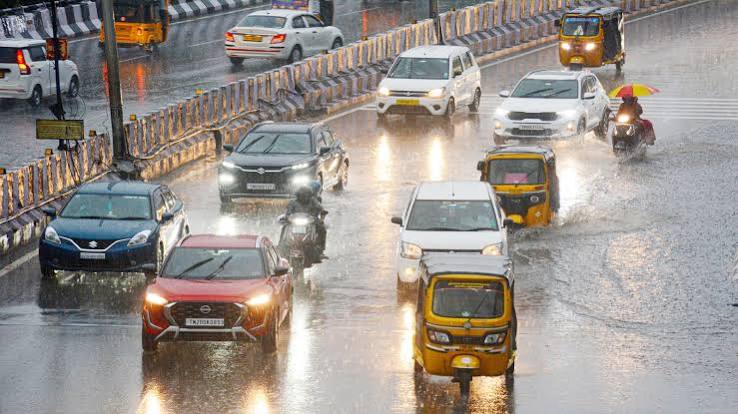
Weather bureau officials report that India's southwest monsoon is likely to retreat earlier than usual and deliver below-average rainfall in September, marking the weakest seasonal performance since 2009. The premature dry spell threatens to impact soil moisture levels and put pressure on maturing kharif crops nationwide. ETV Bharat
NEW DELHI — India's vital southwest monsoon season is heading toward an early wind-down, with weather bureau officials projecting below-average rainfall across the country for the month of September.
According to exclusive assessments from meteorological authorities released on Monday, August 24, 2026, extended-range models indicate that cumulative seasonal moisture levels could hit their lowest point since 2009. The anticipated dry spell and premature withdrawal threaten to compound agricultural stress following erratic precipitation patterns earlier in the season.
Early Withdrawal and Regional Rainfall Deficits
The southwest monsoon typically begins its formal retreat from northwestern parts of the country around mid-September before completely vacating the mainland by October. However, current atmospheric tracking and numerical models point to a significant weakening of rain-bearing systems after the first week of September.
Meteorological analysts attribute the subdued outlook to neutral Indian Ocean Dipole (IOD) conditions failing to counteract dry phase indicators.
According to official weather bureau updates and agricultural meteorological reports:
Early Retreat Timeline: Monsoon withdrawal is projected to initiate across extreme northwestern regions ahead of the historical schedule.
September Projections: Rainfall across the country is expected to remain markedly below normal, intensifying soil moisture deficits.
Historical Comparison: Cumulative performance indicators point to the weakest September weather patterns since 2009.
Impacted Sectors: Rain-fed agricultural belts, kharif crop maturation cycles, and regional reservoir storage face mounting pressure.
Official Sources Section
Quote Section
According to statements released by weather bureau officials regarding the shifting meteorological patterns:
"Extended-range models indicate a sharp reduction in rainfall across large parts of the country after the first week of September, pointing toward an early seasonal retreat and below-average cumulative precipitation levels not witnessed in nearly two decades."
Why It Matters
For farmers, rural agrarian economies, and food inflation planners, an abrupt cessation of monsoon rains during September is critical. Late-season precipitation is essential for filling grain and securing crop yields for kharif staples. A premature dry spell risks lowering groundwater tables and impacting winter sowing preparations across major agricultural states.
Key Facts at a Glance
Event: Early southwest monsoon retreat and below-average September rainfall.
Benchmark Comparison: Lowest projected performance levels since 2009.
Key Drivers: Weakened low-pressure formations and neutral Indian Ocean Dipole conditions.
Affected Timeline: Accelerated withdrawal window anticipated between mid and late September.
FAQ Section
Why is the Indian monsoon expected to retreat early?
Extended-range weather models show a rapid reduction in moisture content and the early establishment of suppressing atmospheric patterns across northwest India.
How will below-average September rainfall impact agriculture?
Kharif crops require critical moisture during their final maturation phase; a dry September can depress yields and strain rain-dependent farming regions.
When does the monsoon normally complete its withdrawal?
The southwest monsoon typically withdraws completely from the Indian mainland by mid-October.
Where can citizens track official daily weather updates?
Real-time meteorological maps and official bulletin releases are published directly through the India Meteorological Department Portal.
Source: India Meteorological Department, Ministry of Earth Sciences, PIB India, Reuters